Blueberries & Watermelon 101!
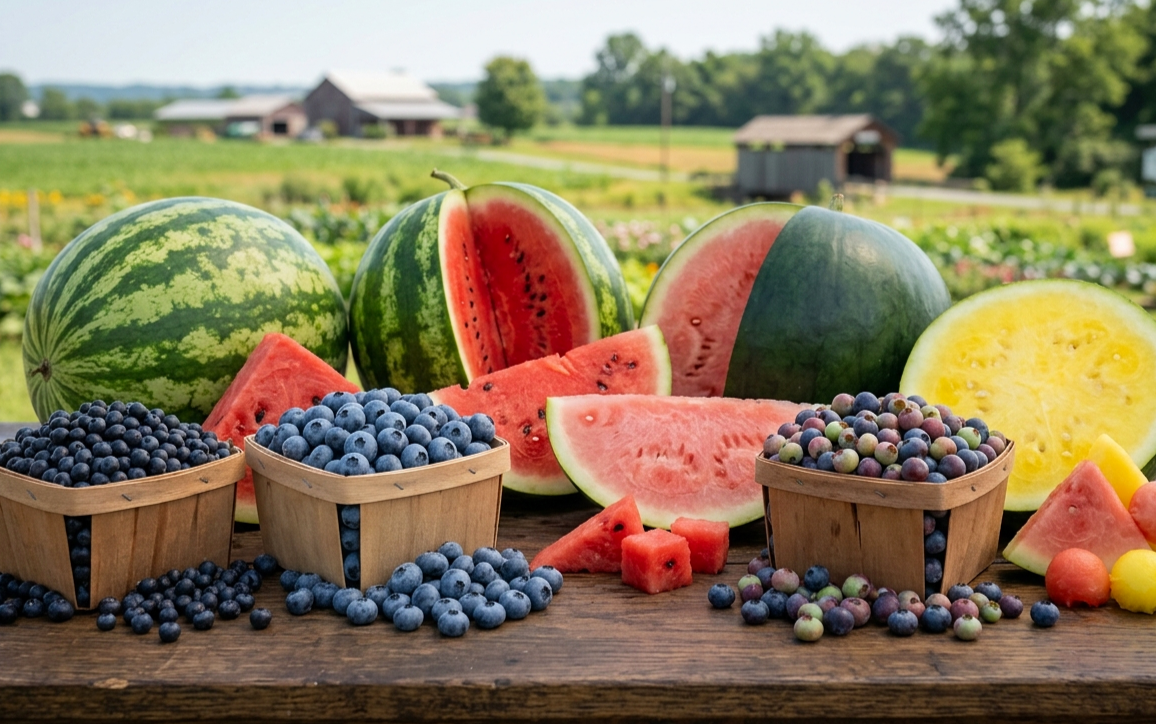
Blueberries and watermelon are two deeply loved fruits that blend exceptionally well together every July! While each fruit offers its own flavors and growing habits, July marks their peak harvest time. Understanding the differences along with preparation and storage methods between these refreshing summer fruits will help maximize freshness and flavor. Let’s dive in!
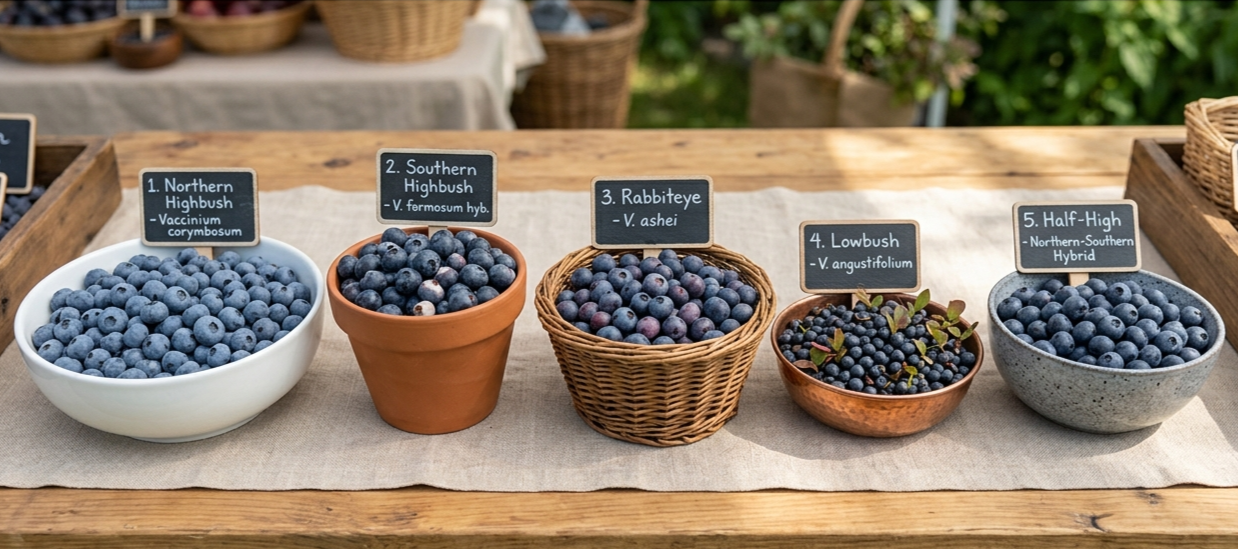
Blueberries are grouped into five main types, including Northern Highbush, Southern Highbush, Rabbiteye, Lowbush, and Half-High. Northern Higbush blueberries are the most widely cultivated variety in North America and produce the blueberries that are commonly found in grocery stores. Southern Highbush blueberries have adapted better to warmer climates and are common in fresh markets and gardens. Rabbiteye blueberries have become popular in the southern United States since they can tolerate hot climates. Lowbush blueberries are also referred to as wild blueberries and are known for their small size and concentrated flavor. Half-High varieties are a cross between Northern Highbush and Lowbush.
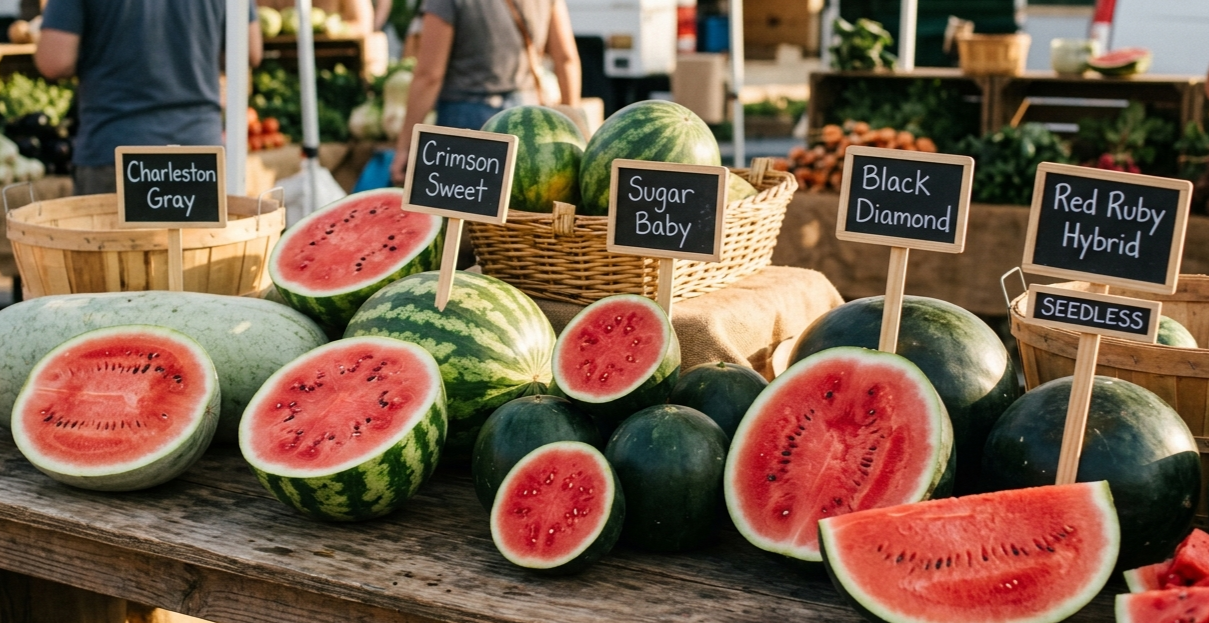
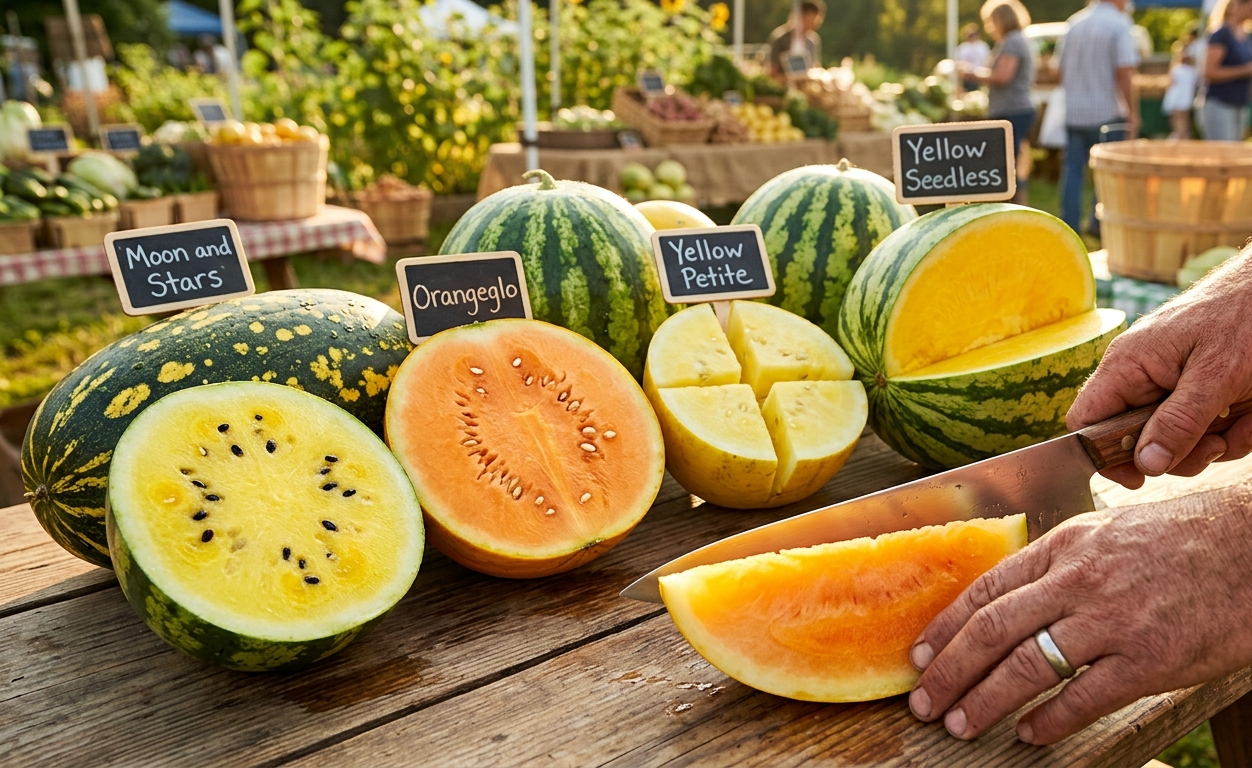
Watermelons are categorized by their size, seed type, and flesh color. The most recognized types include Picnic, Mini (Personal), Icebox, Seedless, Yellow-and-Orange-Fleshed, and Heirloom watermelon. Picnic watermelons are large traditional melons that are common in summer gatherings, with some specific varieties like Jubilee weighing upwards of forty-five pounds. Mini and Icebox watermelons are small in size and offer smaller portions that fit more easily in the refrigerator. Seedless watermelons dominate the produce market in many grocery stores since they allow for easy eating, can be stored easily, and have a relatively long shelf life. Yellow-and-Orange-Fleshed varieties are sweeter and can taste smoother and more tropical than red-fleshed melons. They are not as common in standard grocery stores, but can sometimes be found in local markets and specialty stores.
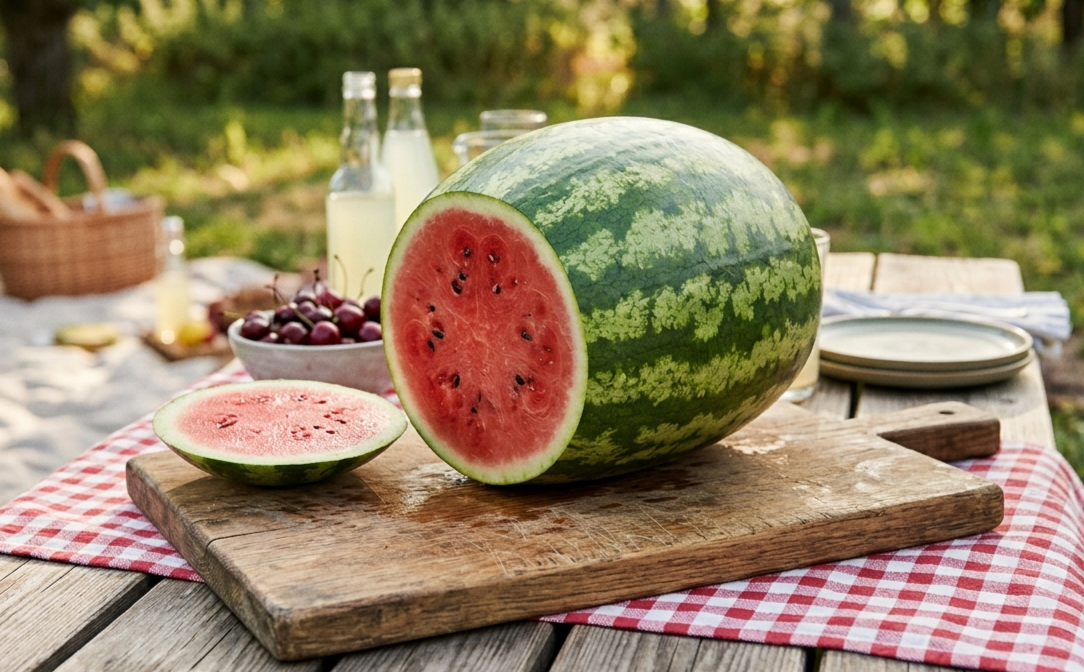
Cutting a watermelon can be intimidating when you are not sure where to start. Begin by rinsing the outer rind to prevent bacteria transferring into the flesh. Place the watermelon on a stable cutting board and use a sharp chef’s knife to cut a thin slice on both ends. Once cut, stand the melon on one of the ends and cut the melon in half vertically, from cut-end to cut-end. From there, it can be sliced into cubes, wedges, or sticks. When it comes to watermelon, larger pieces typically stay intact better than small cubes. Watermelon is often used in juicing because of its sweet taste and naturally high water content. To juice, place cut watermelon into a blender and blend until smooth. Strain through a sieve to remove pulp if preferred. Fresh juice is best consumed shortly after preparation since separation occurs over time. Storing watermelon properly helps maintain quality and taste. Whole watermelons can be kept at room temperature for several days. Once cut, it should be placed into an airtight container and refrigerated where it can generally be stored for up to five days.
Blueberries require less preparation than watermelon before eating. Since they are delicate, blueberries should be washed in a colander under cool running water so they will be clean without retaining excess moisture. If you have a reason to slice them, a sharp paring knife is a safe option to use in order to avoid the deep-blue pigments that can stain hands, clothes, and cutting surfaces. Blueberries should remain refrigerated in their original container or a similar, ventilated container that allows for airflow. If freezing the berries, spread a single layer over a baking sheet and place them into a freezer-safe bag or container.
Knowing how to properly prepare and store blueberries and watermelon can make all the difference when it comes to longevity. Next time you find yourself unsure of where to start, try some of these tips to make your produce stay fresh through the rest of summer!