Exploring July’s Iconic Fruits: Blueberries & Watermelon!
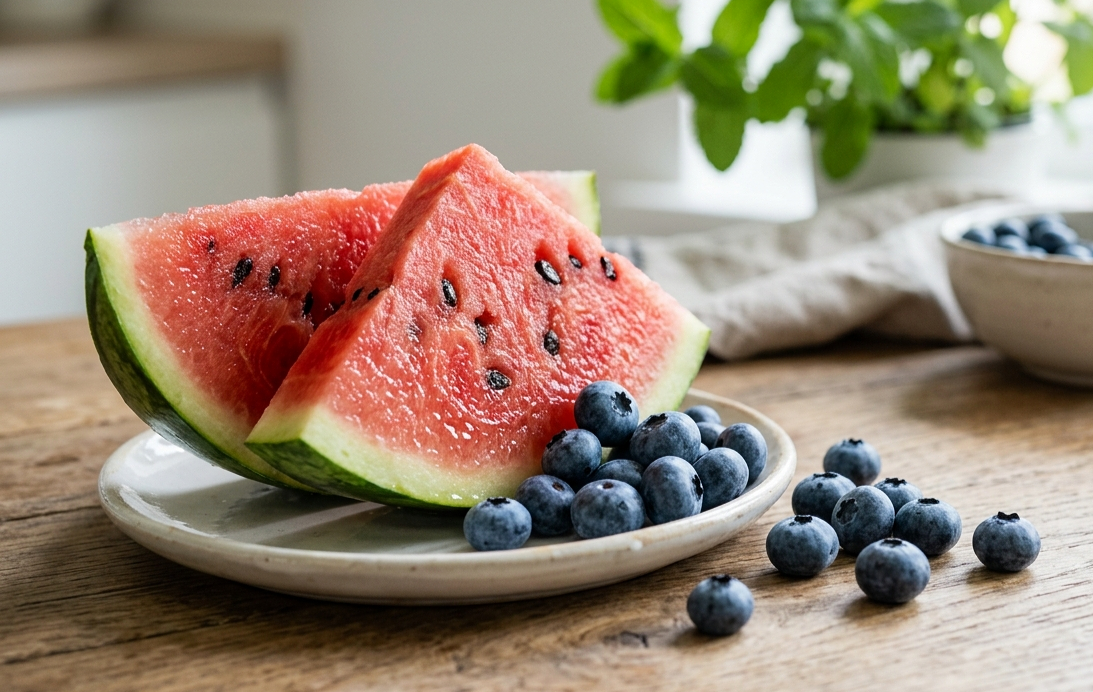
Blueberries and watermelon are here to take over summer! These two fruits are in their peak harvest across the United States, making them summer staples in grocery stores and farmers markets. Their high water content makes them the perfect refreshing treat on hot days!
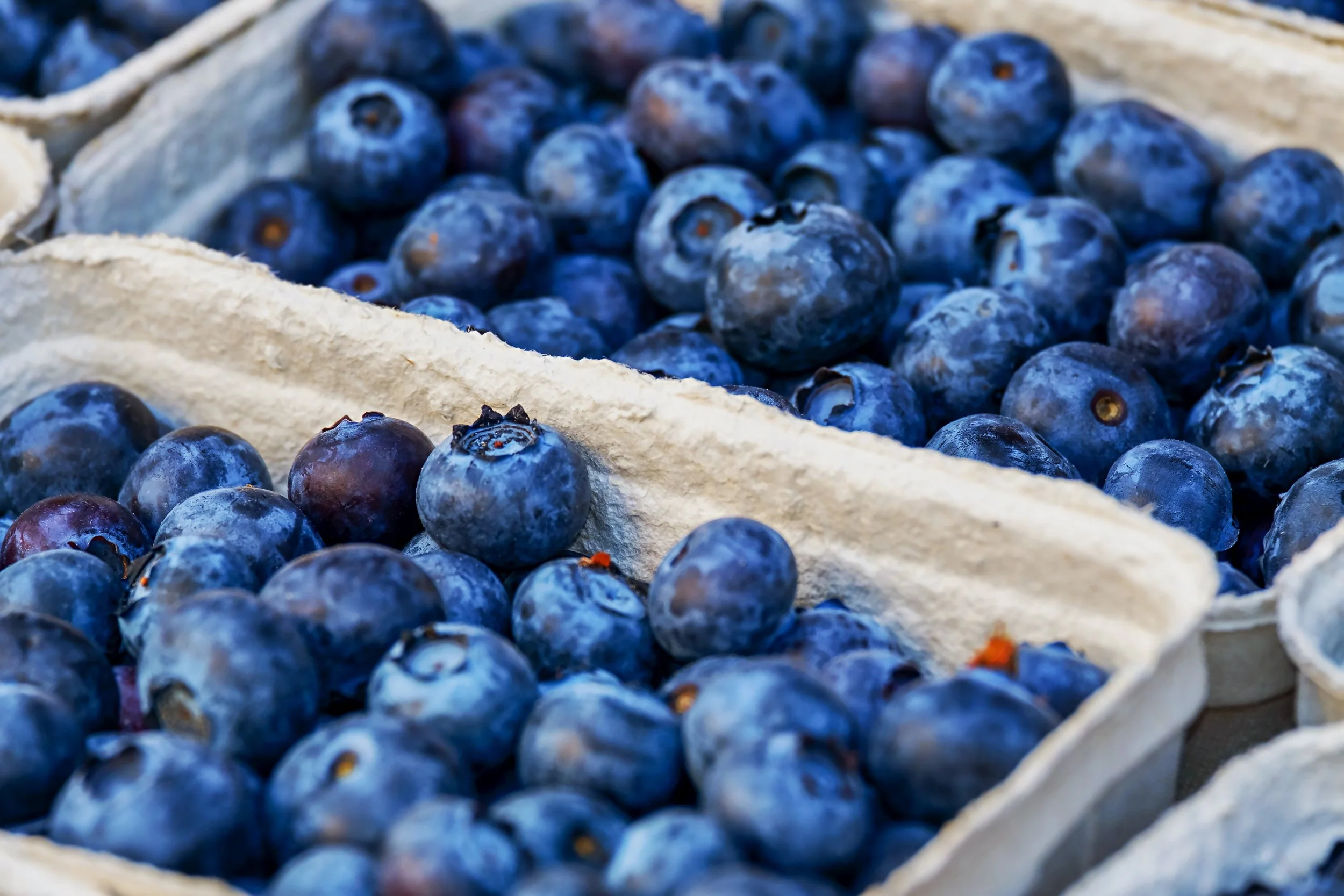
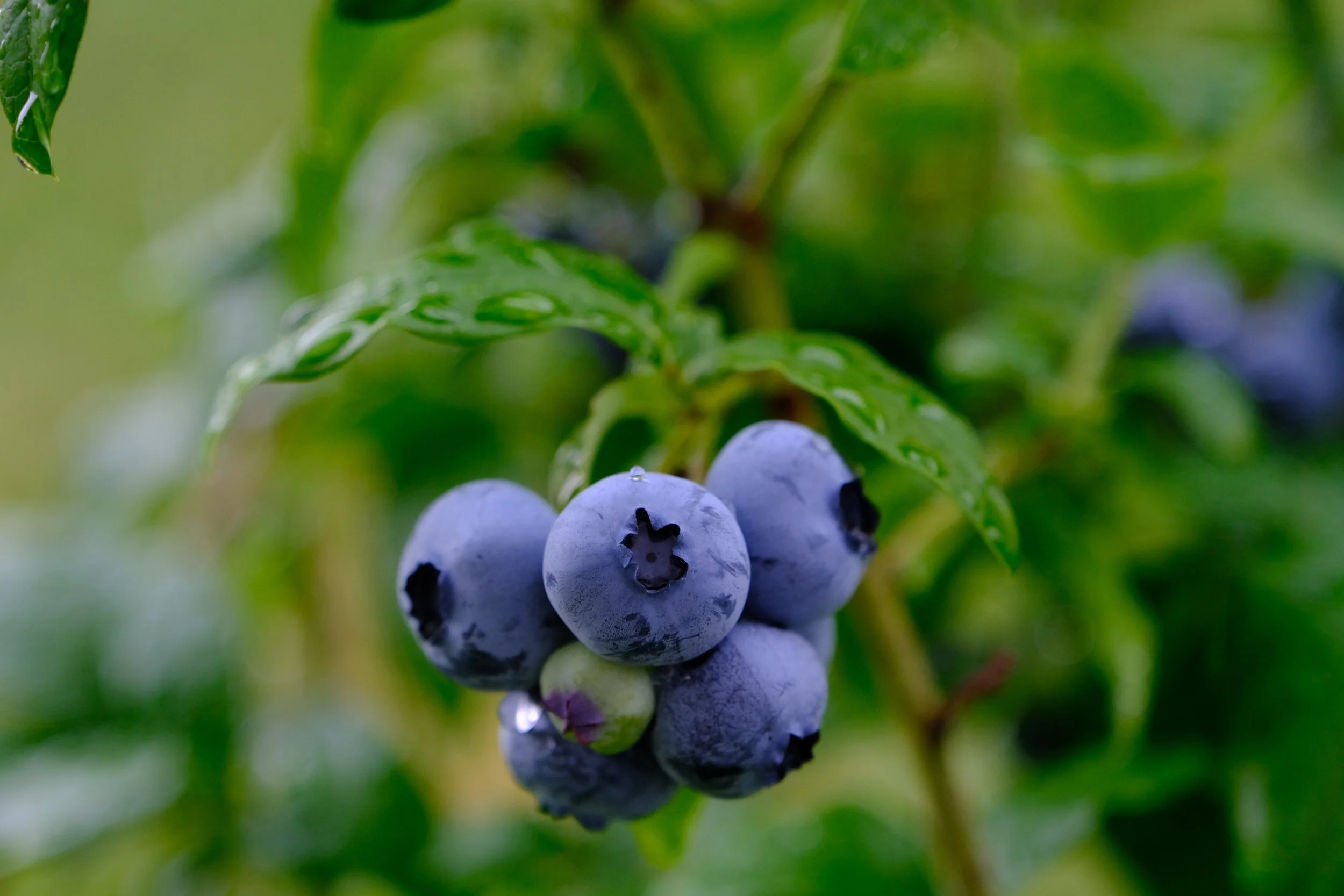
While they may seem like a questionable pair, blueberries and watermelon share similar qualities. Both fruits are rich in nutrients, thrive in warm weather, and rely on pollinators to produce fruit. Blueberries are rich in fiber and anthocyanins, which act as antioxidants and give them such a vibrant natural color. They should only be picked after they have developed their deep blue color to ensure full sweetness since they do not continue to ripen once they have been picked. Blueberries require full sunlight and grow on perennial shrubs that produce fruit for several years when maintained correctly. Their dusty white coating, known as the bloom, is a natural protective layer to help prevent moisture loss and disease. Bees play an essential role as pollinators for blueberry and watermelon flowers, but can only do so in specific conditions. Blueberries thrive in strongly acidic soil, while watermelons prefer slightly acidic soil. The blueberry varieties grown in North America include Northern Highbush, Southern Highbush, Lowbush, Rabbiteye, and Half-High.
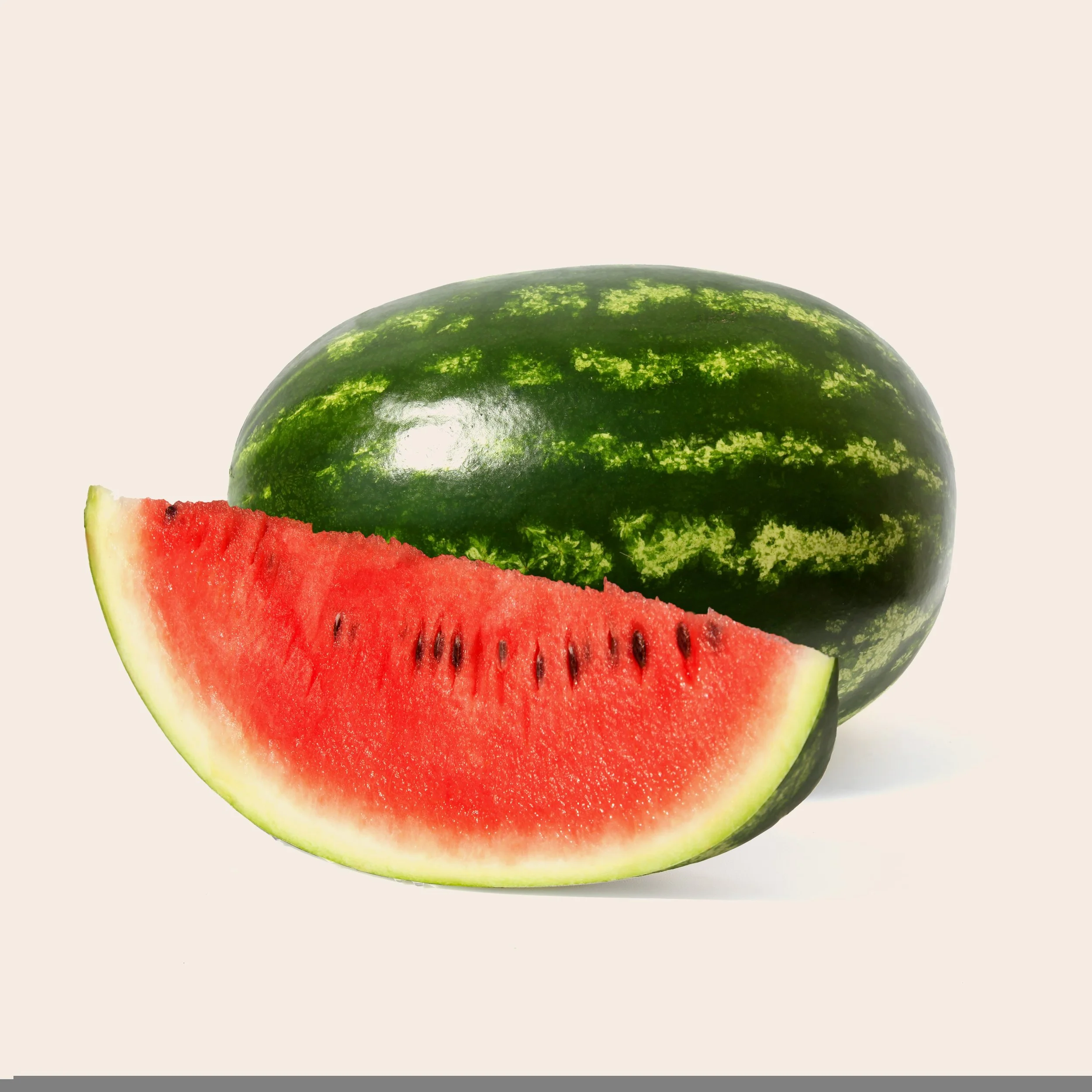
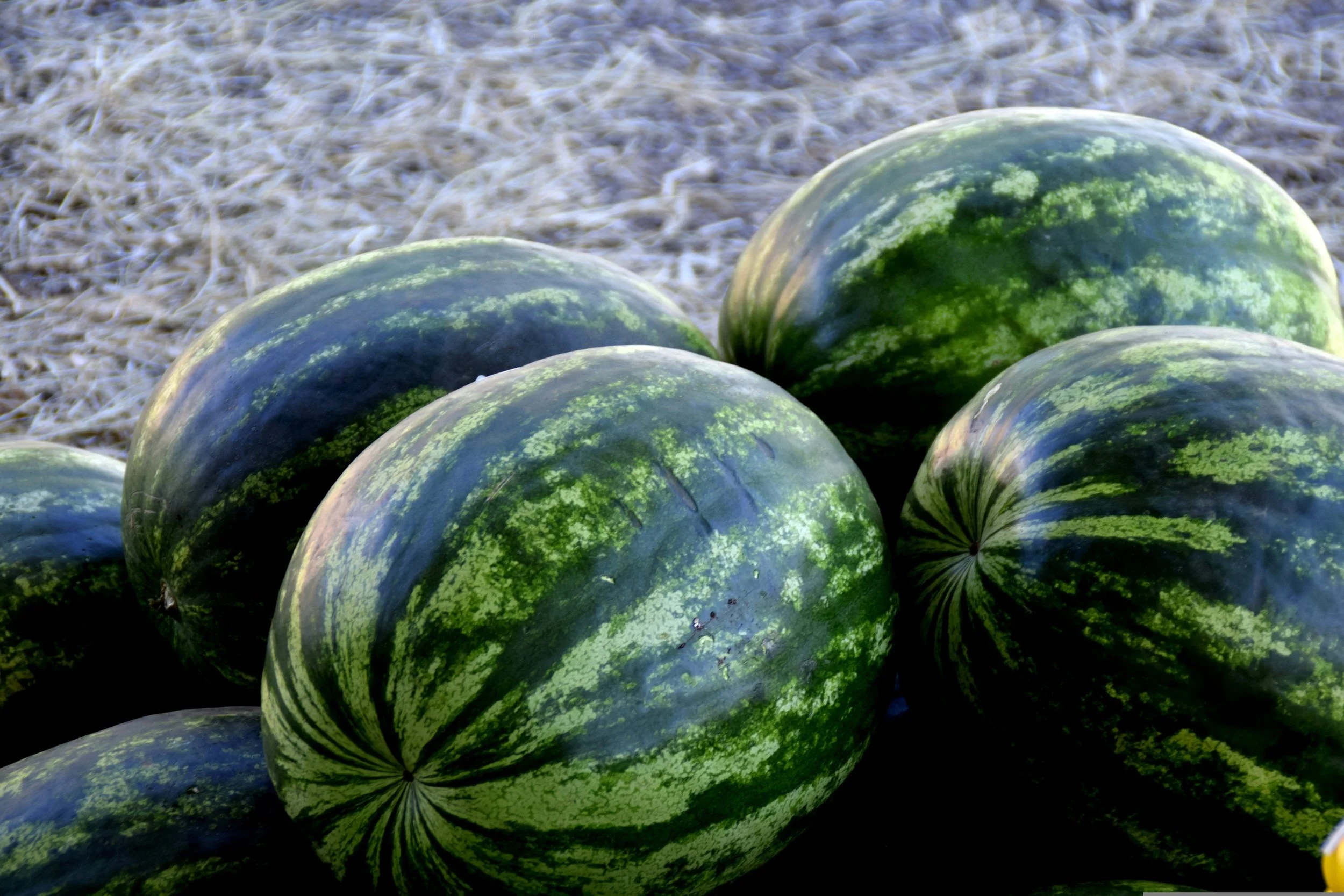
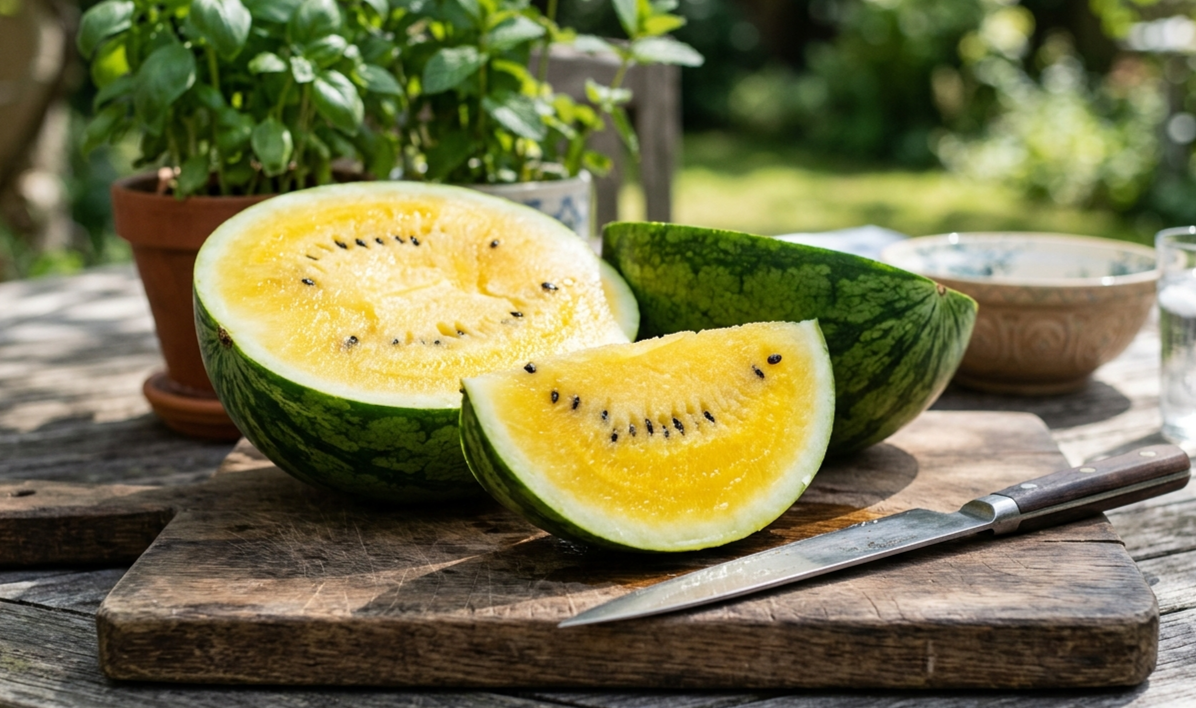
Watermelons grow on spacious, annual vines and require abundant sunlight. They are botanically classified as a berry known as a pepo, which is categorized by its thick rind and fleshy inside filled with seeds. Watermelons typically require between 70 and 100 days to mature after planting. Once they are picked, they do not become sweeter or continue to ripen. They contain high amounts of lycopene, which also act as antioxidants and give them a bright red color. Although the entire part of a watermelon is edible, their taste changes dramatically and can differ across varieties. Watermelons are grouped into categories based on their seed type, size, and color. These include Seeded (Classic), Seedless, Picnic, Icebox, Mini or Personal, Heirloom, and Yellow and Orange. Picnic watermelons are large in size weighing between 15 and 30 pounds, in contrast to Icebox, which weigh between 5 and 15 pounds and Personal, weighing between 3 and 8 pounds. Popular watermelon varieties include Crimson Sweet, Sugar Baby, Moon and Stars, Jubilee, Charleston Gray, and Yellow Baby.
Blueberries and watermelon can be enjoyed in sweet and savory dishes. Blueberries are typically eaten fresh, baked into desserts, and used in jams or preservatives. They make excellent additions to oatmeal, smoothies, and yogurt. Watermelon is most commonly eaten fresh, used in juicing, or frozen into tasty desserts. It also is used to add sweetness to savory dishes, pairing well with herbs like mint and basil, citrus fruits, and feta cheese. Both blueberries and watermelon make beautiful additions to salads and can be incorporated in several more dishes.
These vibrant fruits add a refreshing taste to summer. Whether enjoyed fresh or incorporated into recipes, don’t hesitate to add blueberries and watermelon to your summer staples!
What’s Offered at Ed’s Produce?
Blueberries – Case 12/Pint, also available in Half Case and Quarter Case options ***Local New Jersey Blueberries are in season***
Watermelon – Red and Yellow Seedless, available by piece or in bulk bins for retail options