March Is National Celery Month!
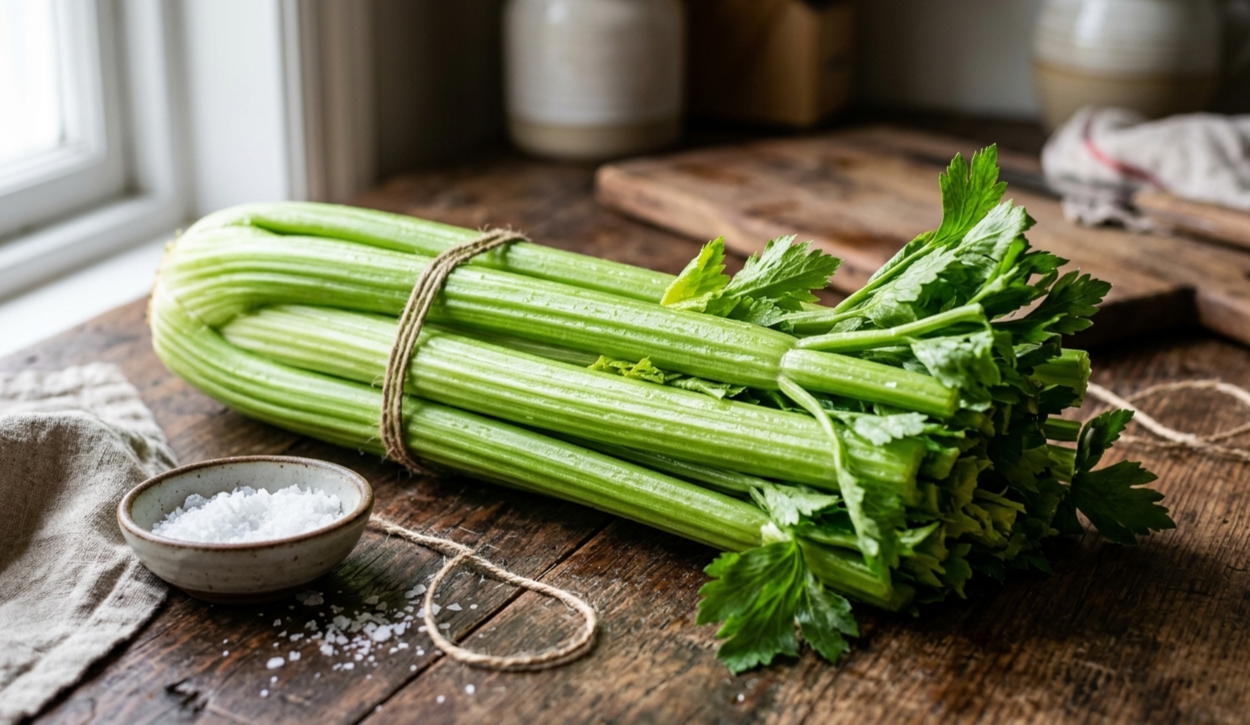
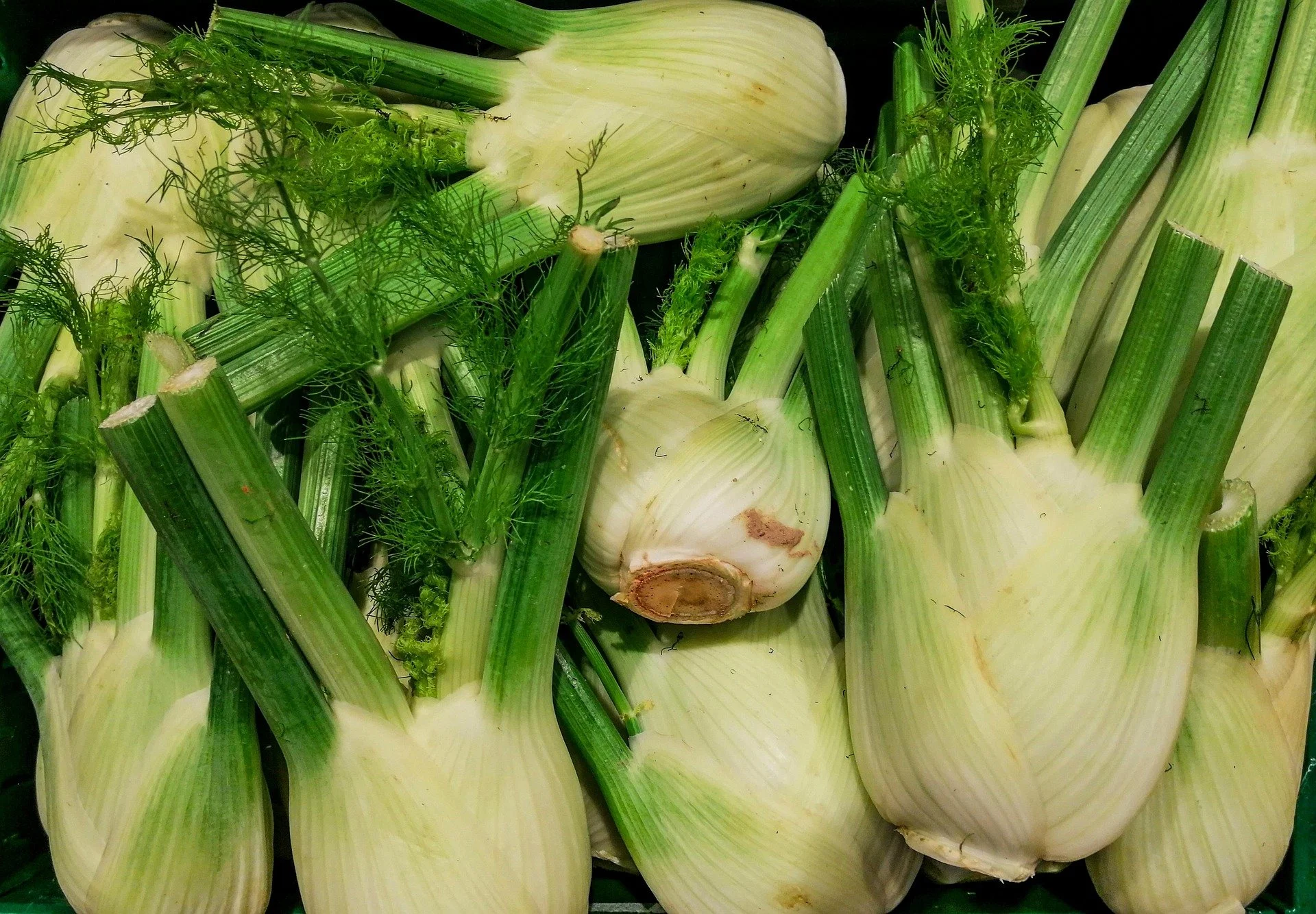
Celery is a marshland vegetable known for its crisp stalks and distinct flavor. It belongs to the Apiaceae family and is related to carrots, parsley, fennel, and dill. Celery is a biennial plant, which means it completes its life cycle over a two year period. During the first year, the plant produces edible stalks and leaves, while during the second year, it produces flowers and seeds. Celery is categorized by its long ribbed stalks, feather-like leaves, and small white flowers that appear in umbrella-like clusters.
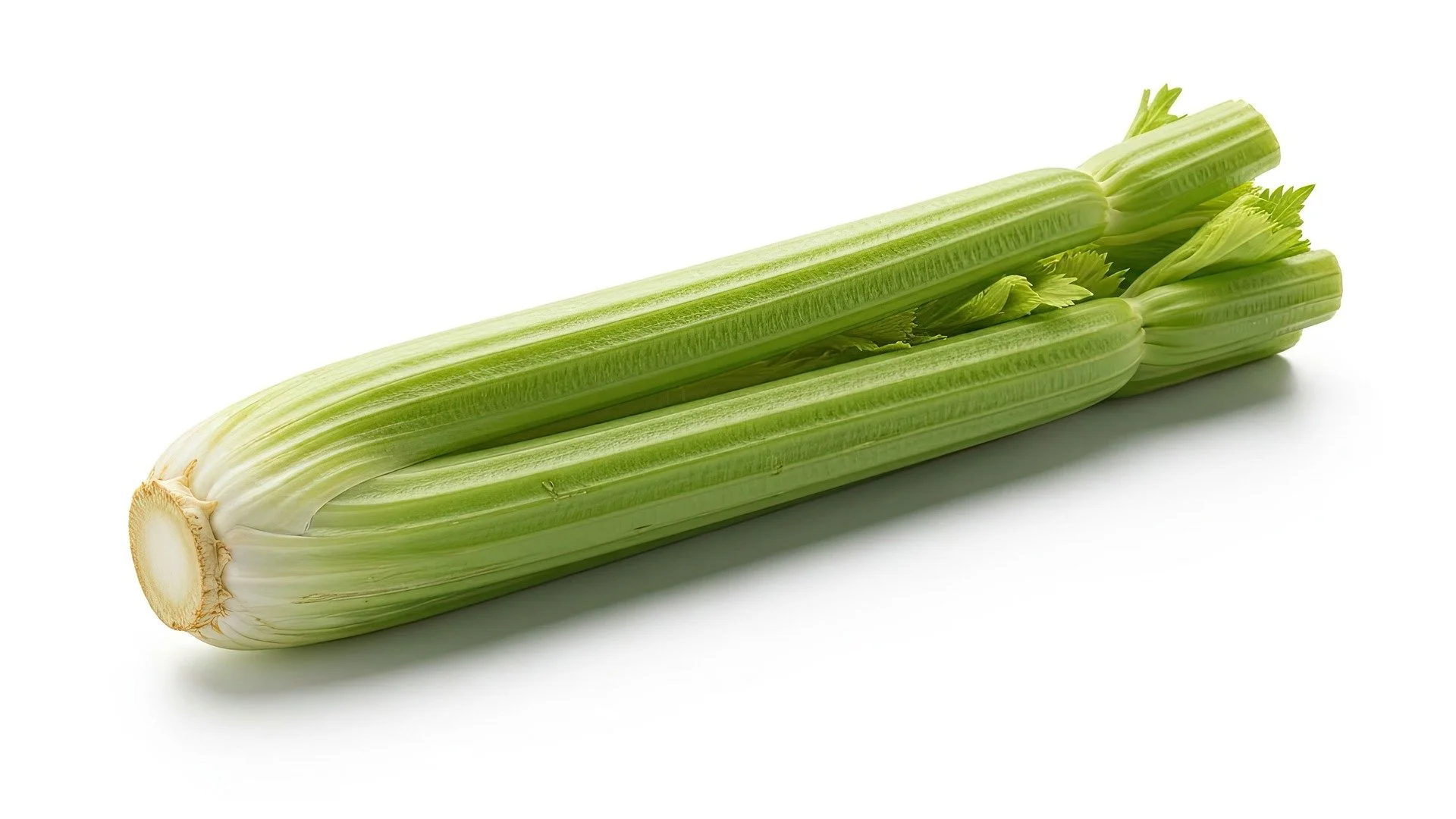
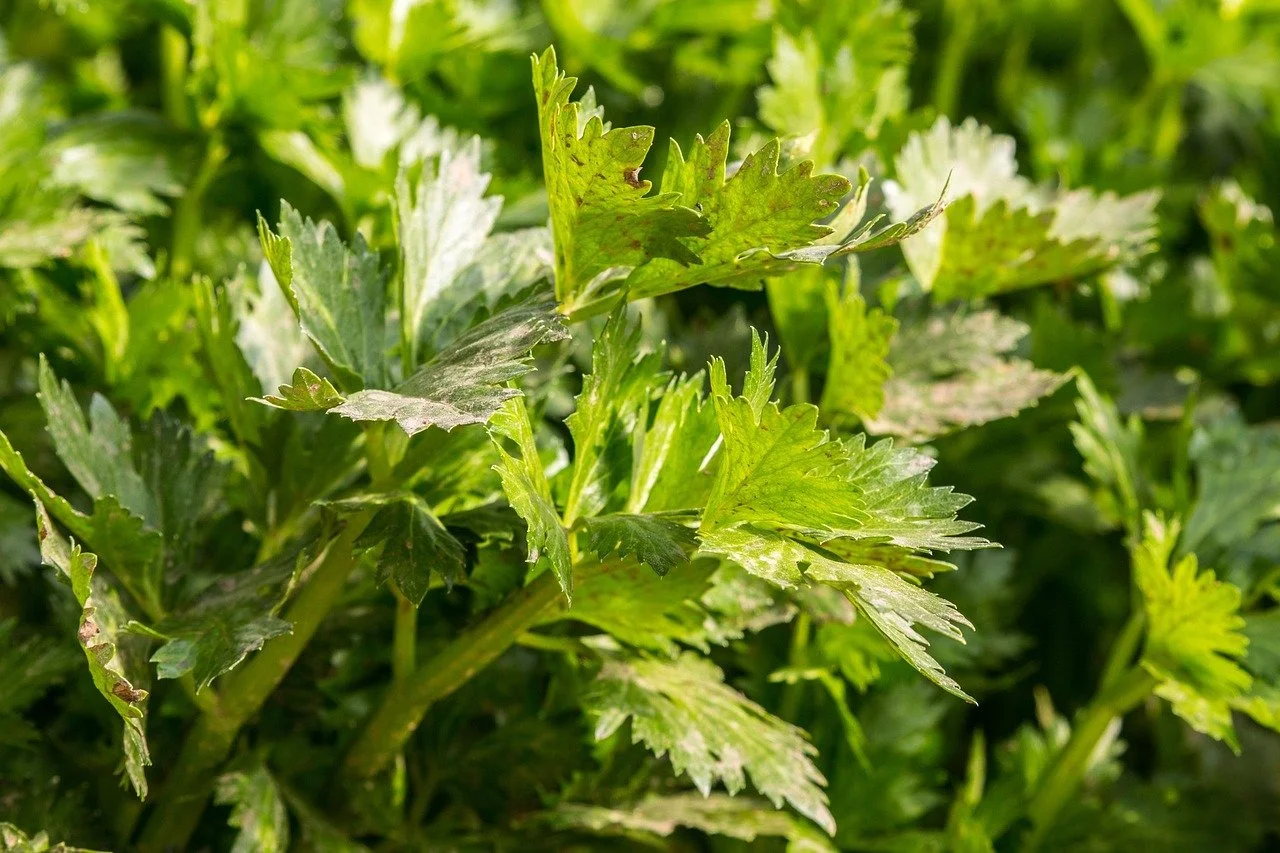
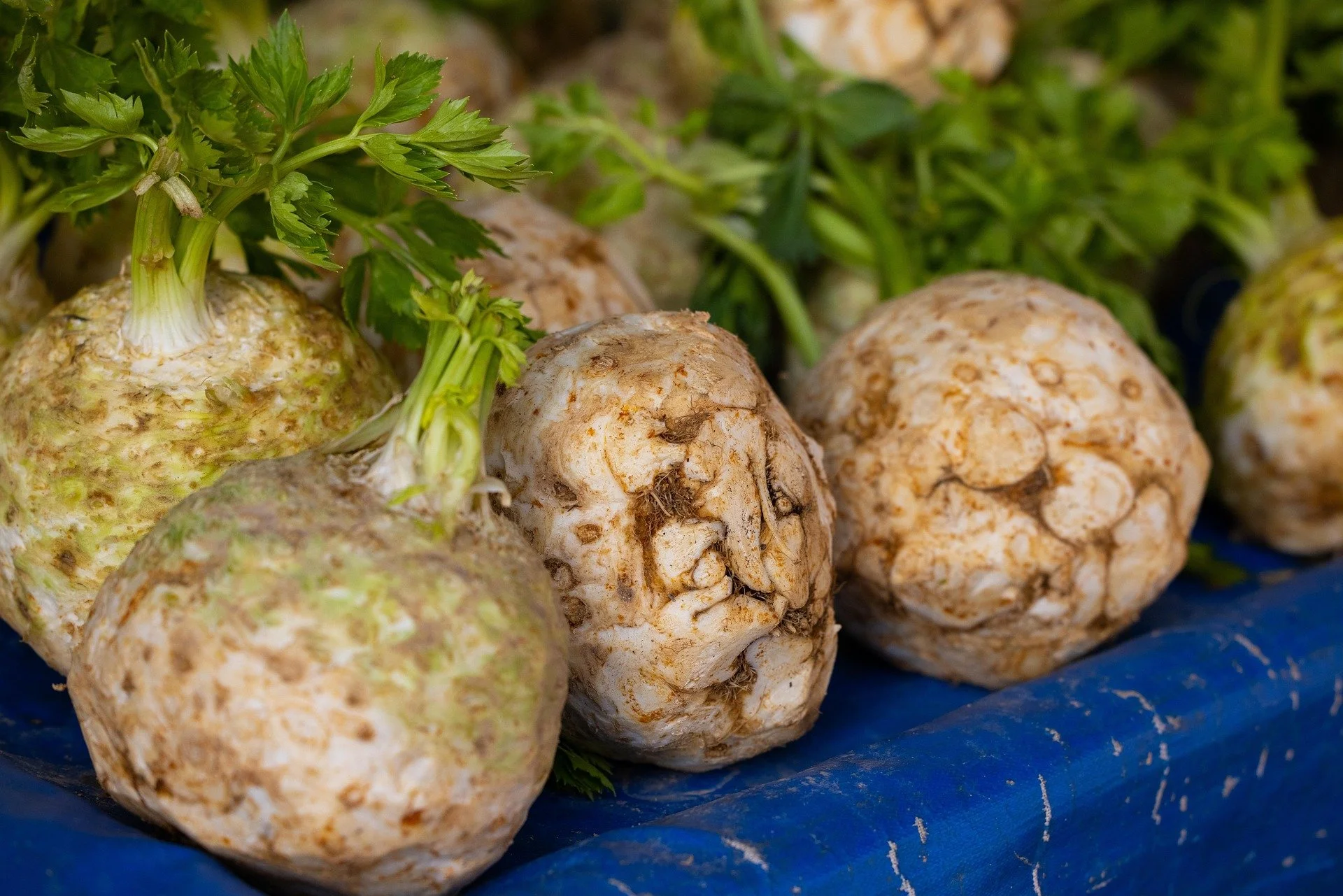
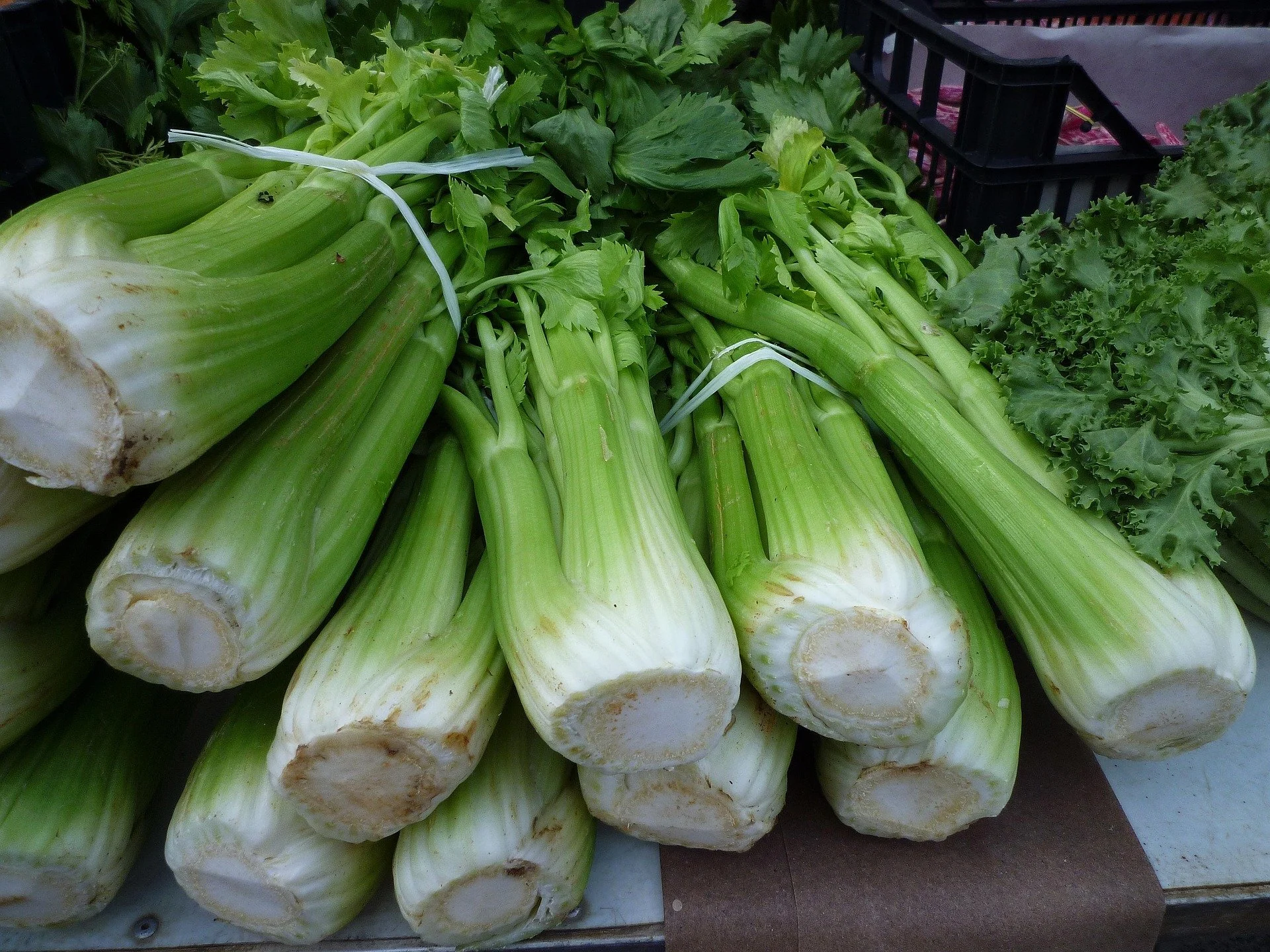
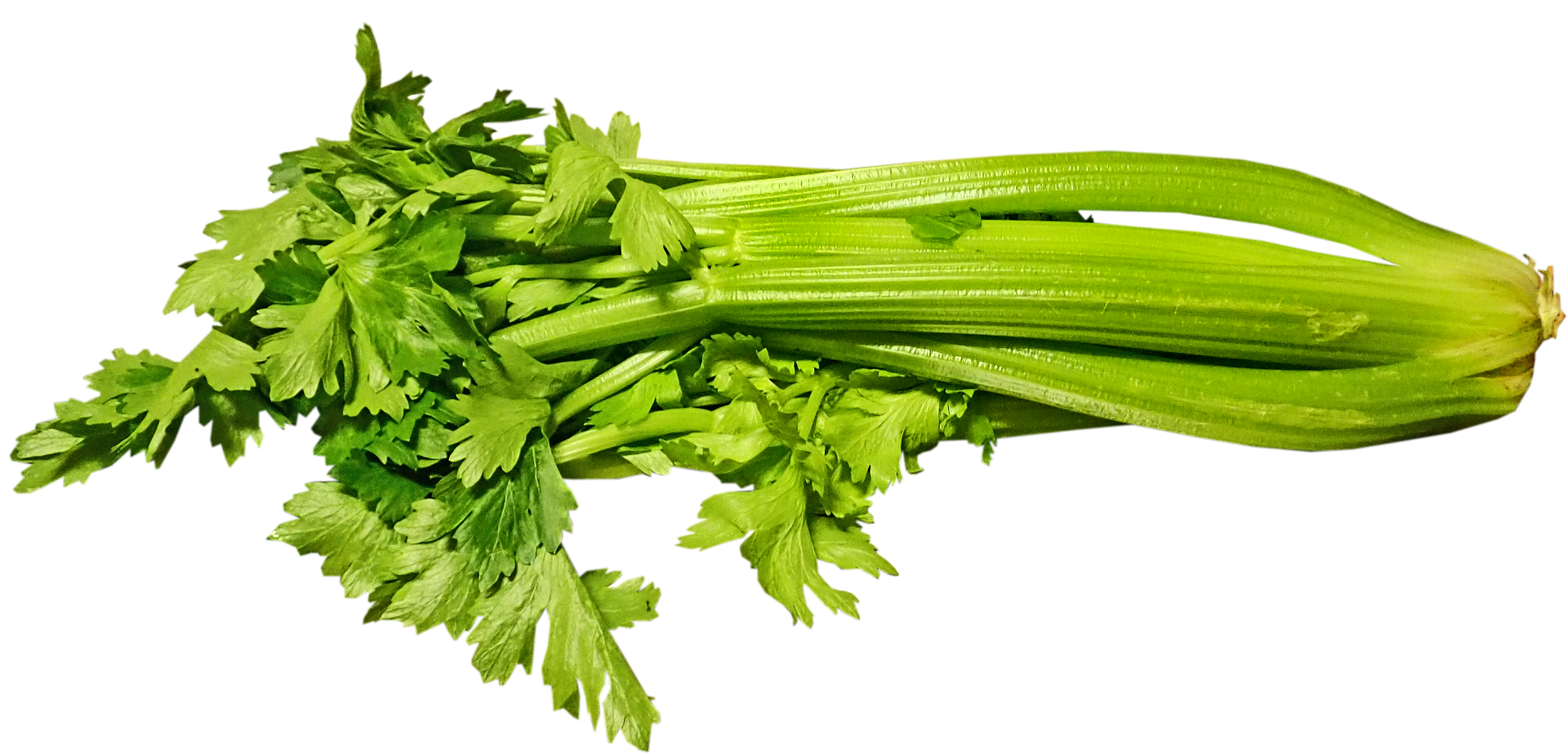
Celery is typically divided into three categories, including stalk, leaf, and celeriac. Stalk celery, also known as Pascal celery, is the most familiar variety and the standard that is sold in grocery stores. It is often eaten raw, such as in salads, cooked in stews, or used in vegetable bases like mirepoix. Some sub-varieties of stalk celery include Tall Utah, Golden Pascal, Red celery, and Golden Self-Blanching. Golden Self-Blanching naturally produces pale yellow stalks and Red celery has a reddish-purple color and strong flavor. Leaf celery, sometimes referred to as Chinese celery, is another common variety that is known for its aromatic leaves. The flavor is stronger and more herbal tasting compared to stalk, so it is often used in Mediterranean and Asian cuisines. It can be eaten raw, but because of its distinct flavor, it is usually chopped and worked into soups, broths, and stir-fries. Celeriac is a third variety that is the celery root, known for its swollen root rather than stems. It has a firm texture and earthy taste, often used in salads or cooked in soups and roasted vegetable dishes.
Celery is a cool-season crop that prefers mild temperatures and rich, fertile soil to allow for its shallow roots and high water needs. It contains mostly water and is an excellent source of vitamins A, C, K, as well as fiber and potassium. One traditional growing technique used for celery is blanching. Blanching refers to a method of growing that limits sunlight on parts of the stalks to slow the production of chlorophyll. This results in paler-colored stalks that are not as bitter. Today, many celery varieties are self-blanching and naturally lighter.
Since every part of the plant can be used in culinary, celery remains one of the most versatile vegetables still grown today. Whether eaten fresh as a snack or cooked into savory dishes, we can appreciate and recognize the significance of celery this month!