Get Your Garden Ready for Spring!
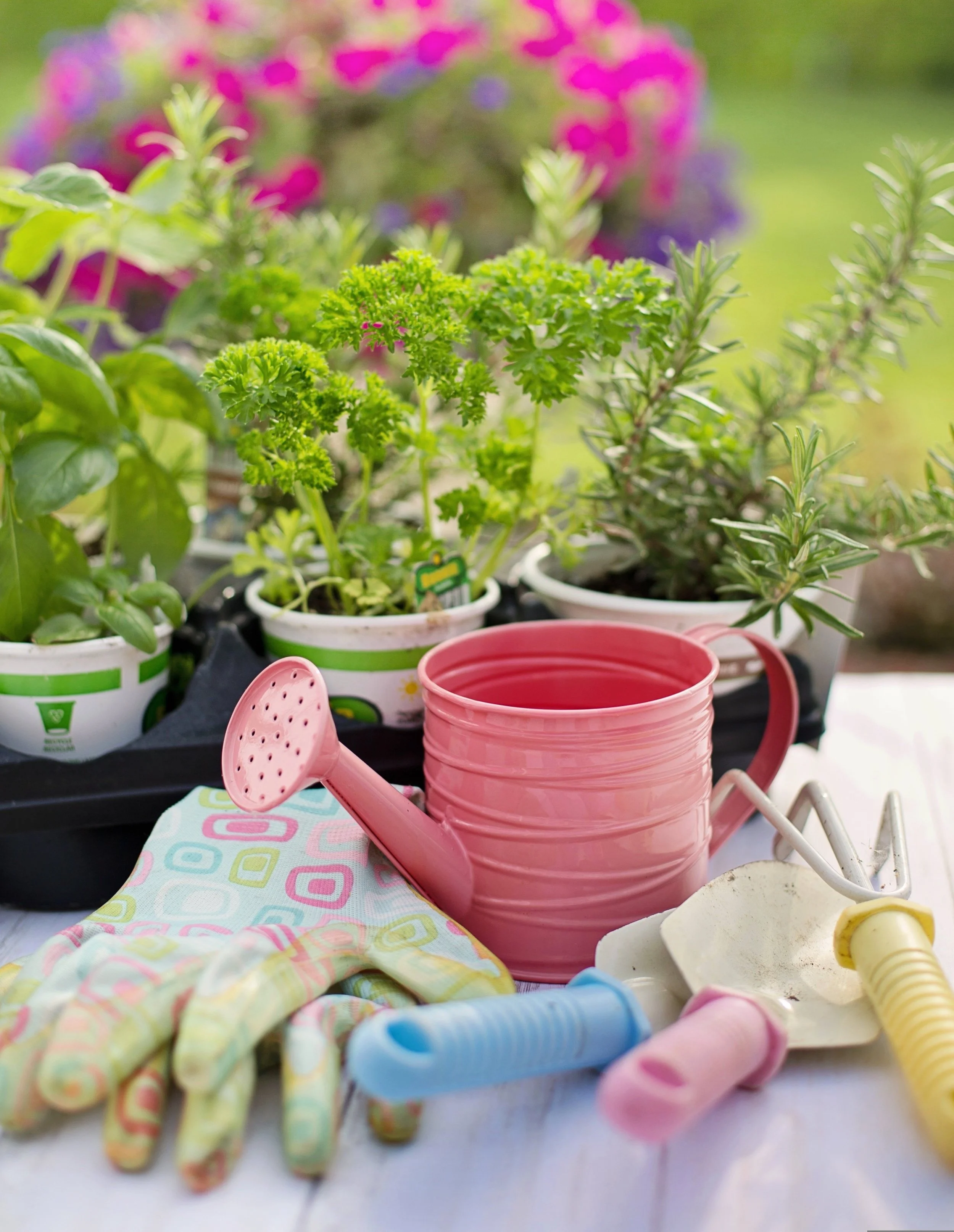
As winter fades and temperatures are becoming warmer, March is the perfect time to get a headstart on your garden prep! Thriving gardens often begin indoors and weeks before anything is planted outside. Gardeners use this time to prepare the outdoor soil and start some crops inside, which allows for the seedlings to develop strong roots before exposure to outdoor conditions.
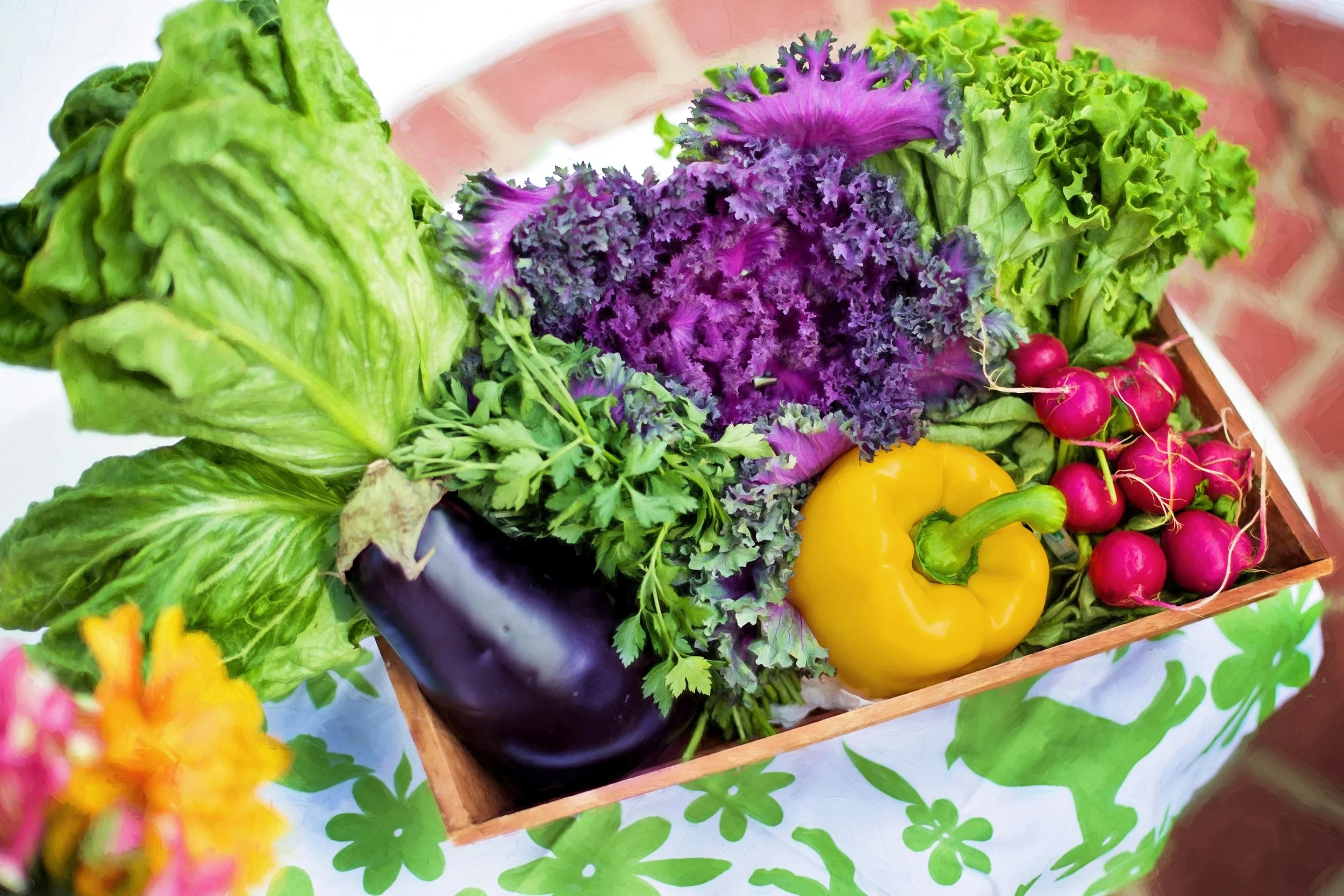
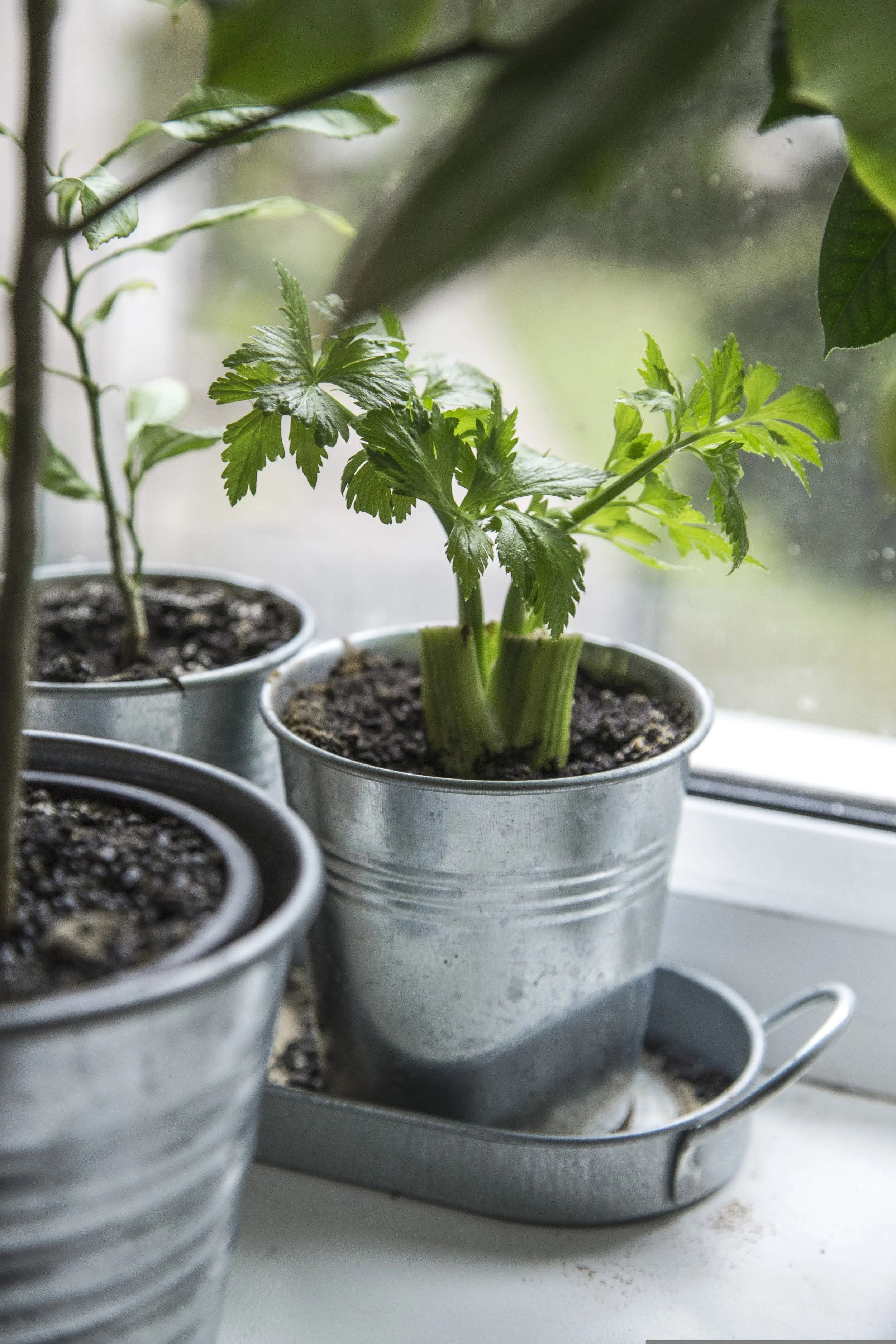
Starting seeds indoors is an effective way to produce a thriving garden. Since many vegetables and herbs grow slowly in their early stages, planting seeds roughly six to eight weeks before the last expected spring frost is ideal. Tomatoes are one of the most popular plants that are started inside because they grow slowly at first and require warm conditions. Peppers are another popular vegetable often started indoors with these conditions, generally requiring them to be started between eight to ten weeks before the final frost. Eggplant is similar to peppers as it is also a warm season crop that needs to be started eight to ten weeks prior to the last frost. These plants usually require temperatures between 75°F and 85°F. Cool-season crops like broccoli, cabbage, and cauliflower are often started closer to six weeks before the final frost. Many herbs, such as parsley, basil, thyme, sage, and oregano are commonly started indoors around six weeks before the final frost date. Some herbs, like basil, are extra sensitive to cold temperatures and should only be moved once the weather is warm. Seeds can be started in small pots, trays, or recycled containers that have holes for drainage. Although regular garden soil can be used, it is recommended to use a lightweight seed-starting mix to ensure the young seedlings are healthy in their early growth. It is also crucial that they are set up in an area with adequate light, so if sunlight seems to be an issue, gardeners will place grow lights positioned close to the seeds. The plants should grow in evenly moist soil with overall temperatures between 65°F and 75°F.
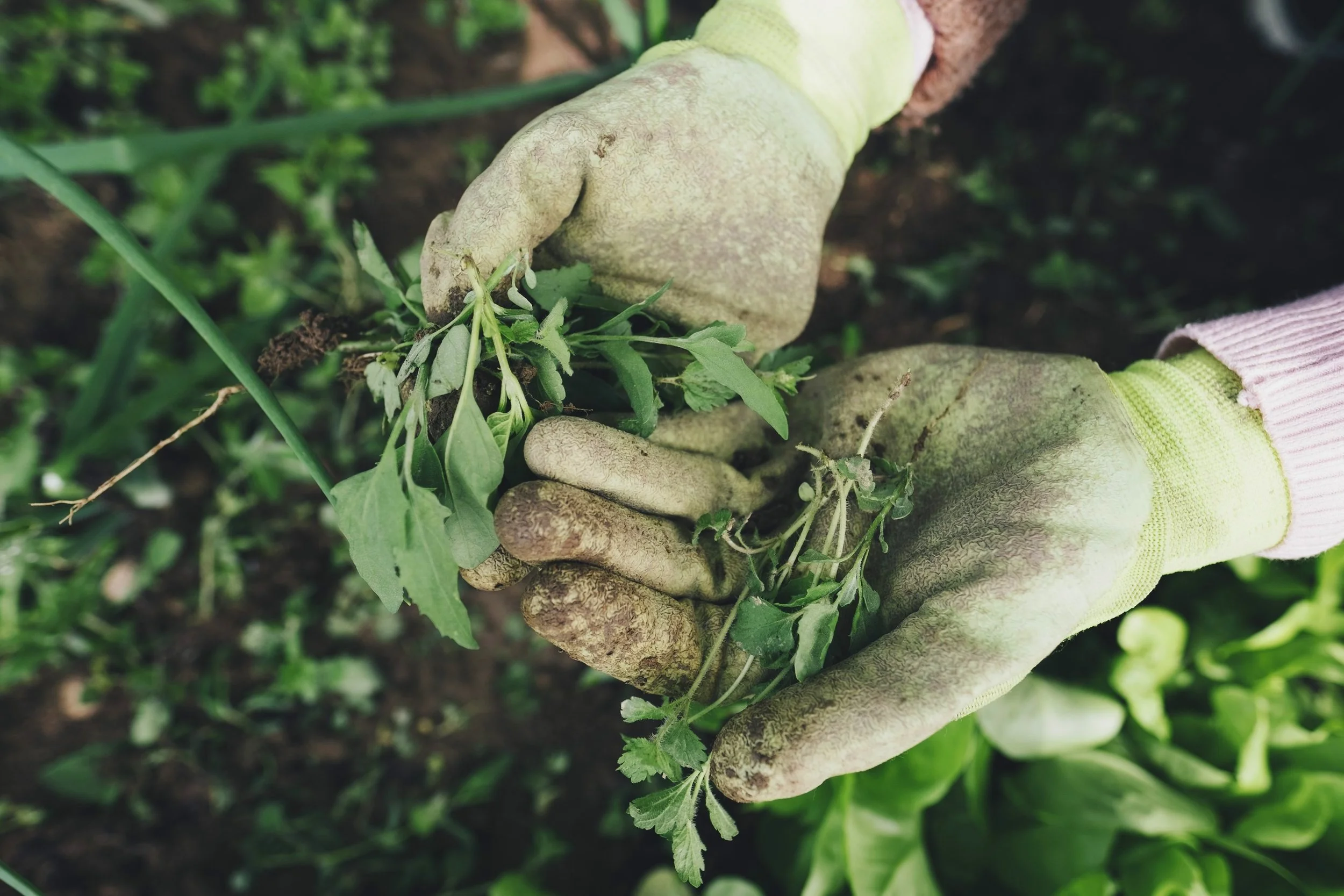
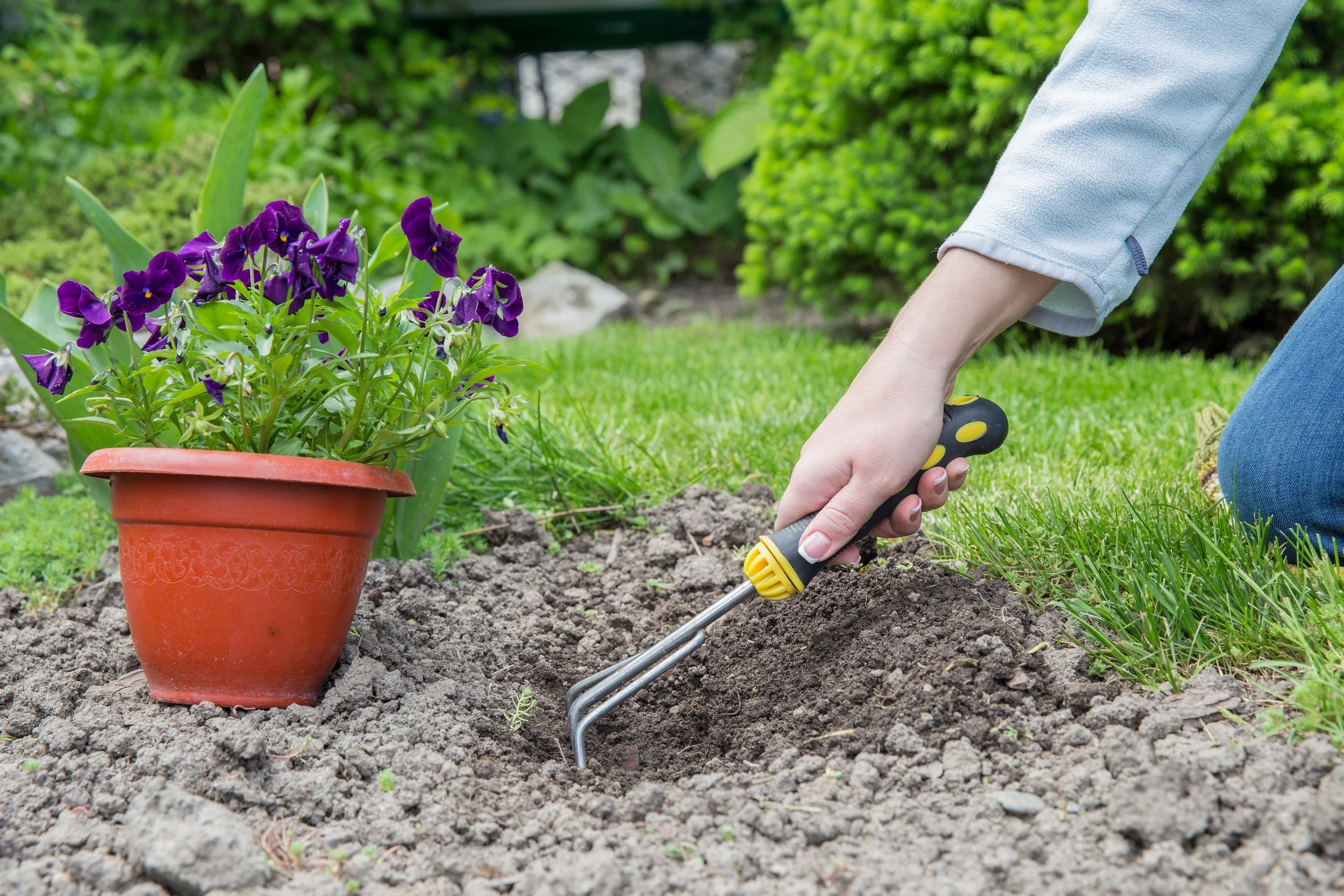
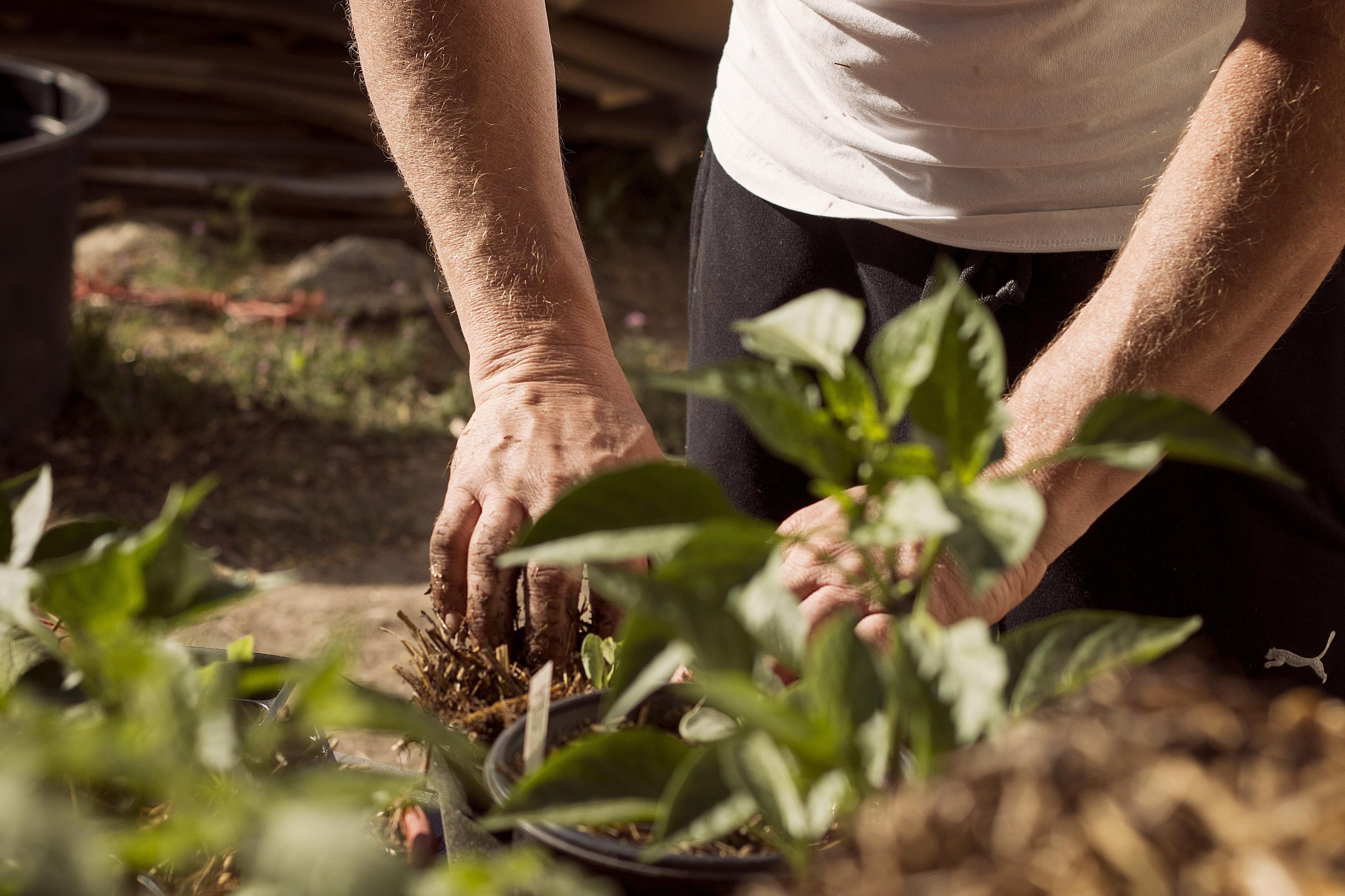
One of the first and most important steps in spring gardening is cleaning and preparing the garden beds before the indoor crops can be transferred. This might include weeds, dead plant materials, or other debris that needs to be cleared out of the way to prevent the risk of diseases and spread of bacteria. Preparing the soil by loosening the dirt and adding organic compost can help replenish nutrients and improve soil structure. Most vegetables need soil that is slightly acidic with a pH between 6.0 and 7.0, but it is important to make sure the soil is not too wet in order to prevent compaction. Warm-season crops should be transplanted once the outdoor soil has warmed significantly with mild nighttime temperatures and cool-season crops should be transplanted before the temperatures and soil become too warm. Indoor plants might need to adjust to the outside conditions, so it may be helpful to place the plants outdoors in a sheltered location for short periods of time to gradually increase their exposure and prevent leaf damage and transplant shock. Root vegetables, peas, and beans typically thrive when planted directly in outdoor soil because they germinate quickly and grow best when undisturbed.
Remember that maintaining a spring garden is just as important as startup and preparation! Keeping an eye on soil temperatures and having a consistent watering routine can help regulate growing conditions. Adding mulch early on can help in retaining soil moisture and reducing weed growth. Crop rotation can help optimize nutrient use, prevent diseases, and interrupt pest cycles. Now you can start your spring garden today!