Everything You Need to Know About Peaches & Tomatoes!
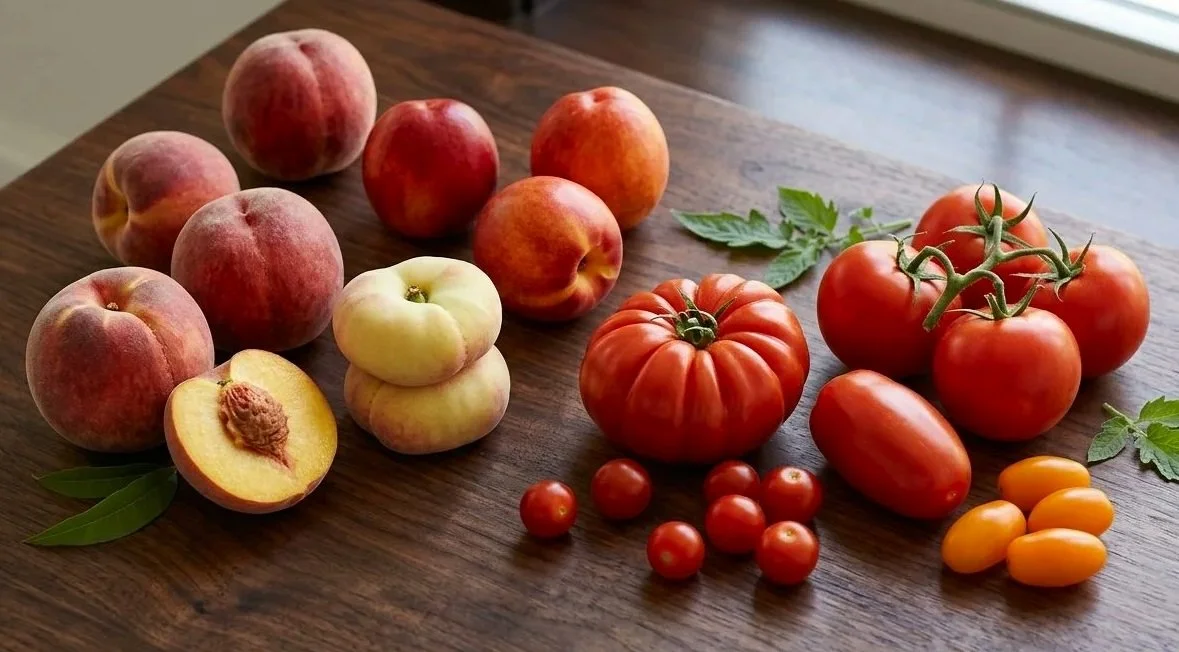
Peaches and tomatoes share a rich agricultural history and culinary versatility. Both plants are technically classified as fruits, but have different uses when it comes to the kitchen. Peaches are part of the rose family while tomatoes belong to the nightshades. That’s only the beginning! Understanding varieties, growing habits, and culinary uses will help you select the right fruit for your needs. Let’s dive in!
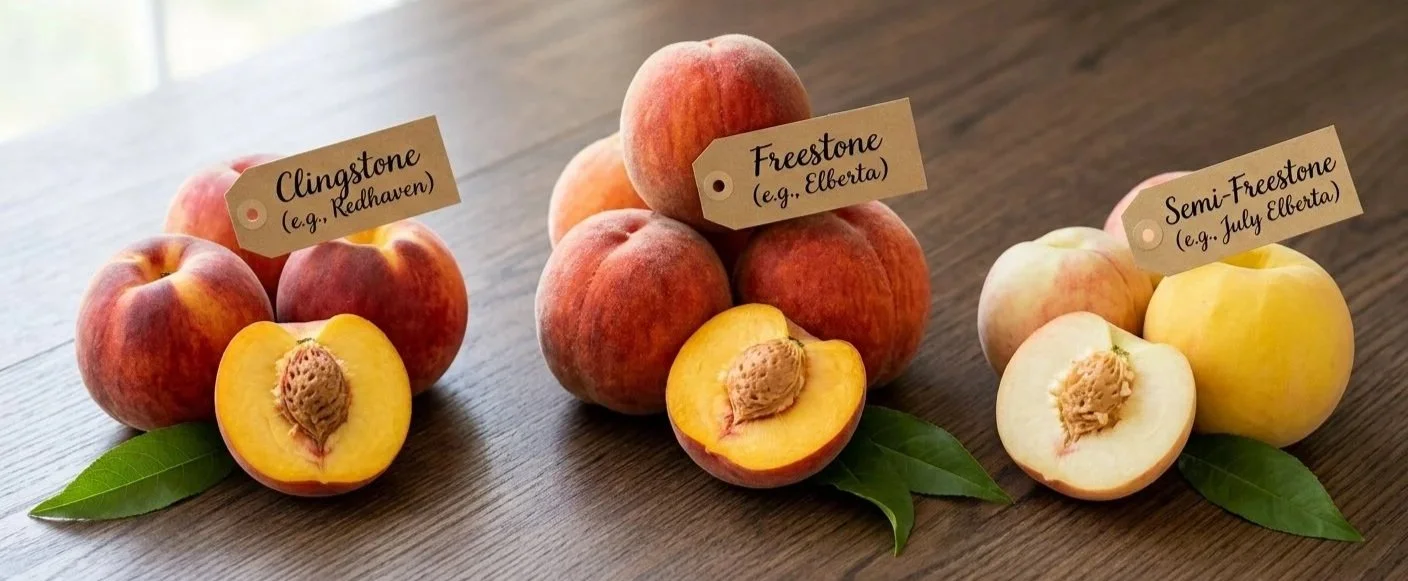
Peaches are classified as drupes, also referred to as stone fruits, since they contain a pit in the center surrounded by a fleshy inside. They are broadly categorized into clingstone, freestone, and semi-freestone based on how the flesh attaches to the pit. Clingstone peaches have flesh that remains firmly attached to the pit, making them a perfect choice for canning and jams due to their high sweetness content and structure. They tend to mature quicker and are typically harvested earlier in the season than freestone. With freestone peaches, the flesh easily separates from the pit, making them ideal for baking, slicing, and snacking. They mature much later in the season and dominate the produce market in late summer. Semi-freestone peaches consist of a flesh that partially adheres to the pit, but separates easily as the fruit ripens. Since they are a hybrid, semi-freestones can be eaten fresh, used in baking or cooking, or used in canning depending on when they are picked.
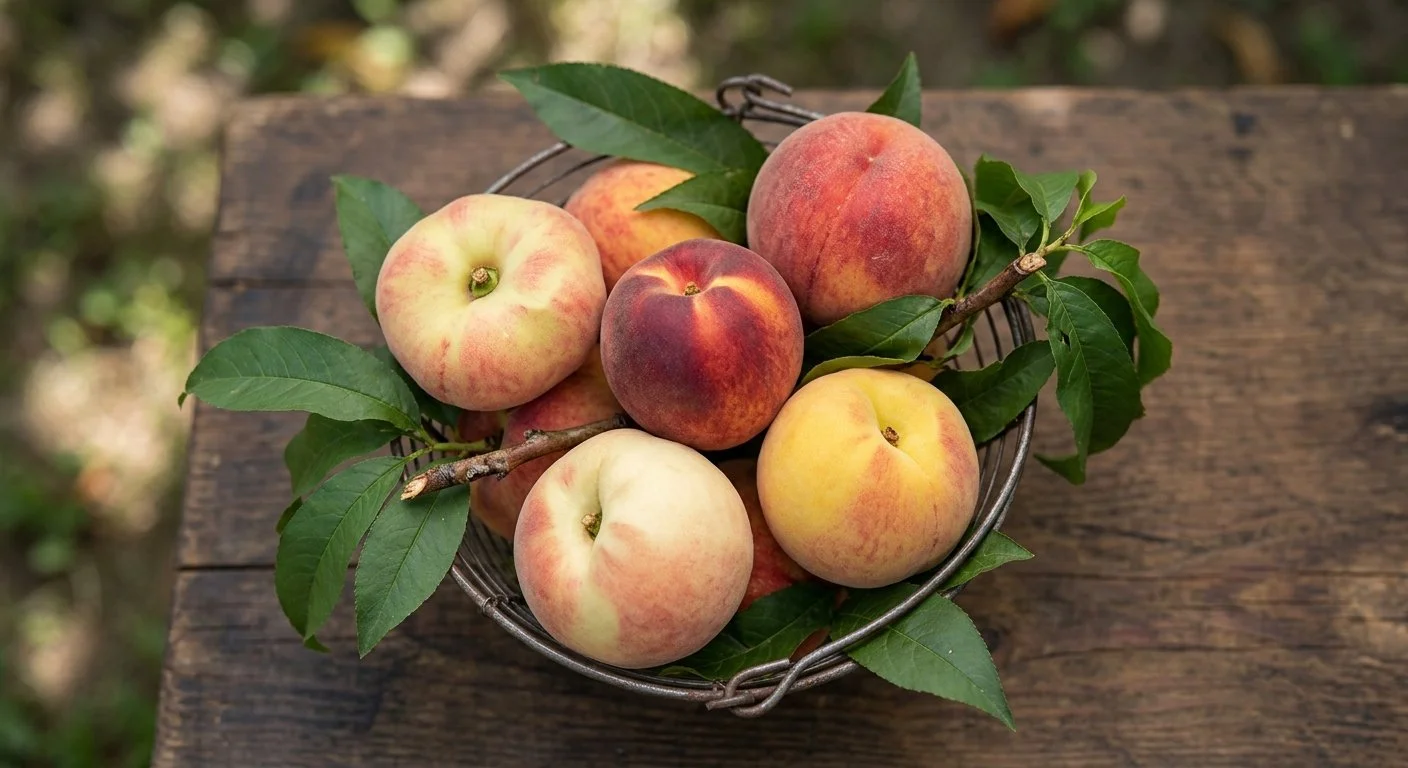
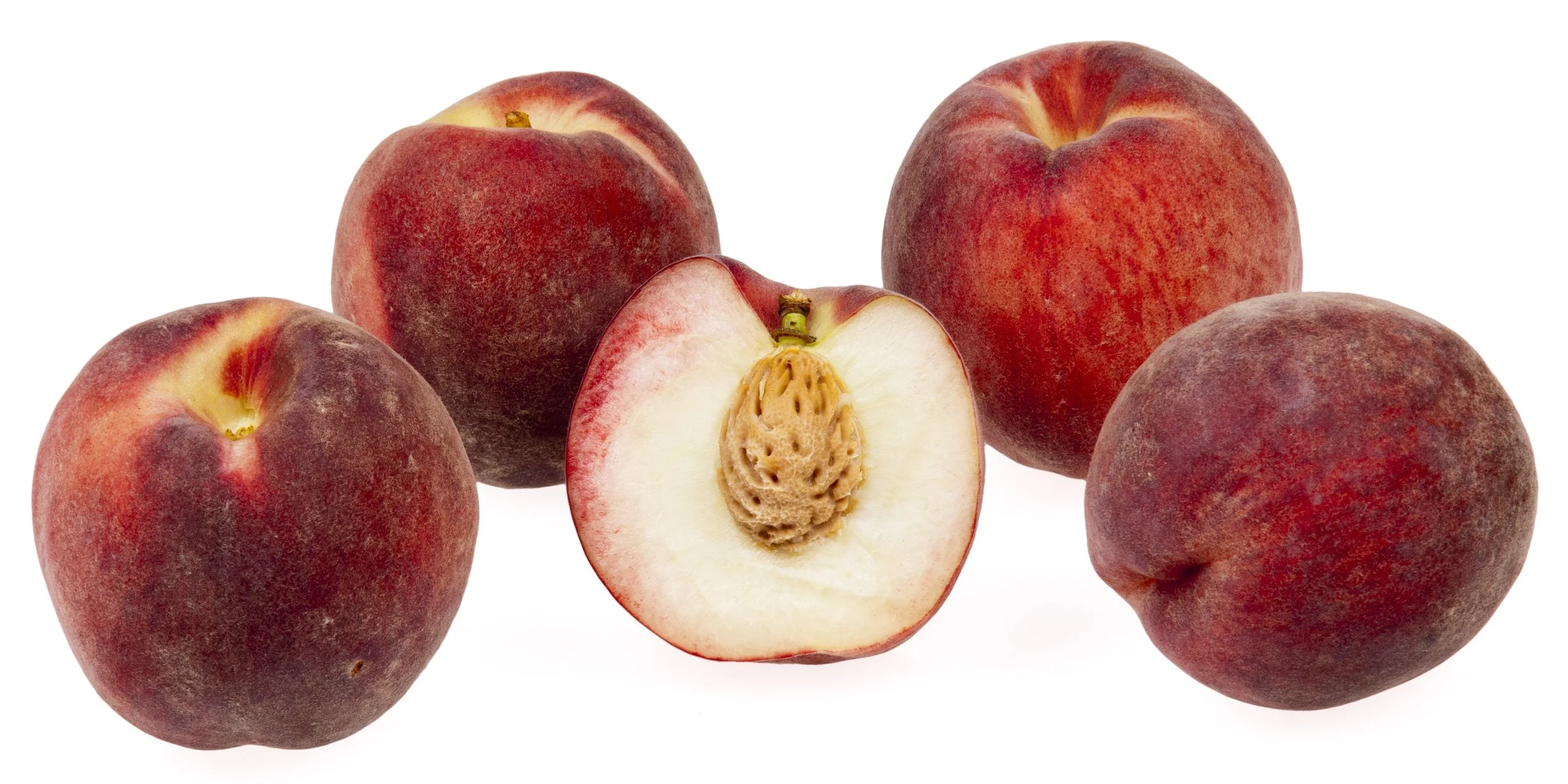
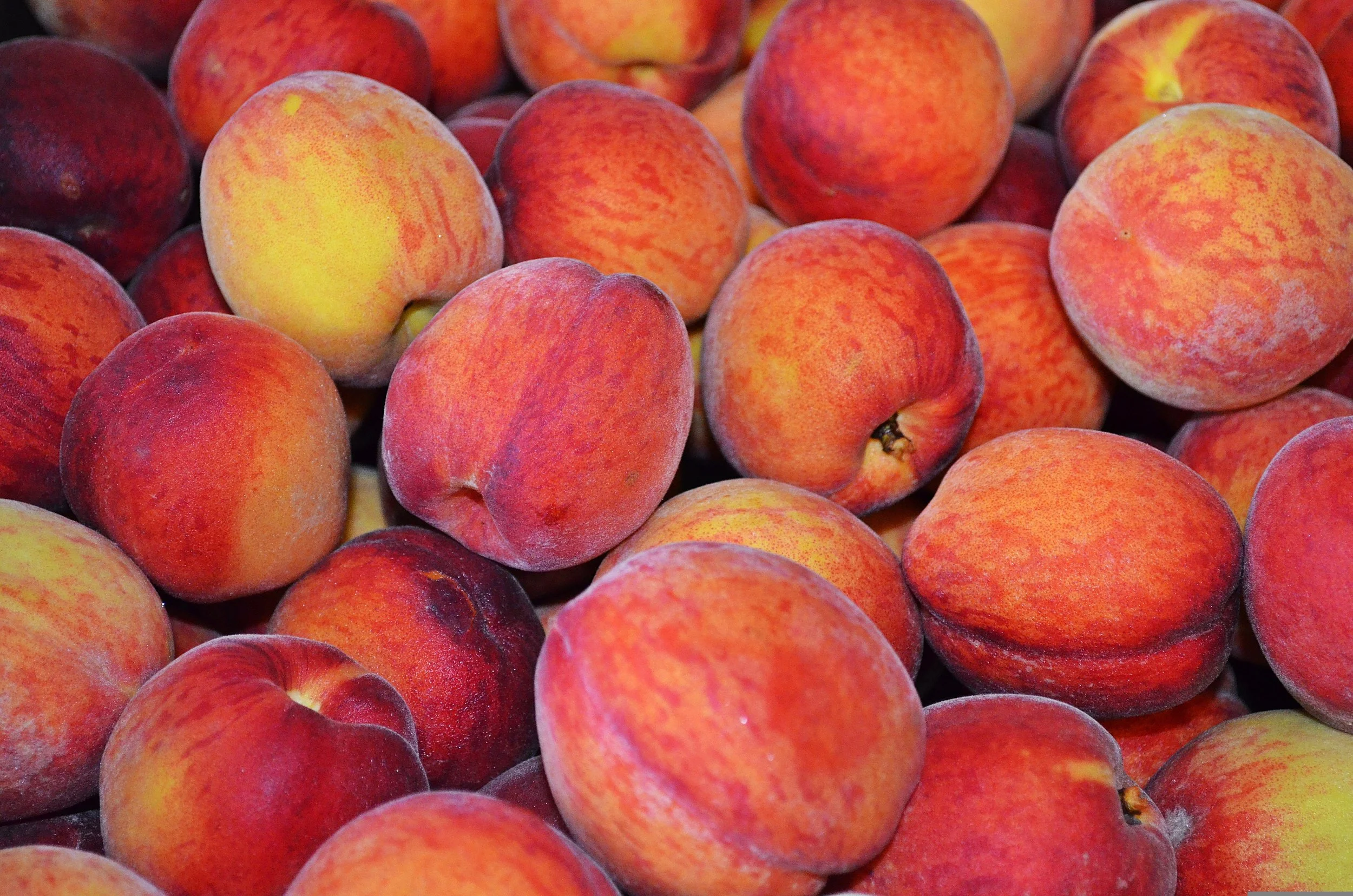
Peaches can be further categorized by their flesh color. The pit dictates the best culinary uses for the fruit while the flesh color indicates sweetness and flavor. Peach varieties are grouped into yellow and white peaches, with yellow freestones ranking at the top for most common types sold in the United States. Yellow peaches have a golden flesh that turns red toward the center with a balanced sweet and tangy flavor. Popular yellow freestones include Elberta, Redhaven, and O’Henry. Elberta peaches are a classic heirloom fruit that are large in size. These traditional peaches are the image that typically comes to mind when on the subject of peaches. They are fairly large in size and are a great choice for fresh eating and standard culinary needs. Some common yellow clingstone varieties include Florida Prince and Babygold. Popular yellow semi-freestone varieties include Sentry and Desert Gold. White peaches consist of a pale, ivory (sometimes slightly pink) flesh and are lower in acidity in comparison to yellow varieties. Popular white freestone varieties include Snow Beauty, White Lady, Belle of Georgia, Tropic Snow, and Babcock. White semi-freestones are less popular, but can still be found in farmers markets and some grocery stores. Common varieties include Saturn (also known as Donut), Galaxy, Snow Bride, and Southern Pearl. Although white clingstones are not usually sold as frequently in commercial stores, some varieties that may be found in farmers or specialty markets include Snow Angel, Glacier, White Health, and Spring Snow. Yellow peaches are excellent for baking, canning, and cooking while white peaches tend to be better used in juices, light desserts, and for eating fresh. Remember, taste preference is entirely up to you!
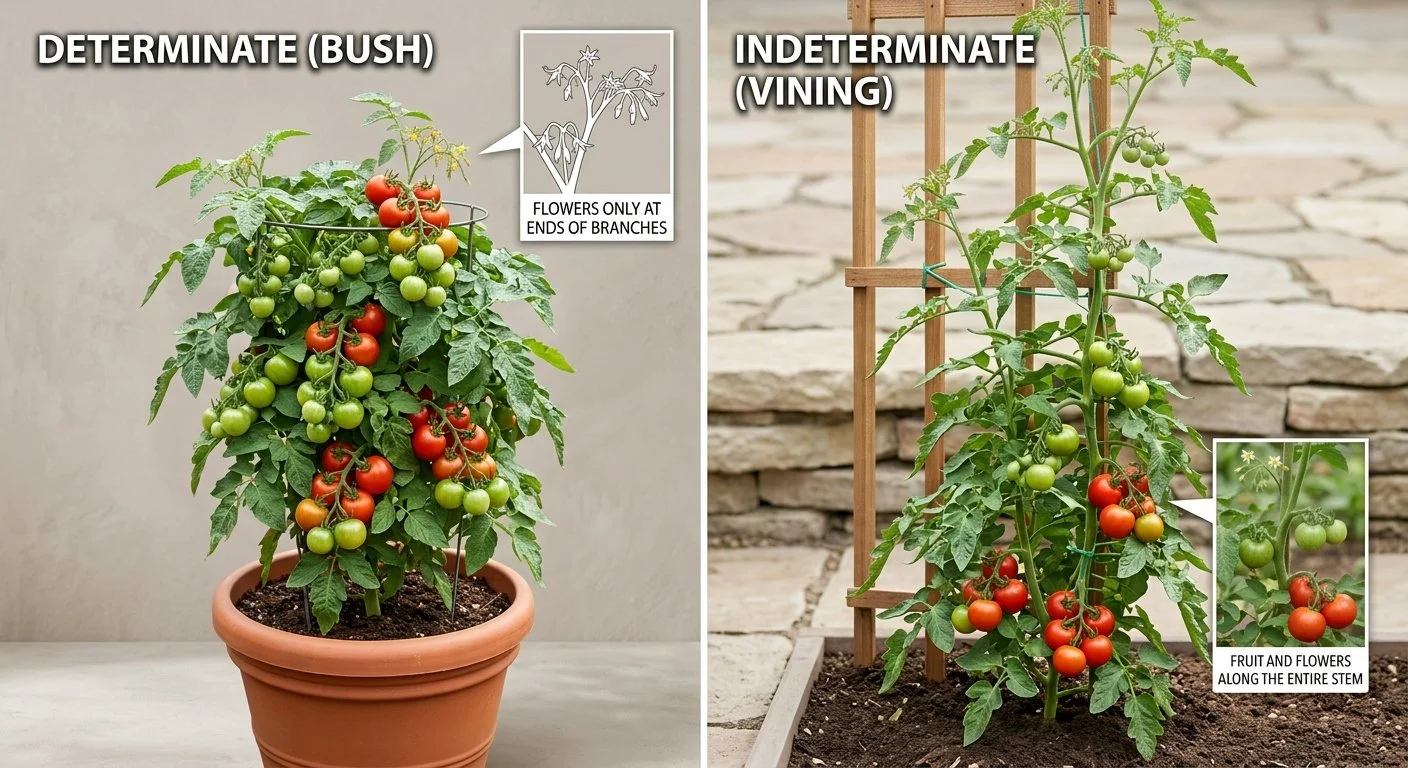
Tomatoes are classified based on their growing habits, size and use, breeding lineage, and maturity time. Although they are botanically berries, in culinary uses, tomatoes are often considered vegetables since they lack a level of sweetness that is typically associated with other fruits. Tomatoes range in color from light colors like bright yellow and orange, to classic colors like red and pink, to dark colors like purple and brown, with some tomatoes even holding onto their green color. When it comes to growing habits, one of the most important classifications is determinate versus indeterminate. Determinate (also known as Bush) tomatoes grow to a fixed height of three to four feet tall and stop growing once terminal buds set fruit. The crop is compact and ripens within a few-week window. Indeterminate (also known as Vining) tomatoes need caging, staking, or trellising to maintain a proper structure and continue growing and flowering until the vines are killed by frost.
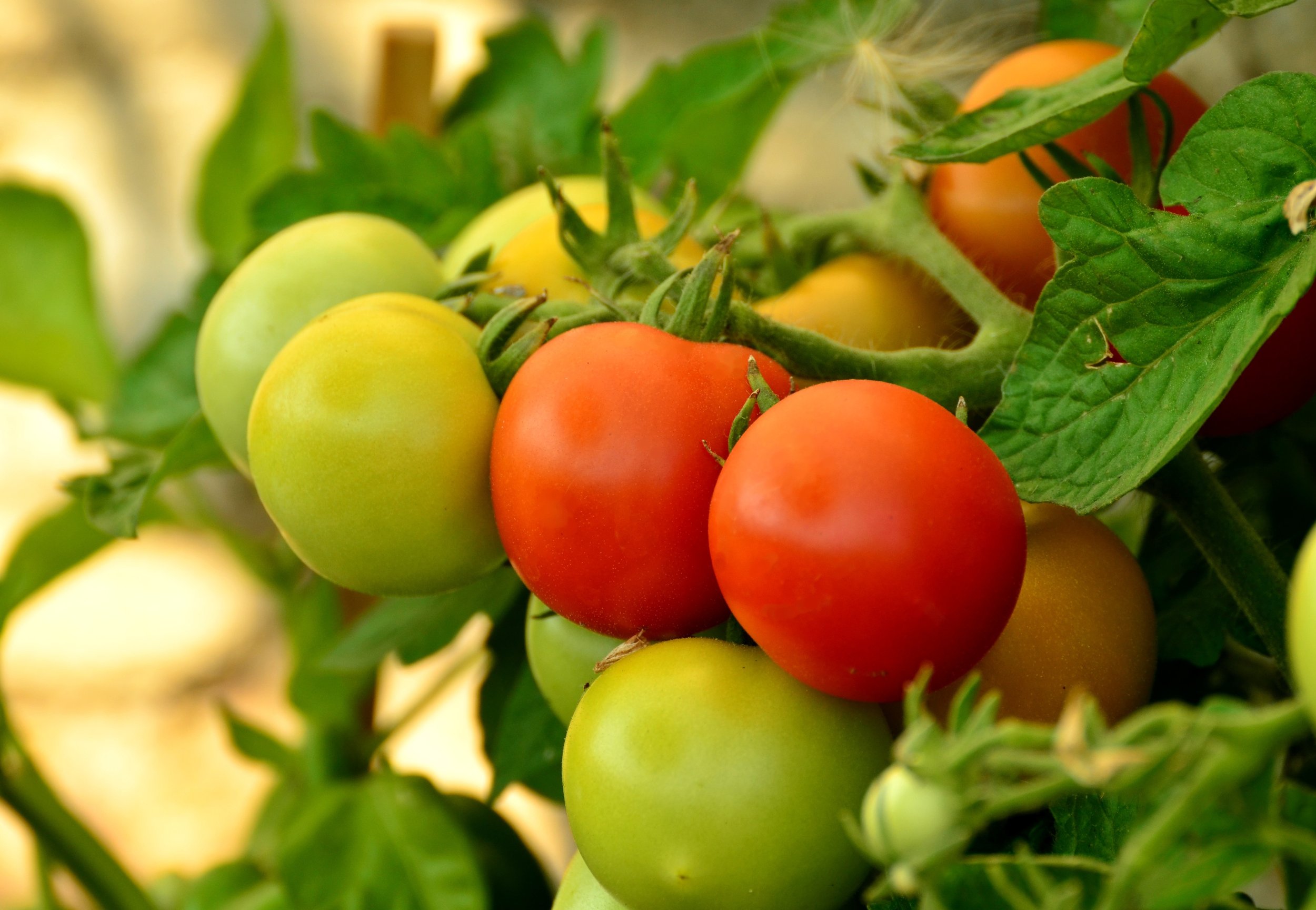
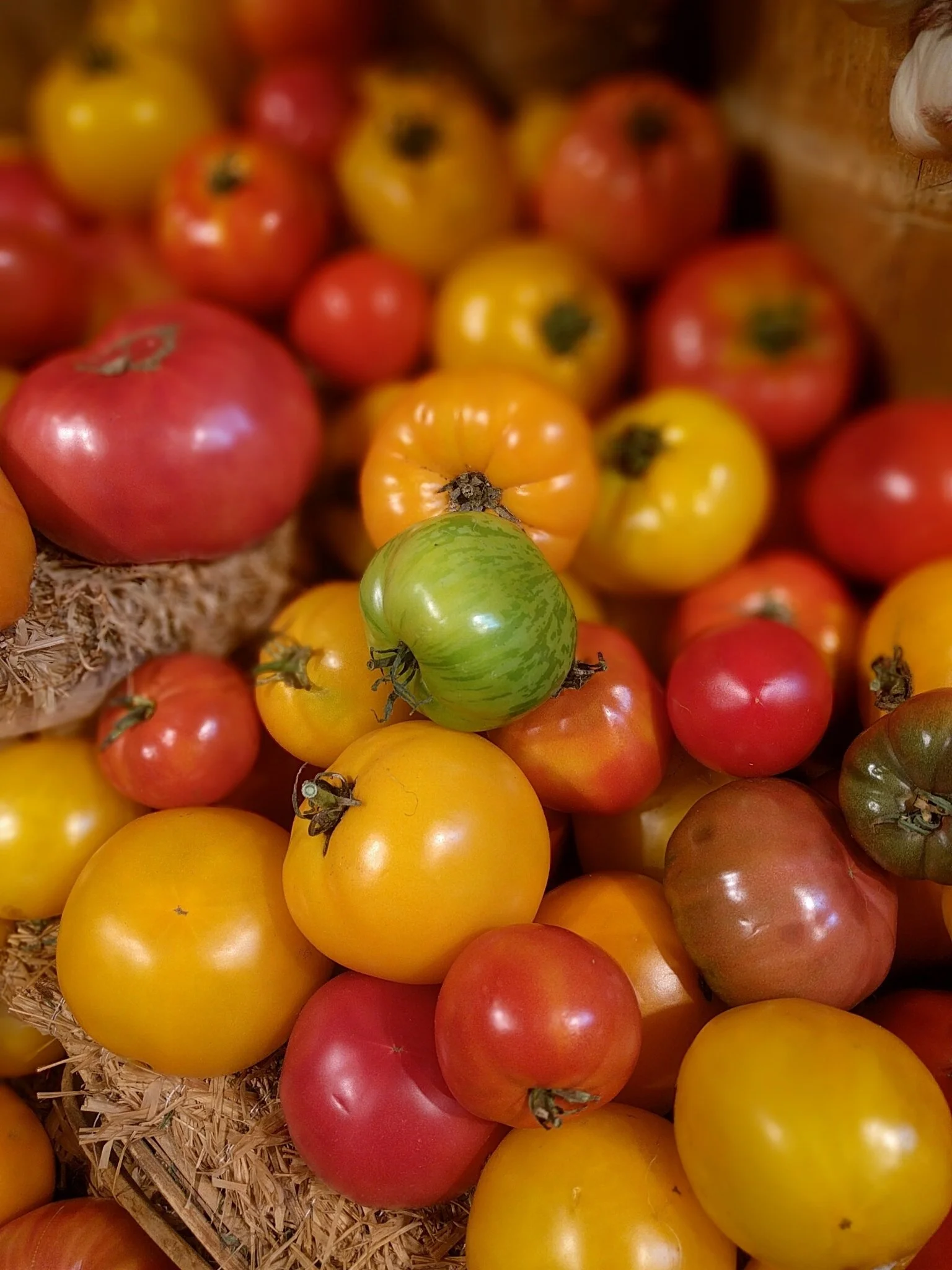
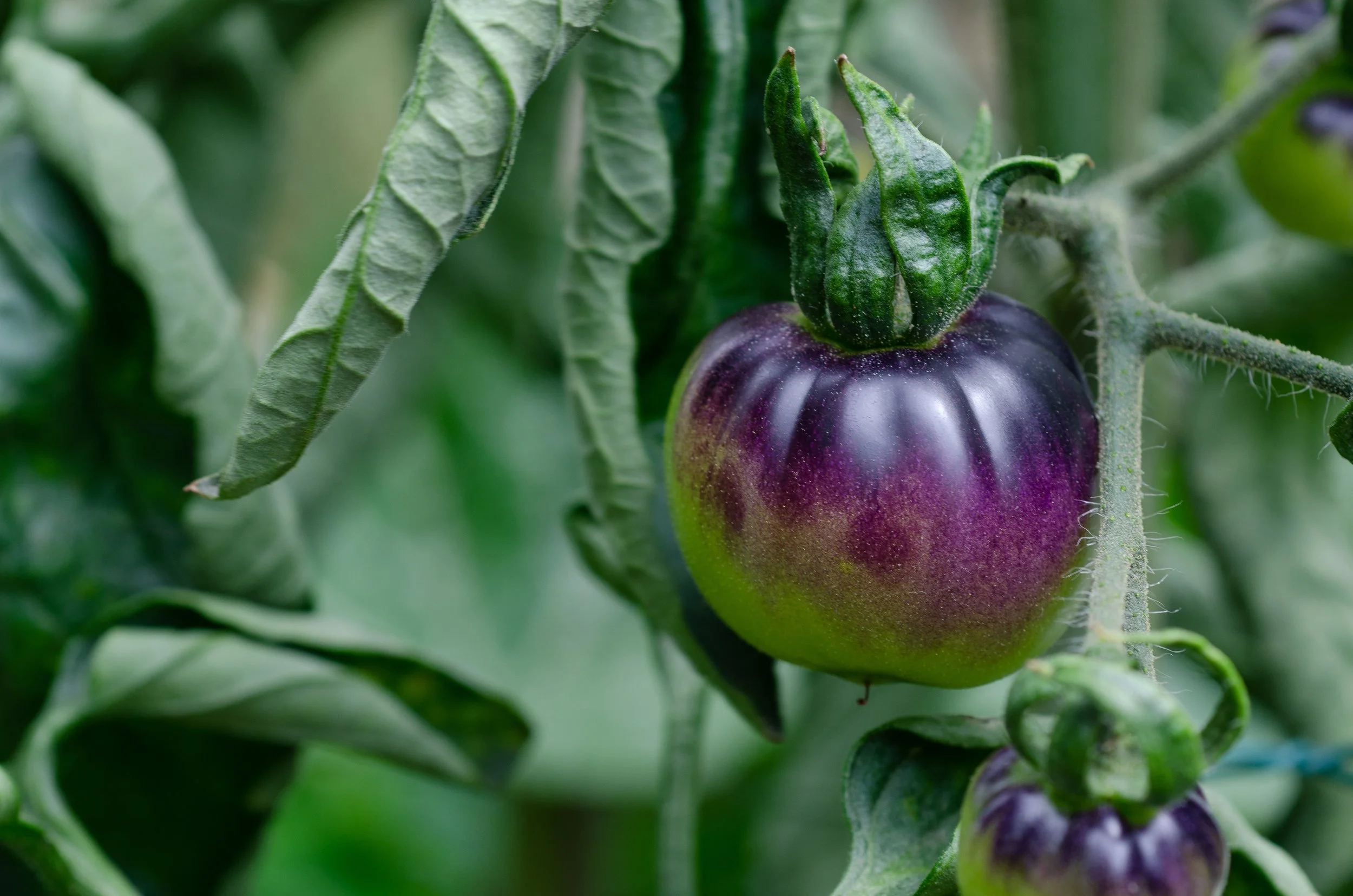
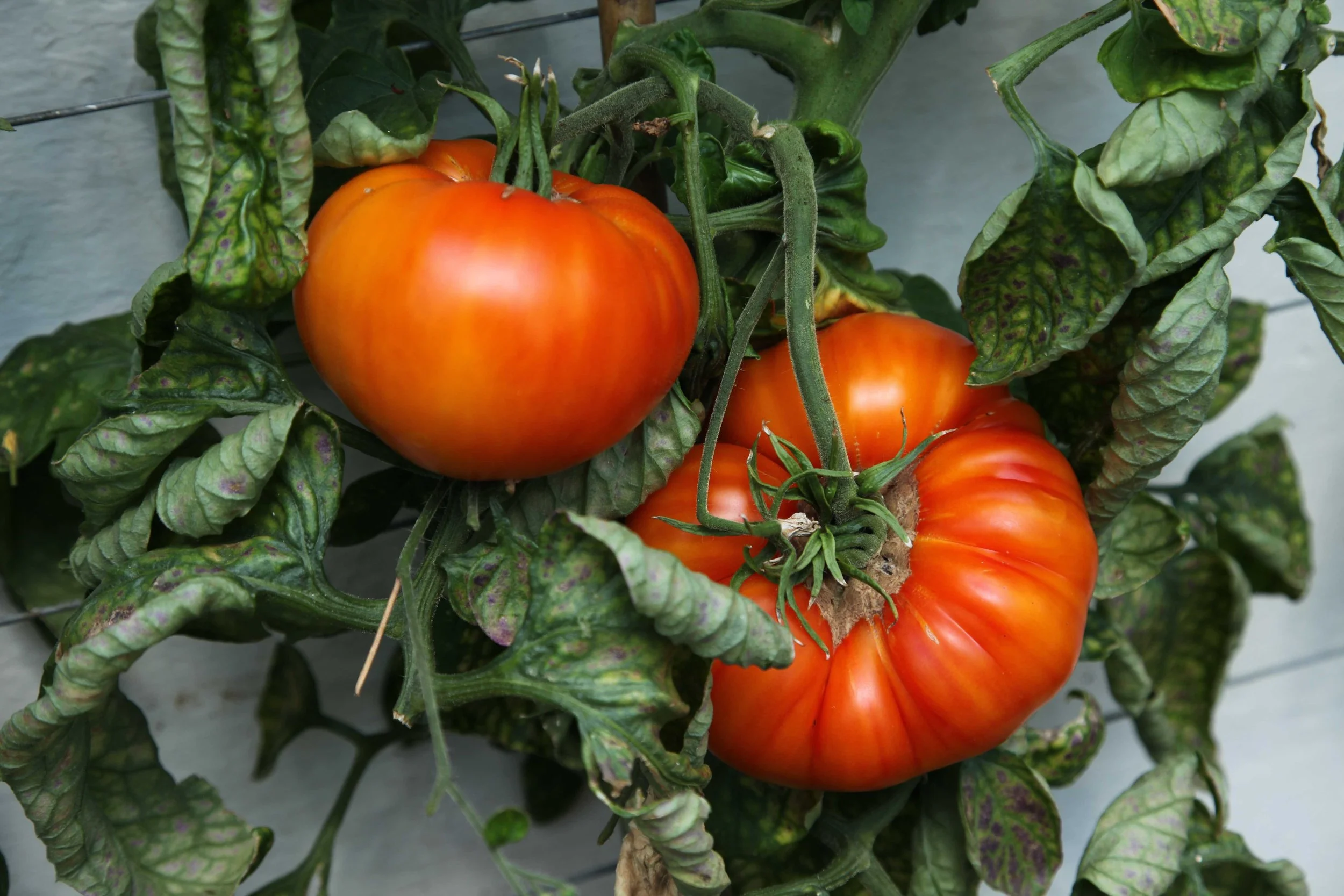
Tomato varieties are categorized in culinary by their physical structure and uses. Slicer/Globe tomatoes are round and medium in size with few seed cavities. These generally work as all-purpose tomatoes since they offer a balance of juice and acidity. Popular varieties include Better Boy, Early Girl, and Celebrity. Beefsteak tomatoes are large and have multiple seed cavities. They contain a high flesh-to-juice ratio, making them great for sandwiches and burgers. Popular beefsteak tomato varieties include Brandywine, Beefmaster, and Better Boy. Plum (Paste) tomatoes are oblong, medium sized fruits categorized by their thick flesh and tender texture. They have mild acidity and a low water content, making them perfect for tomato sauces and sun-dried dehydrated snacks. The most popular varieties include Roma, San Marzano, Big Mama, and Amish Paste. Small-fruited tomatoes are tiny in size compared to Beefsteak and Slicer/Globe. These consist of cherry, grape, and Cocktail (also known as saladette) tomatoes. Popular cherry varieties include Sungold, Super Sweet 100, and Black Cherry. Popular grape varieties include Sweet Hearts F1, Juliet, and Jelly Bean. Popular cocktail varieties include Campari, Mountain Magic, and Clementine. Heirloom tomatoes are open-pollinated varieties that come in irregular shapes, typically having rich flavors and thin skins. They work great in salads, sandwiches, and on the stove. Popular heirloom varieties include Cherokee Purple and Costoluto Genovese. Hybrid varieties are intentionally cross-bred, resulting in disease resistance, uniform shape, and similar yields. Common hybrid varieties include Yellow Pear, Green Zebra, and Pineapple.
Although peaches and tomatoes stem from different plant families, both fruits demonstrate how understanding particular varieties is crucial for achieving culinary potential. See if you can recognize any of these peach and tomato varieties next time you’re in a garden, grocery store, or specialty market!
What’s Offered at Ed’s?
Local New Jersey Vine Ripened Tomatoes – 25lb case
Local Mixed Color Heirloom Tomatoes – 10lb flat
Local Grape Tomatoes – 12/1pt
Local Mixed Baby Heirloom Cherry Tomatoes – 12/1pt
Local NJ Ripe Peaches – 20lb case