A Taste of August: Peaches & Tomatoes!
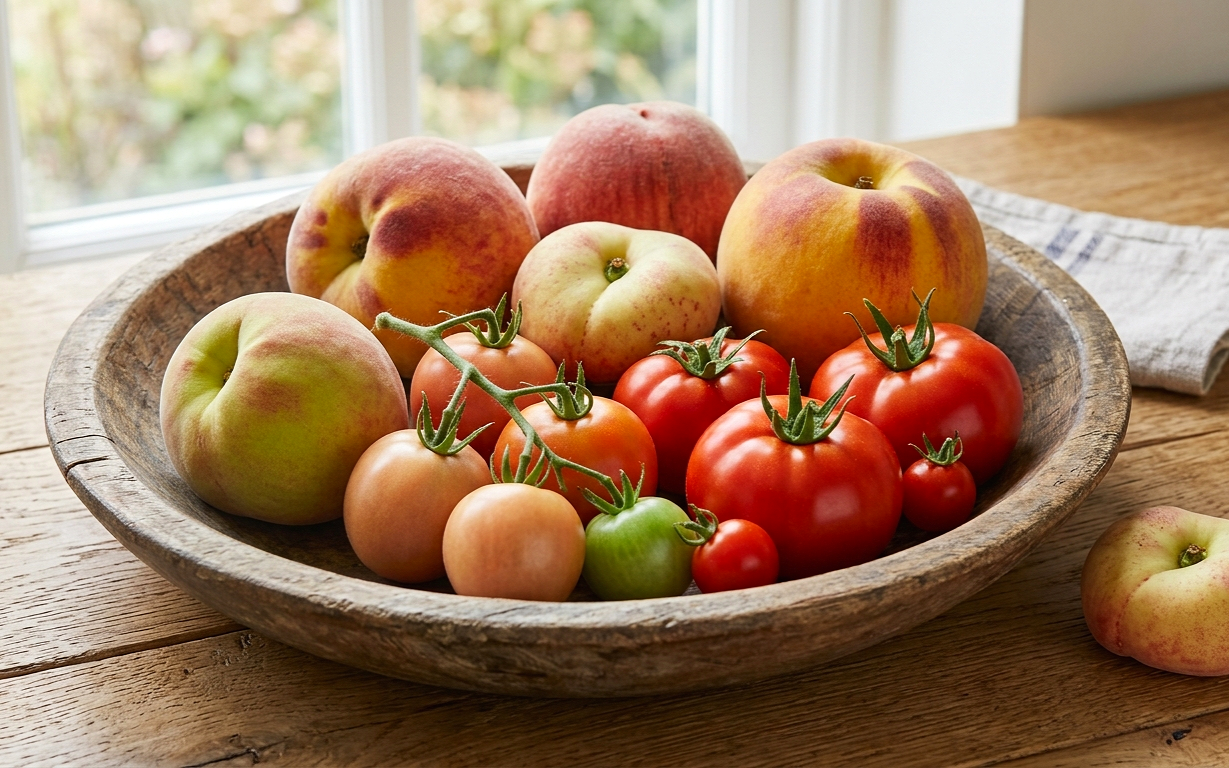
Peaches and tomatoes are in their peak season this month! Although both are botanically considered fruits, they can be classified further, emphasizing their unique qualities. Despite their differences, peaches and tomatoes are harvested in the height of summer shaped by various conditions, creating a perfect wind down of the season! Let’s dive in!
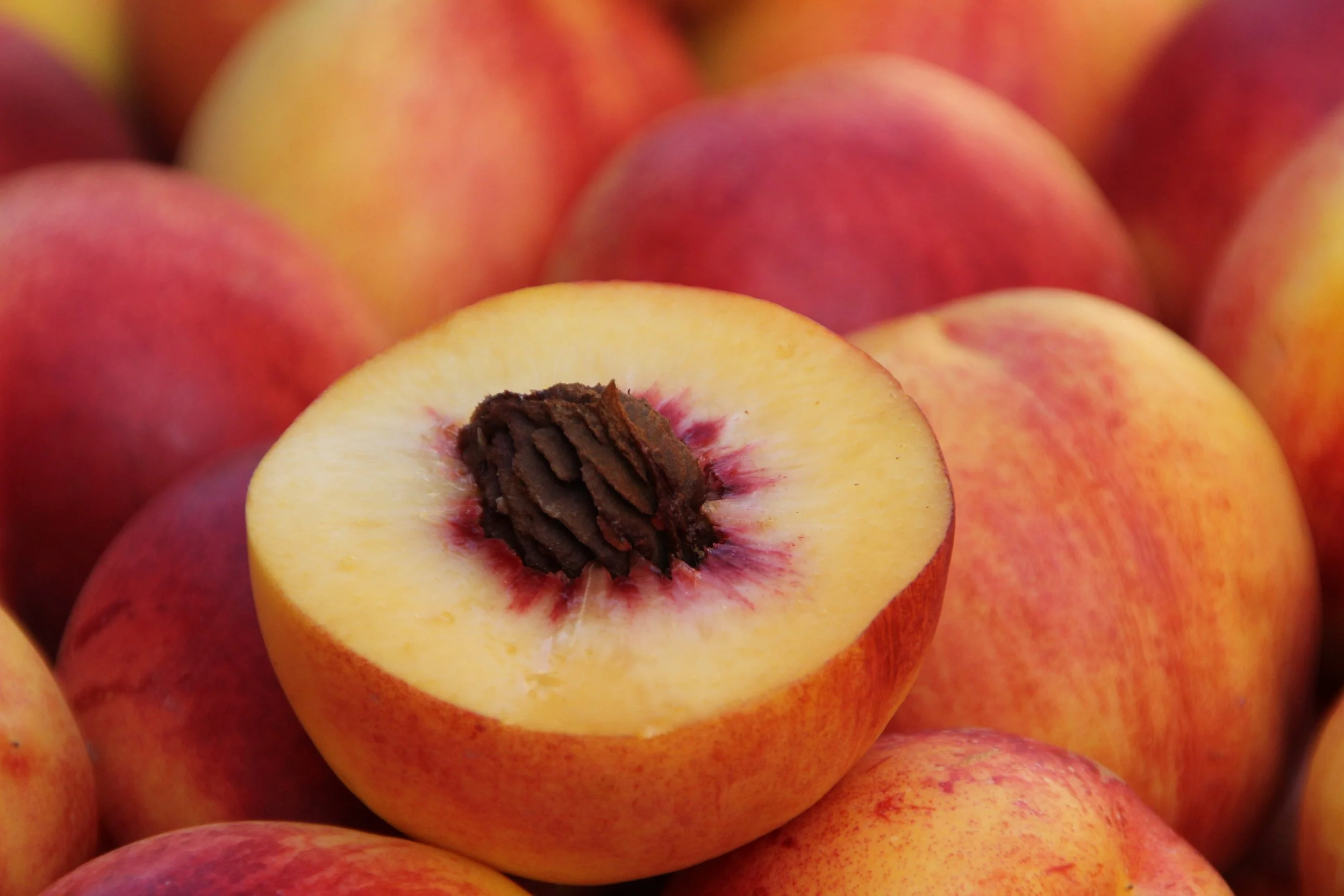
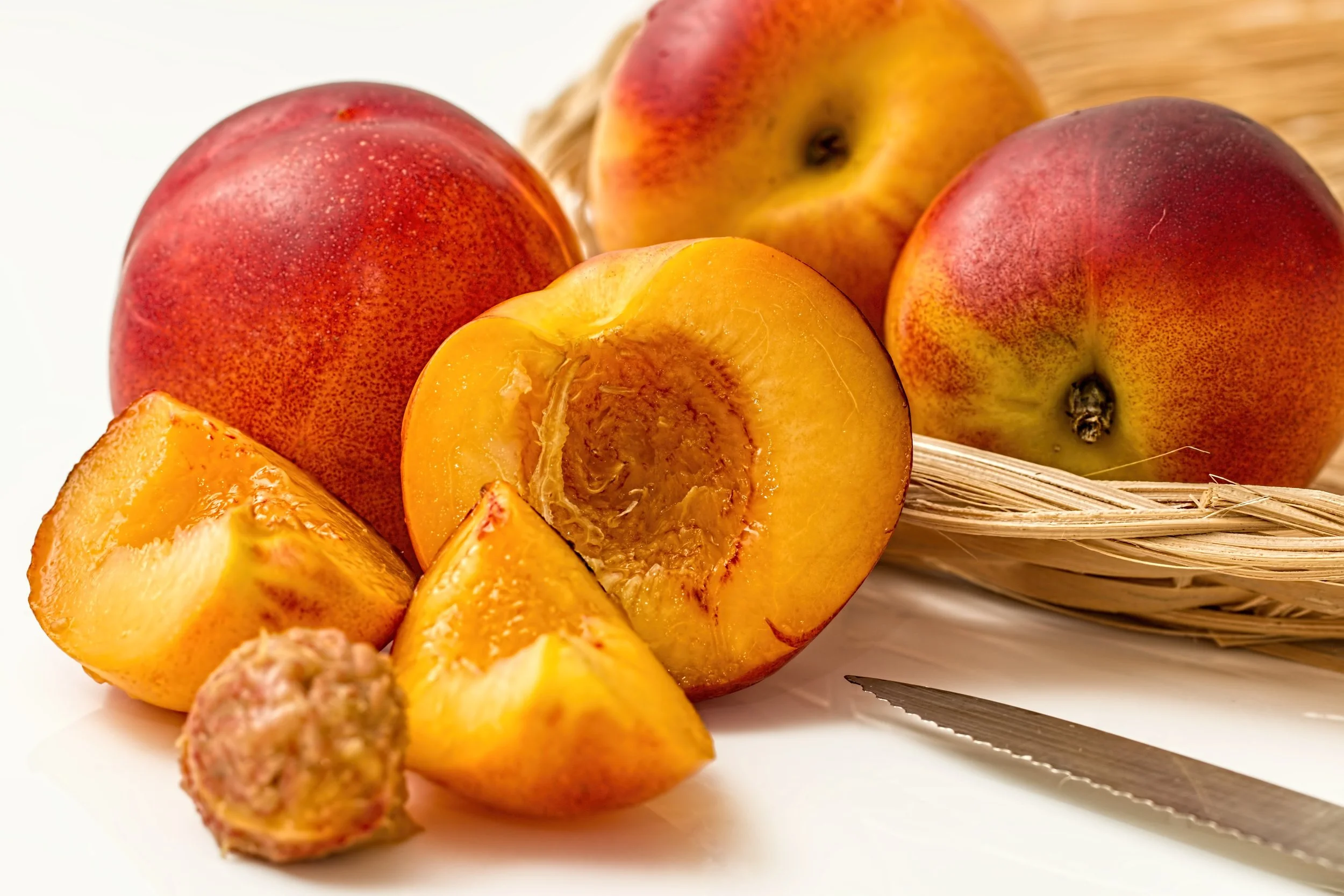
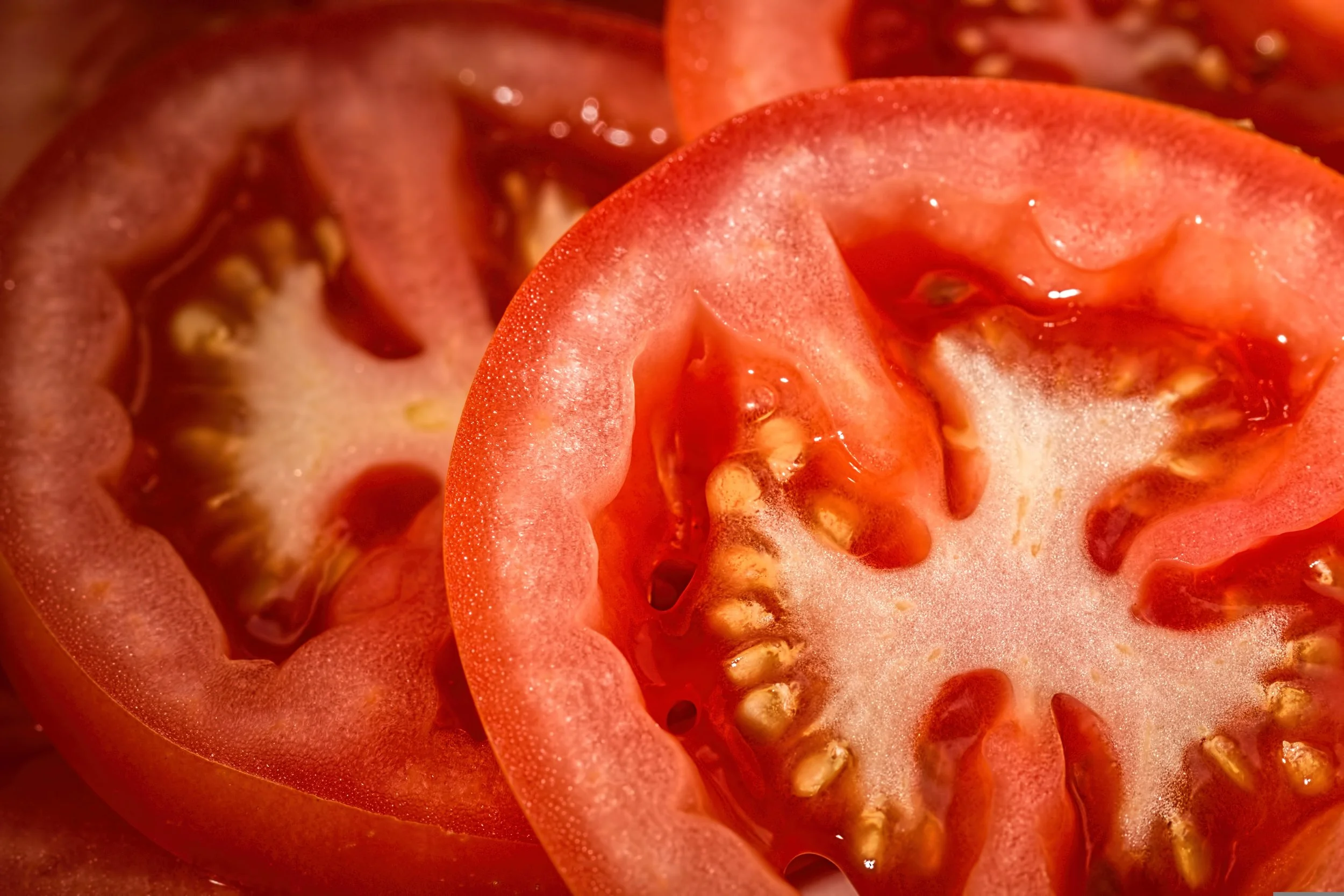
Peaches are botanically classified as drupes, or stone fruits, since they contain a fleshy inside surrounding a pit in the center. Tomatoes are scientifically classified as berries since they develop from a single flower and contain seeds within their interior. Peaches are perennial plants that can live for several years and produce new fruit each season. Tomatoes are technically perennial plants, but are often grown on annual plants since they cannot survive the frost. They belong to the nightshade family, alongside peppers, eggplants, and potatoes.
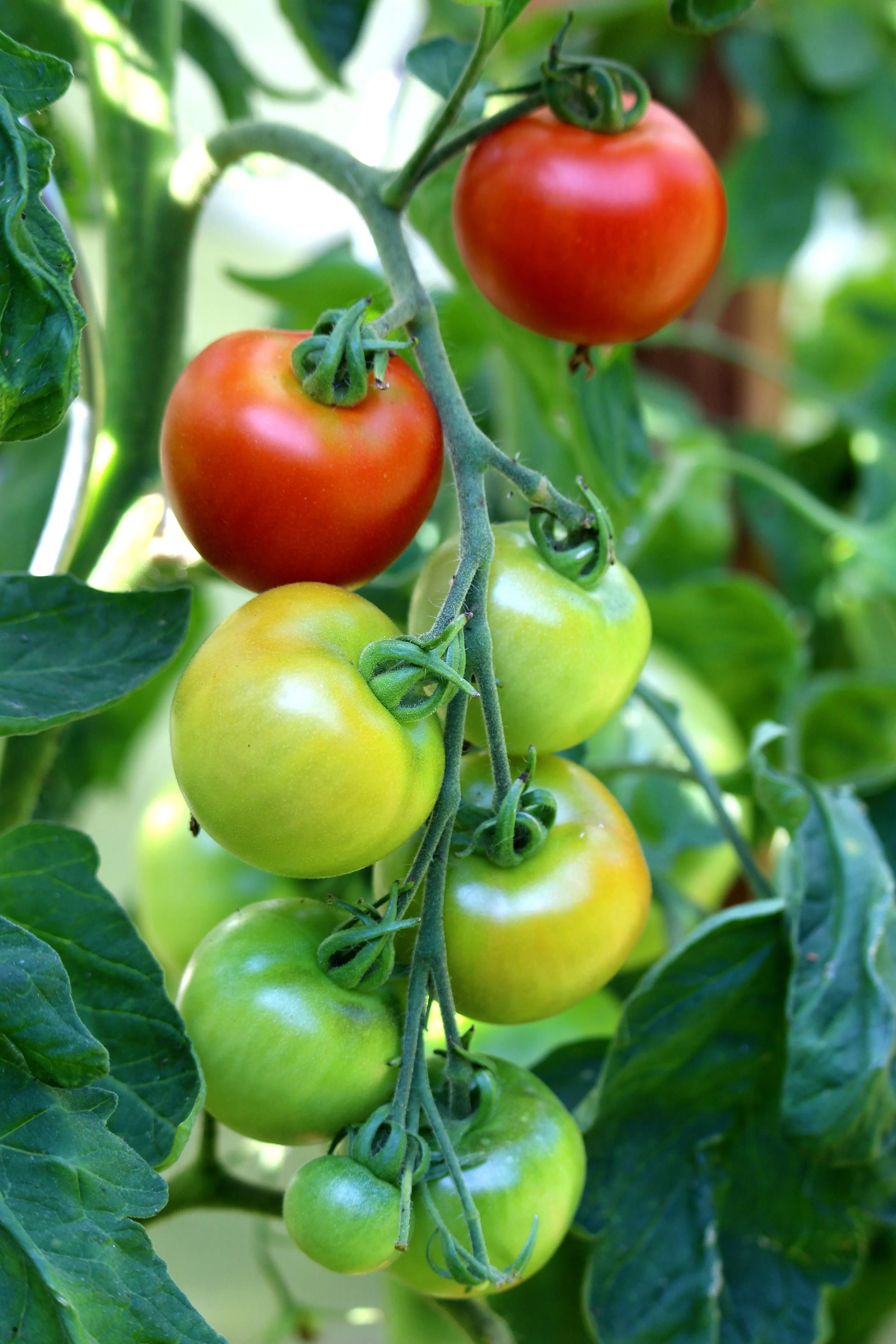
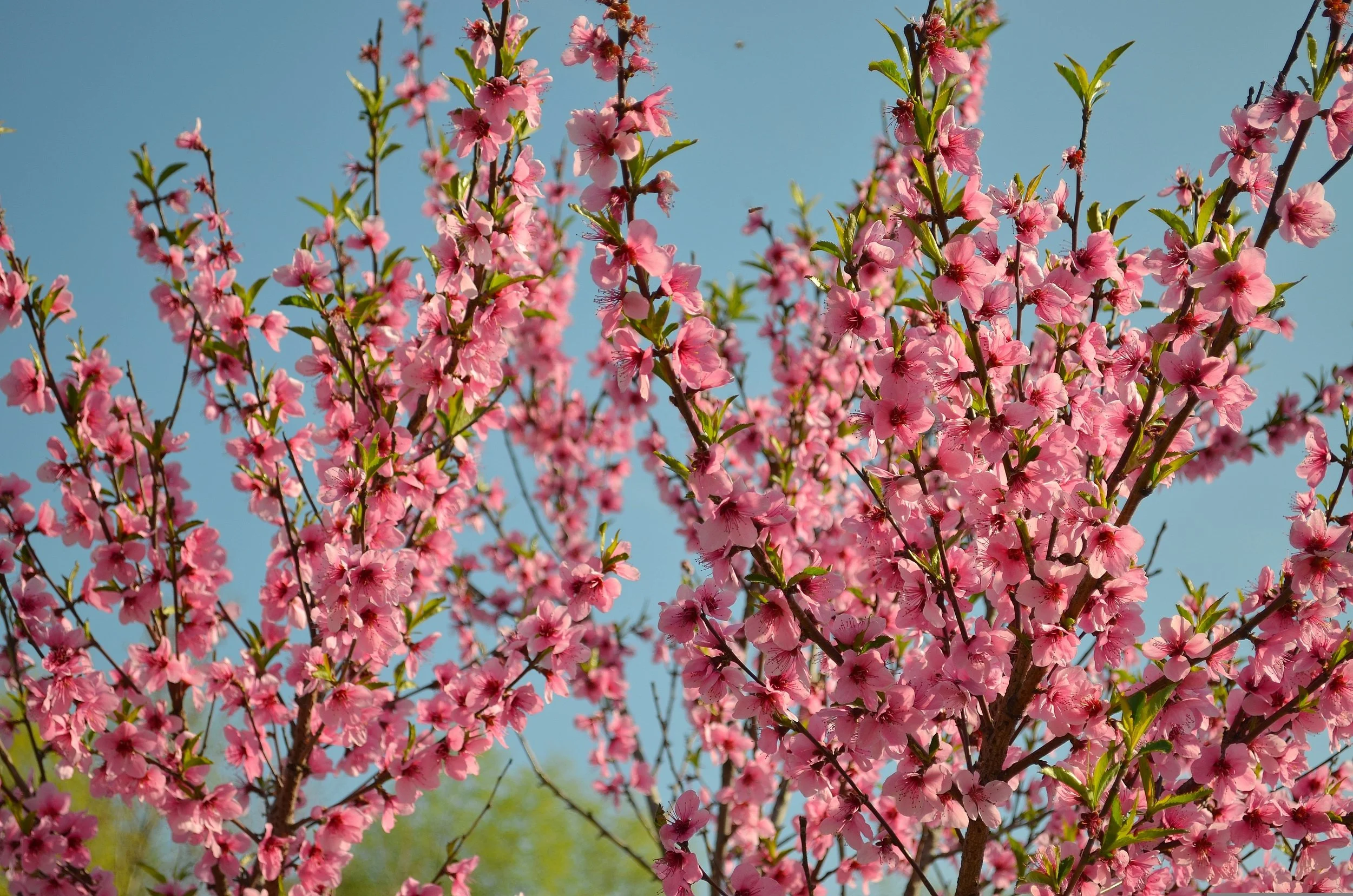
A crop’s harvest is dependent on multiple factors such as weather, geography, and growing methods. Both fruits reach their peak around August, but their growth cycles require different conditions. Peach trees need to survive winter climates that allow them to bloom in spring and produce fruit during the summer. The winter chill is necessary for the tree to develop properly, as these cold temperatures trigger buds and break dormancy. Temperatures below freezing as well as an early spring bloom can cause damage to the fruit. Tomatoes thrive in warm, sunny climates during their growth period and can sometimes be sensitive to temperature change. Excessive heat or chilly nights may interfere with flowering and throw off their harvest. Even if the same crops are grown in similar locations, factors like elevation, soil, and when they are planted can impact growing habits.
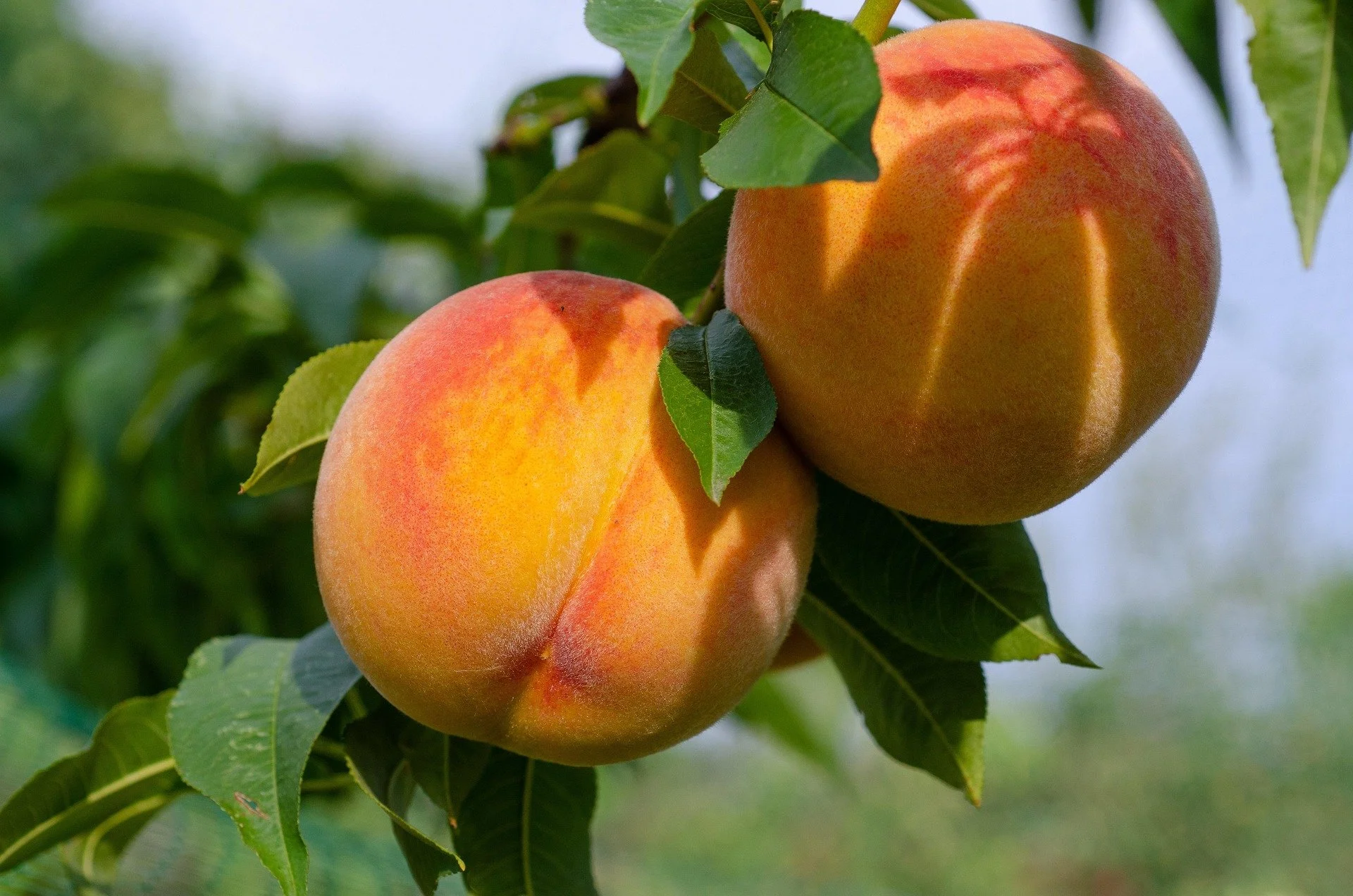
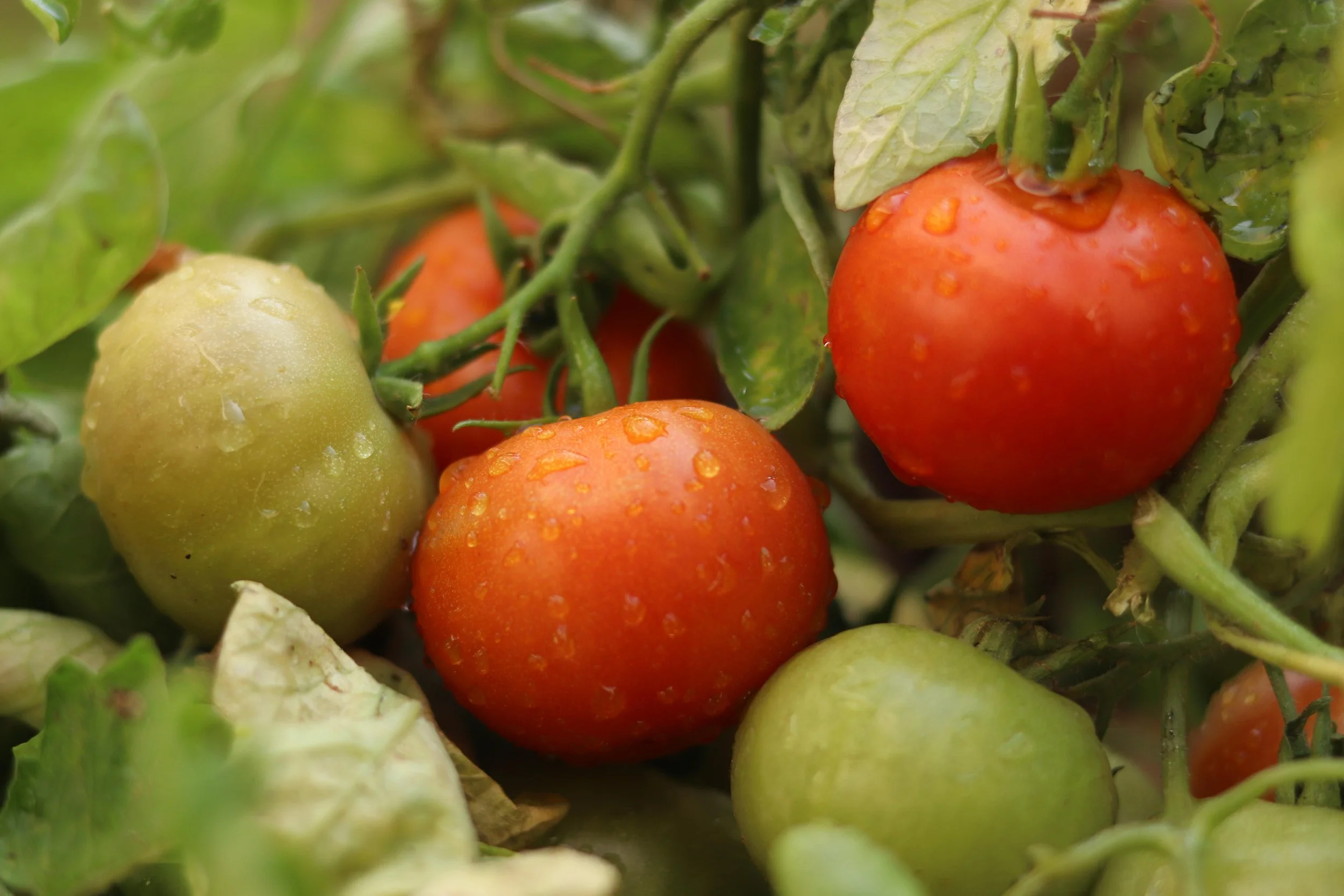
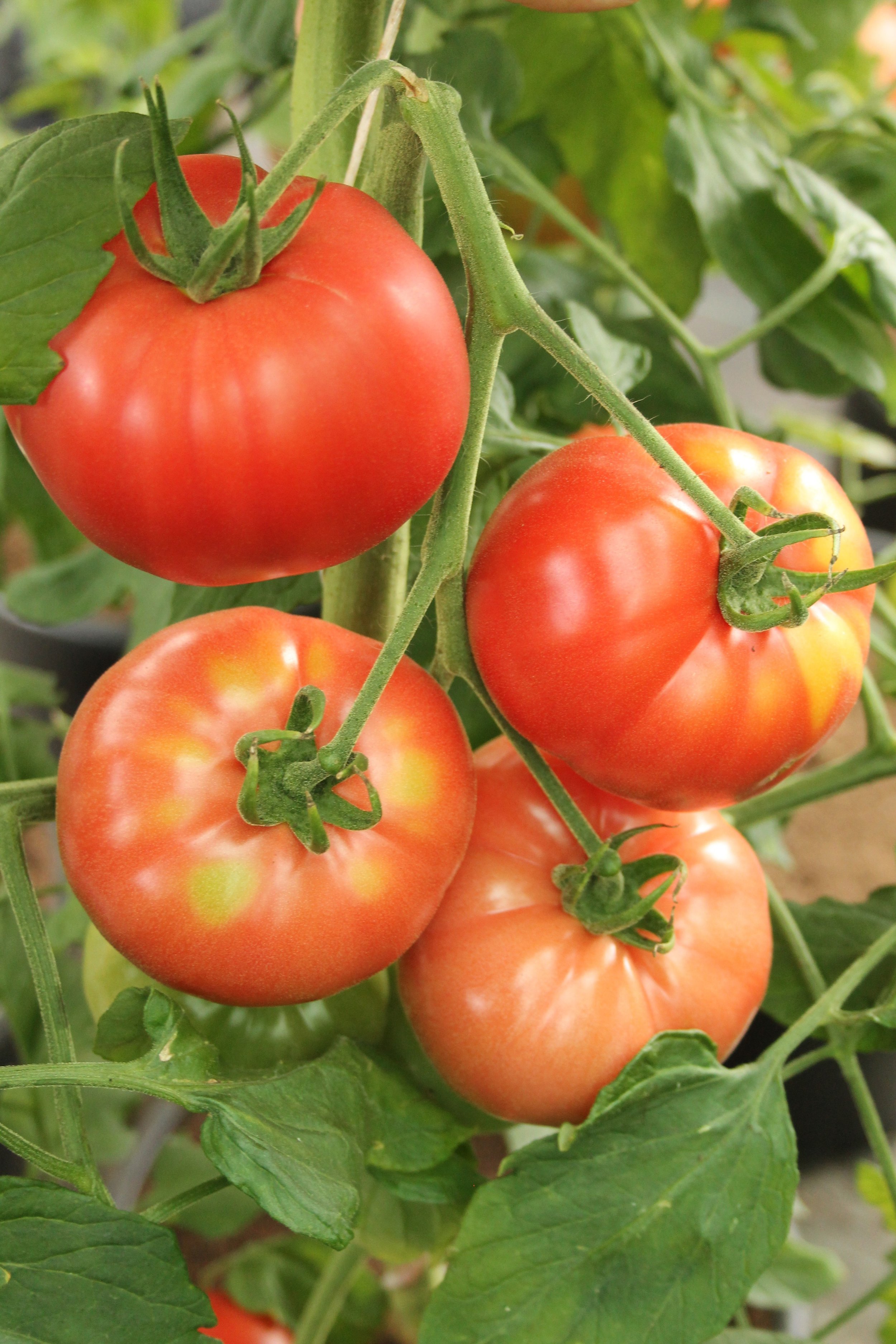
When it comes to harvesting, peaches are generally picked while still slightly firm to survive transportation and handling. As they mature, their flesh softens and the flavor intensifies, but can be considered overripe if they bruise too easily. Tomatoes are sometimes picked around their breaker phase, while they are a faint greenish-orange color and continue to ripen afterward. Peaches and tomatoes harvested more locally to the consumer may present a different taste if they were picked later or spent less time in transit. Variety can significantly impact how a crop is grown and the duration of its harvest. Some varieties may require the same or similar conditions, but one may ripen weeks sooner than another variety. With tomatoes, determinate varieties typically ripen at once, while indeterminate varieties continue producing through the season.
Peaches and tomatoes are excellent examples of produce that is shaped by individual decisions from the variety planted and weather conditions to when they are picked and how they are handled afterward. These fruits demonstrate the importance of understanding produce beyond appearance and learning about how biological and environmental factors influence crops throughout the year. If you want to gain a deeper understanding about growth, what better way to learn about the season than to taste what it has produced!