Ed’s Produce: Pears 101
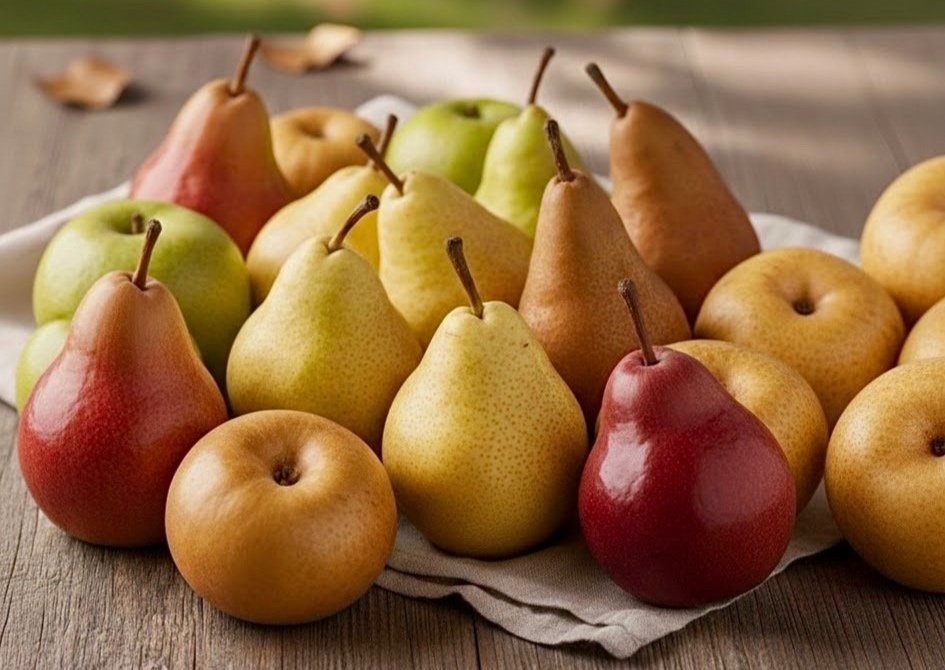
Pears often get forgotten about or pushed aside when apples stay in the spotlight. Unlike apples, most pears are mature when harvested, but are not fully ripe. They continue to ripen once picked, so a pear's appearance does not always reflect its eating quality. European and Asian pears share similar qualities, but differ significantly in appearance. Understanding and recognizing pear varieties is crucial to accurately judging pear ripeness! Let’s dive in!
Pear Varieties
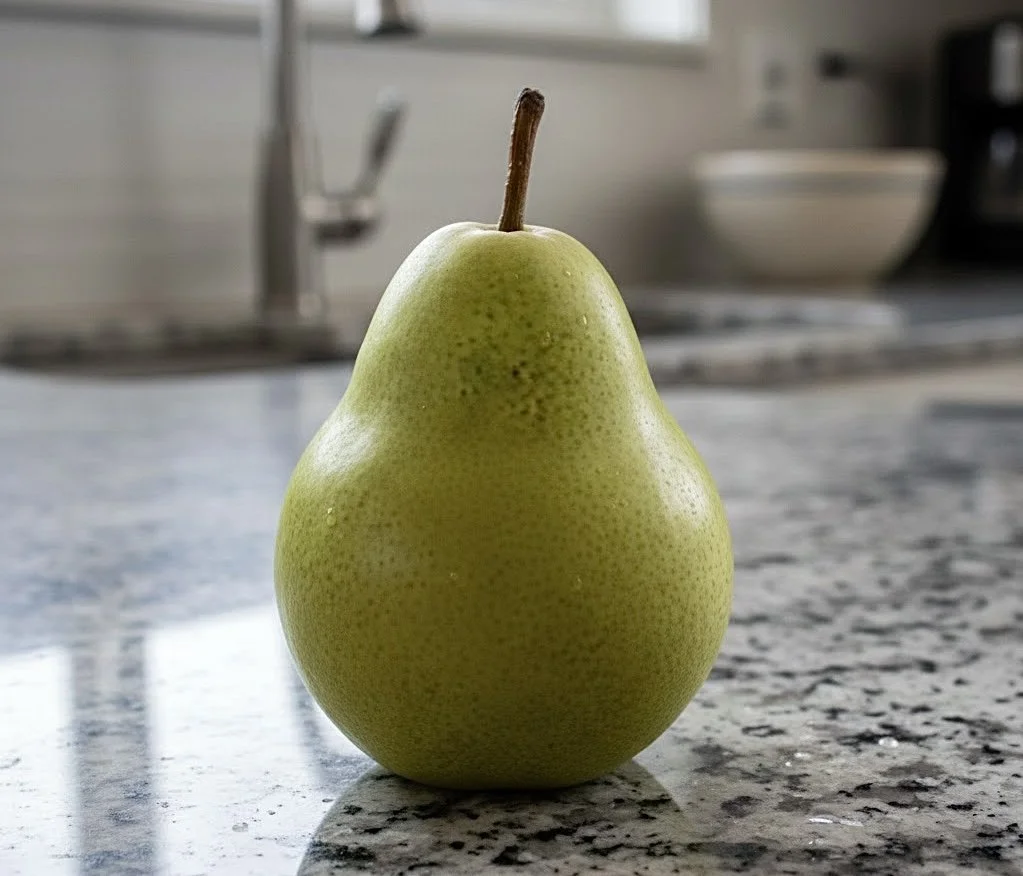
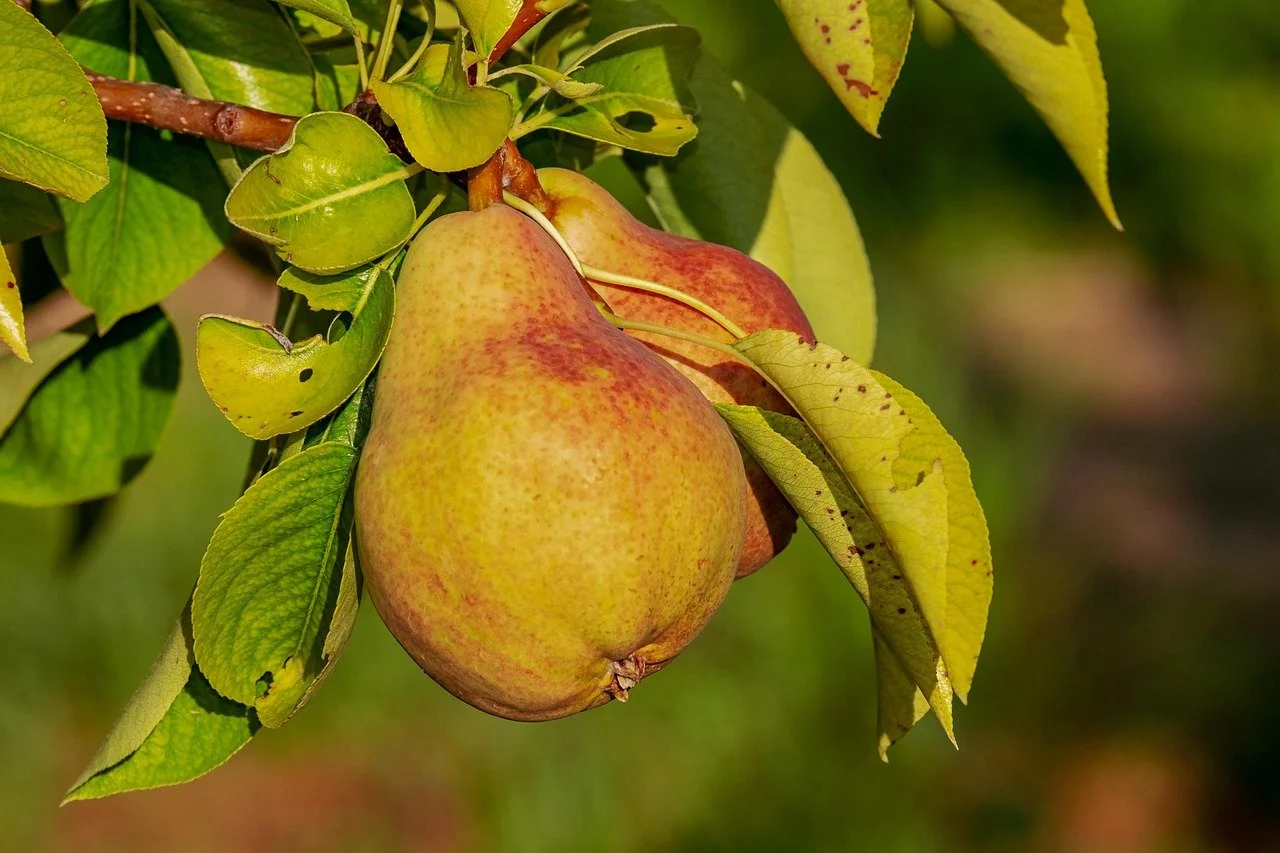
Bartlett – Bartlett pears, also known as Williams, are the most recognizable variety in the United States and are likely the first ones you find in your local grocery store. These classic bell-shaped, European pears are green with a crispy, tangy taste when unripe and turn golden-yellow as they ripen, giving them a soft and juicy texture. Red Bartlett pears are similar, but do not share the same popularity. Red Bartletts are tart when they are unripe and become sweeter once ripened into a bright red color. They are an excellent choice for snacking, canning, and sauces.
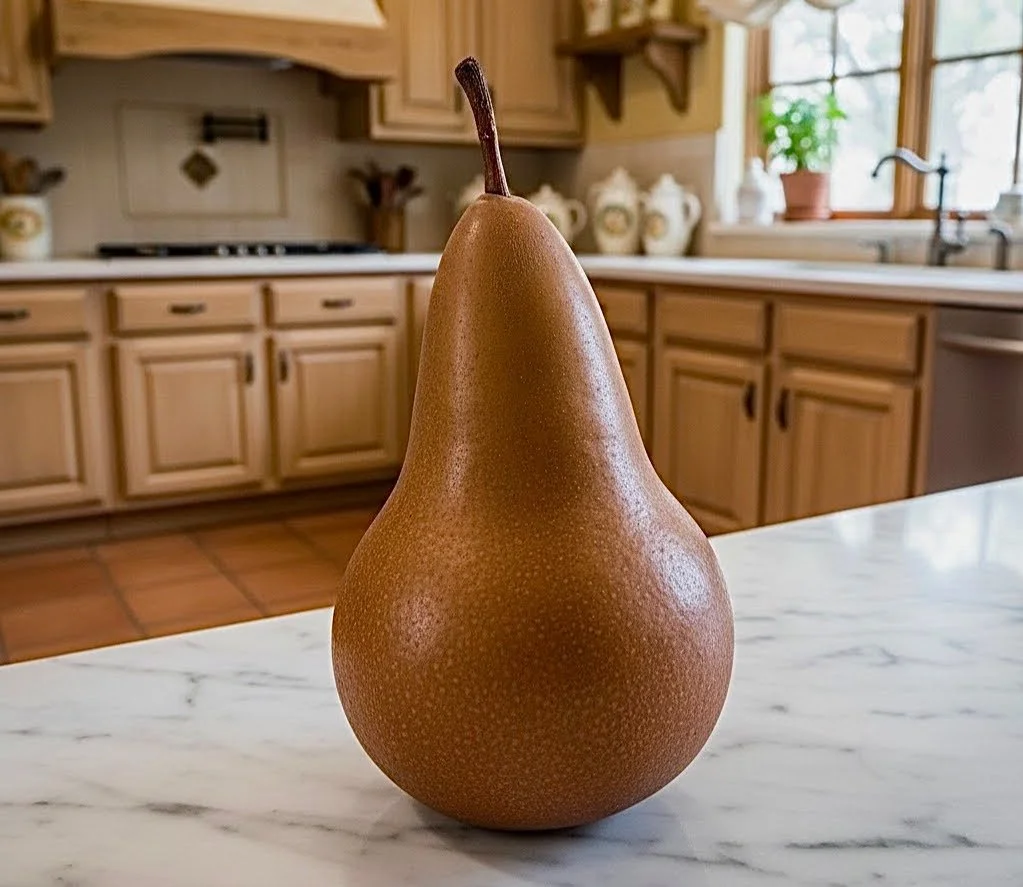
Bosc – Bosc pears are a popular variety commonly used in baked goods and other baked dishes. They are long and slender with a tapered neck and have a honey-like sweetness. They typically range from tan to light brown, and their skin color does not change much as they ripen. Their dense flesh and firm textures makes them perfectly suited for baking and roasting since they hold their structure when heated.
Anjou (Green & Red) – Anjou pears have a short, round, egg-like structure. Green Anjou pears do not change their color as they ripen and maintain their firm shape. They have a slightly sweet, but versatile lemon-lime taste, making them perfect for salads, charcuterie, snacking, and baking. Red Anjou pears have a smoother, juicier texture and sweeter taste than Green and only change to a slightly darker color when at room temperature.
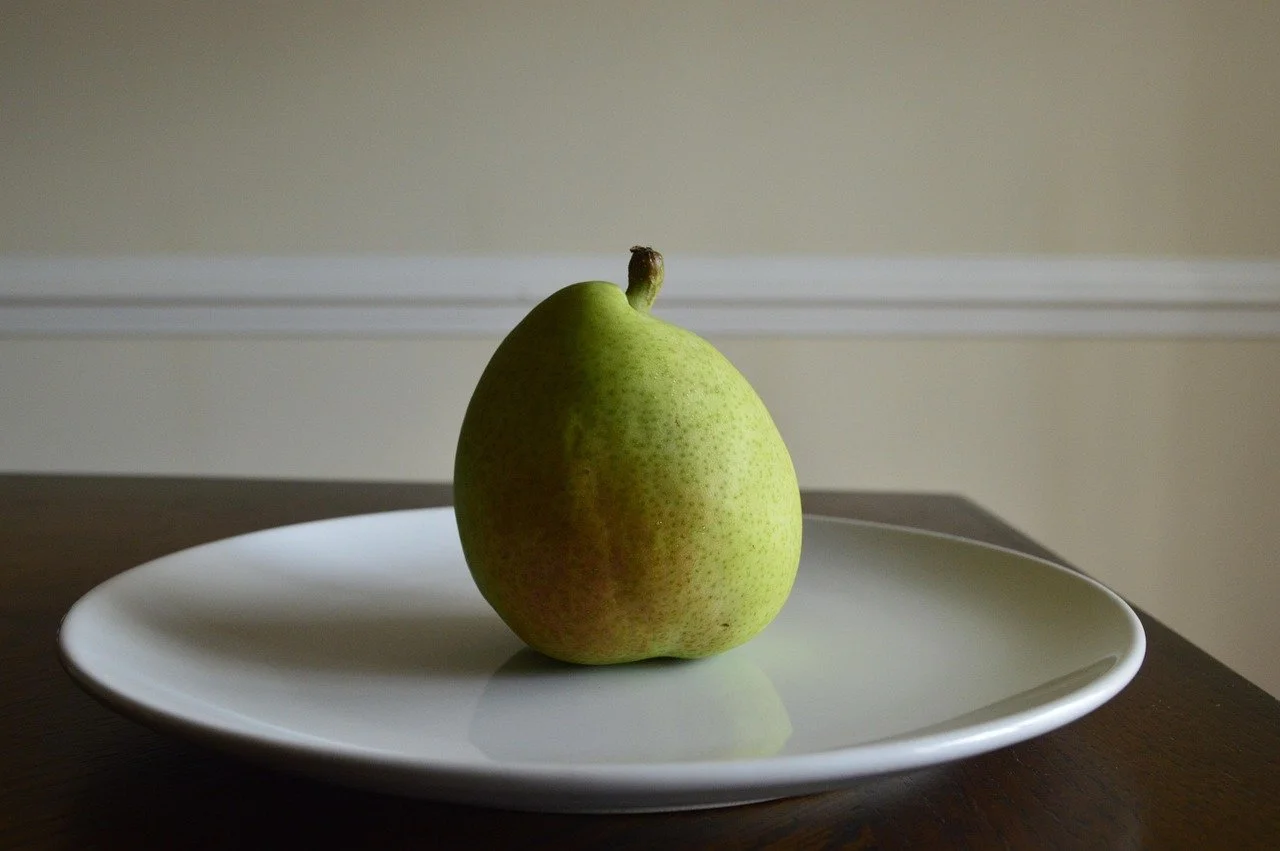
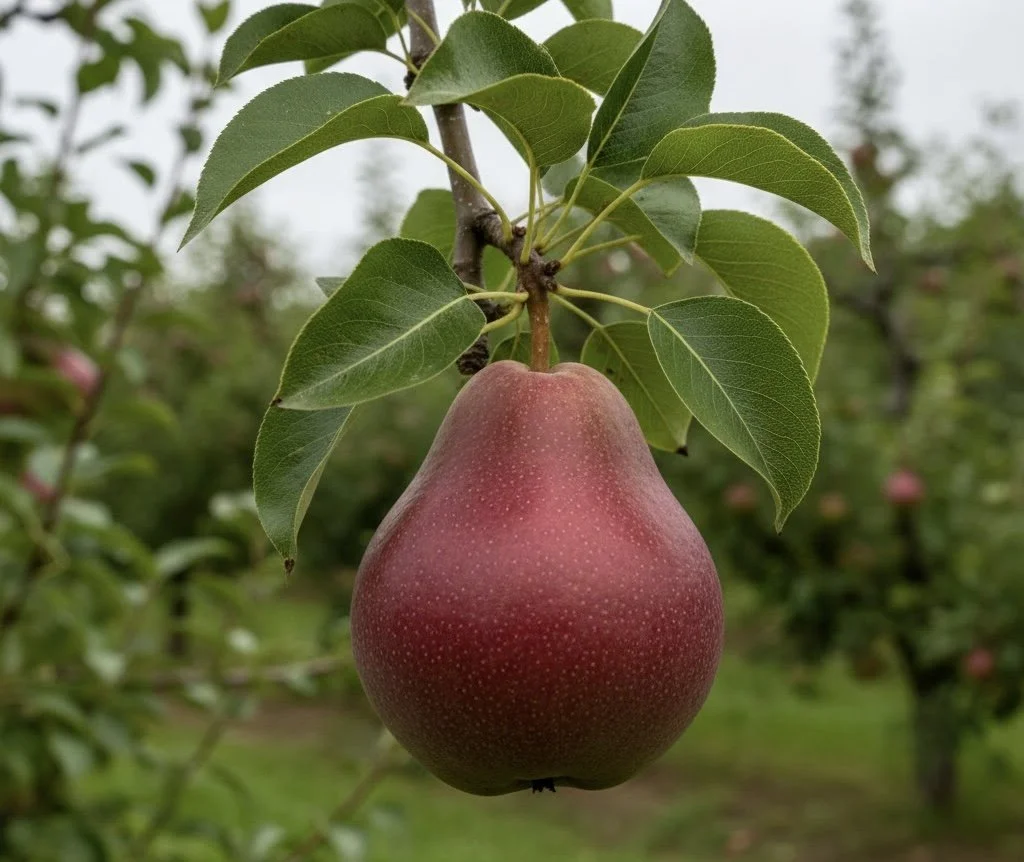
Comice – Comice pears are known for being exceptionally sweet and buttery. These round pears have a soft skin and high juice content, so they bruise easily and ripen quickly. They are best when eaten fresh, making them ideal for desserts and cheese pairings.
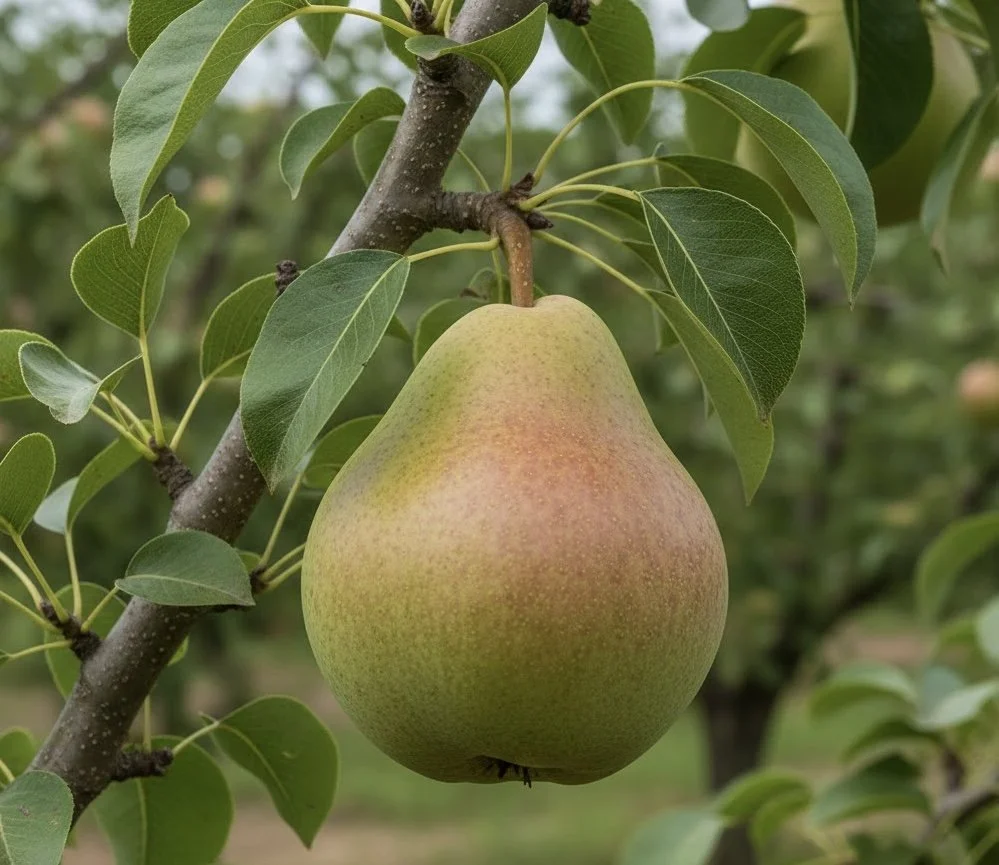
Seckel – Seckel pears are small in size and are known for being crunchy and sweet. They are typically an olive-green color with a dark red blush fading out from the green, sometimes covering most of the pear. They are dense, making them a great choice for desserts, salads, and canning.
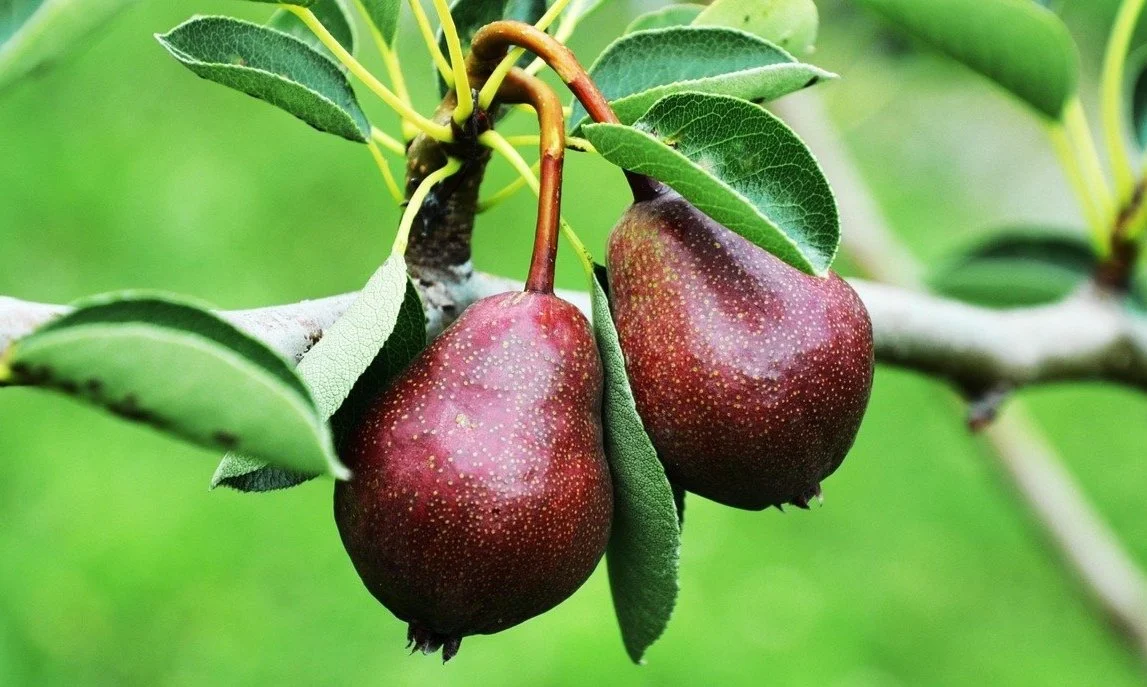
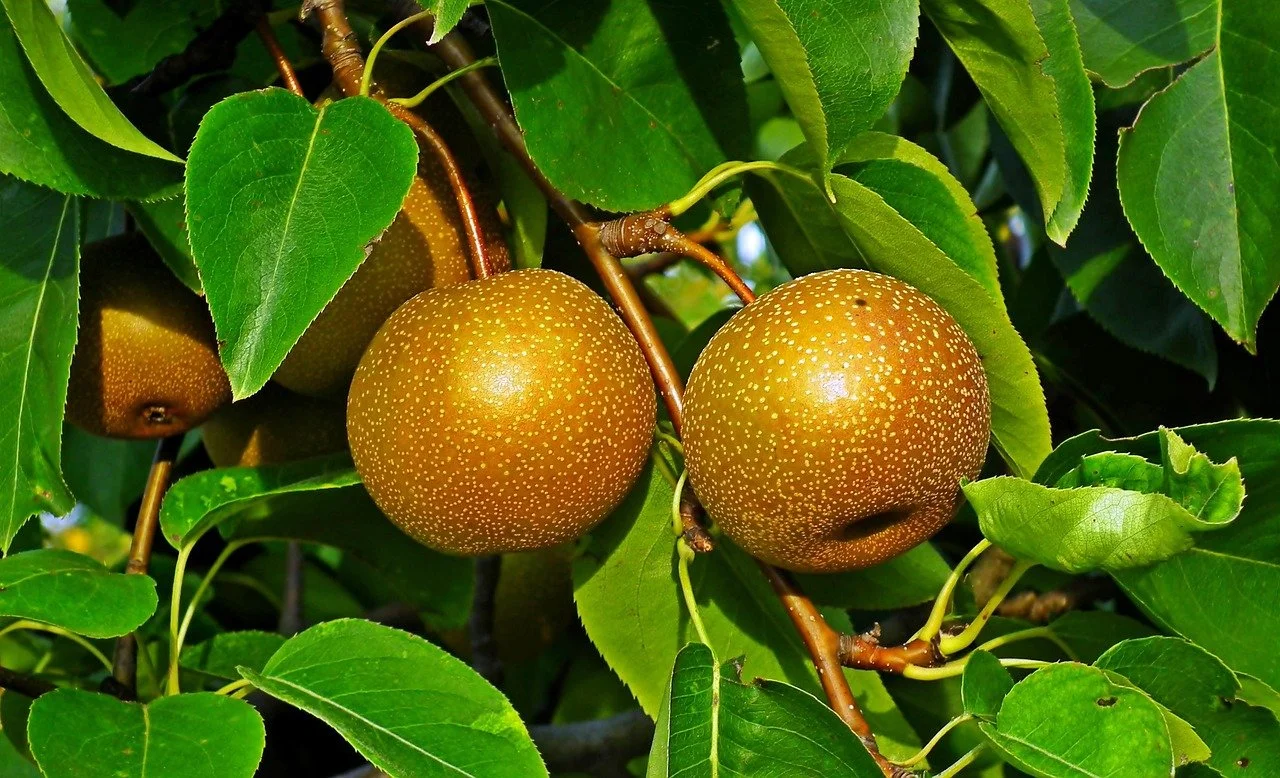
Asian – Asian pears generally refer to a broad grouping of pear varieties rather than a single species. Most Asian pears are mildly sweet and primarily come from parts of China, Korea, and Japan. Unlike European pears, Asian pears are specifically bred to be eaten crisp instead of soft, and do not continue ripening once harvested as they are considered mature. Many Asian pears are round, resembling the shape of an apple, with thick skin ranging in color from pale yellow to golden to russet. Some well known Asian pear types include Housi, Ya Li, Shinseiki, and Nijisseiki.

Pear Ripeness
European pear ripeness is most accurately determined by the neck test, since the neck softens first. Gently press your thumb around the stem to feel the texture. If there is a slight indentation or bounce-back, the pear is ripe. If it feels mushy or too firm, it is likely overripe or needs more time. For Bartlett pears, minor wrinkling on the surface can be a sign of peak ripeness. Asian pears do not soften as a signal of ripeness, but instead should feel hard and heavy for their size. There should be no signs of shriveling or internal browning.
Now that you have an understanding of pear varieties and ripening cues, make sure to incorporate pears into your holiday recipes this winter!