Ed’s Produce: Garlic 101!
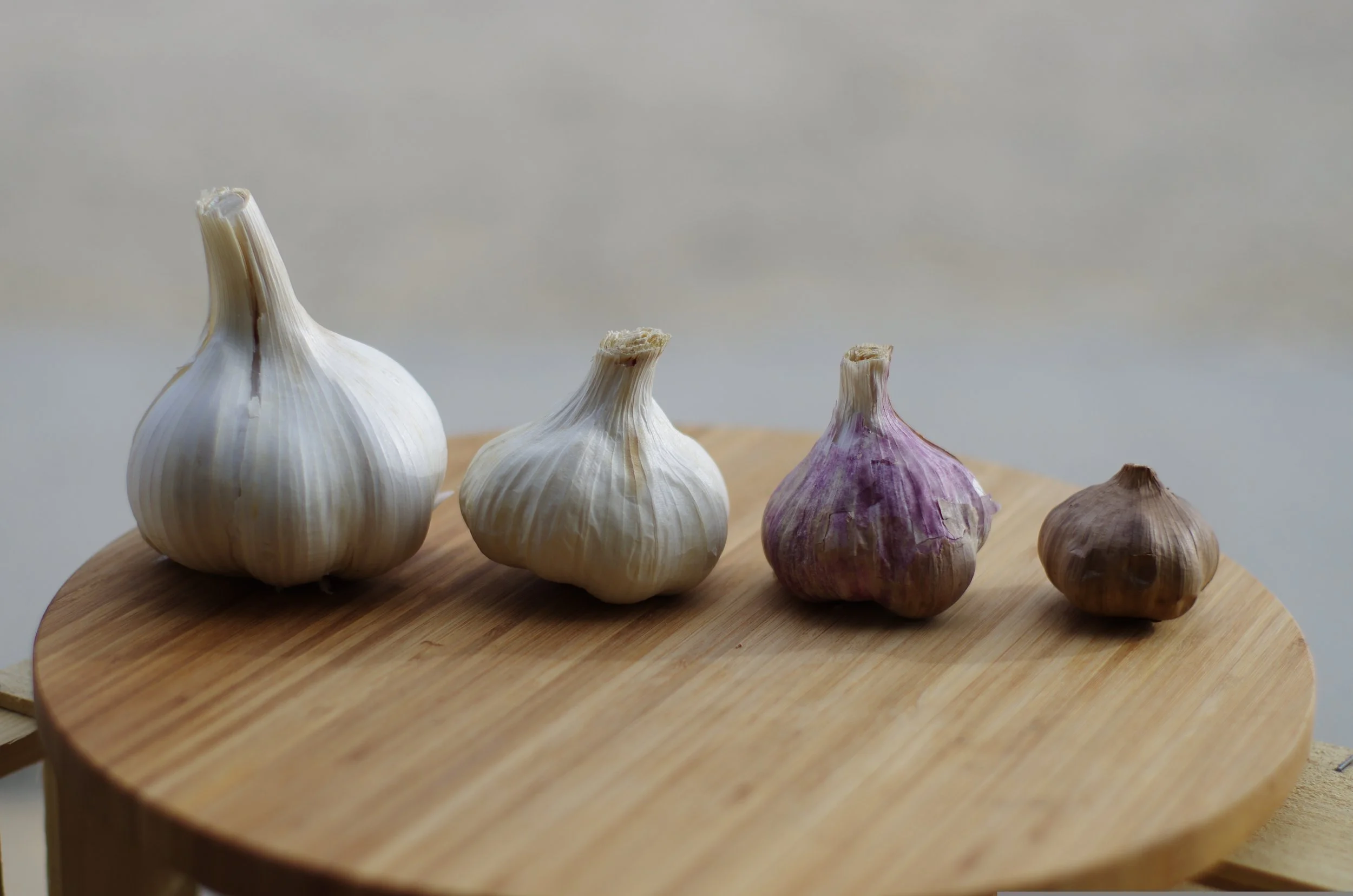
Garlic has been known around the world for centuries and praised for its dense flavor and versatility. It is a staple ingredient in cooking that is relatively easy to grow and some varieties can be stored for long periods of time. The variety of garlic, as well as how the garlic is prepared impacts its flavor.
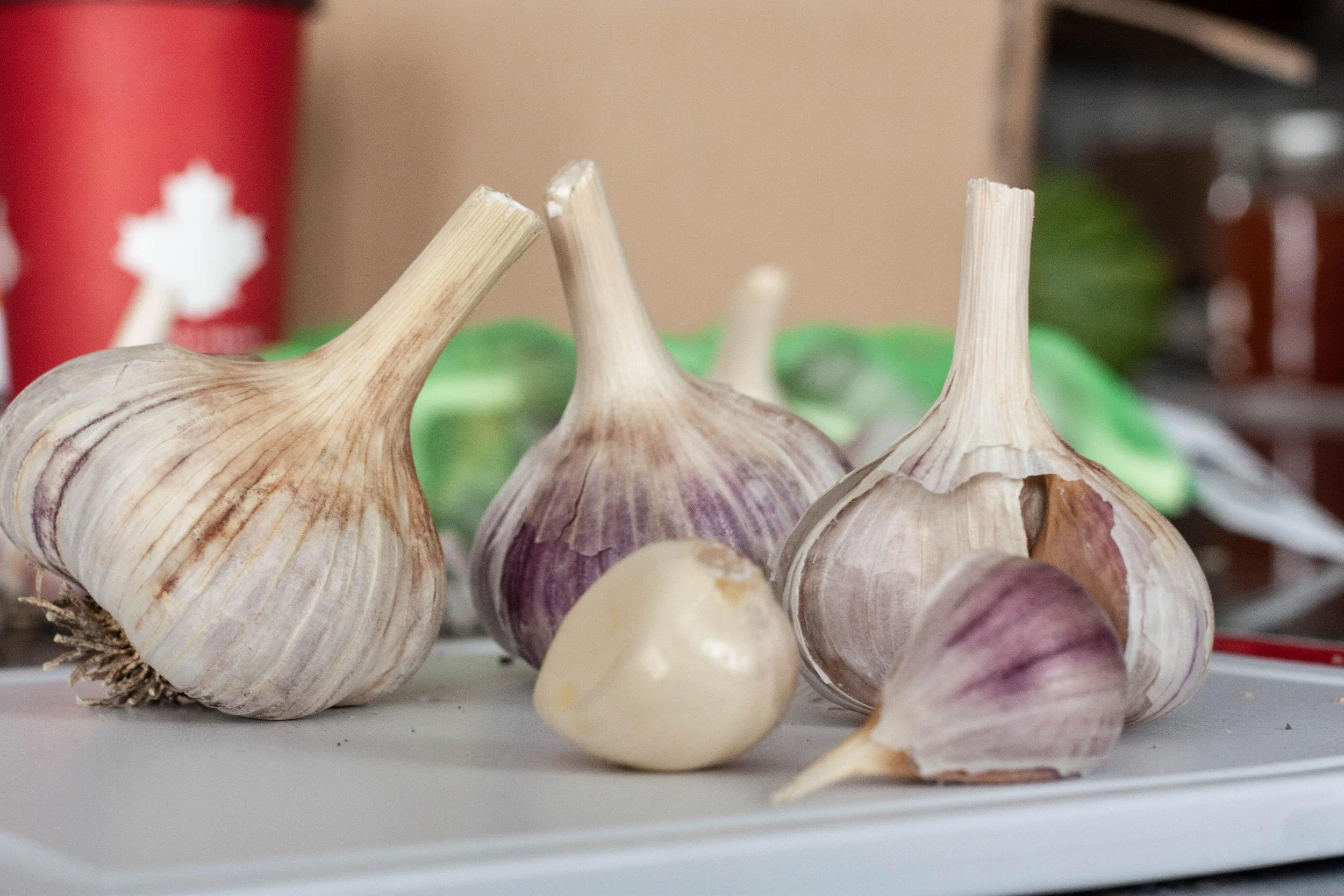
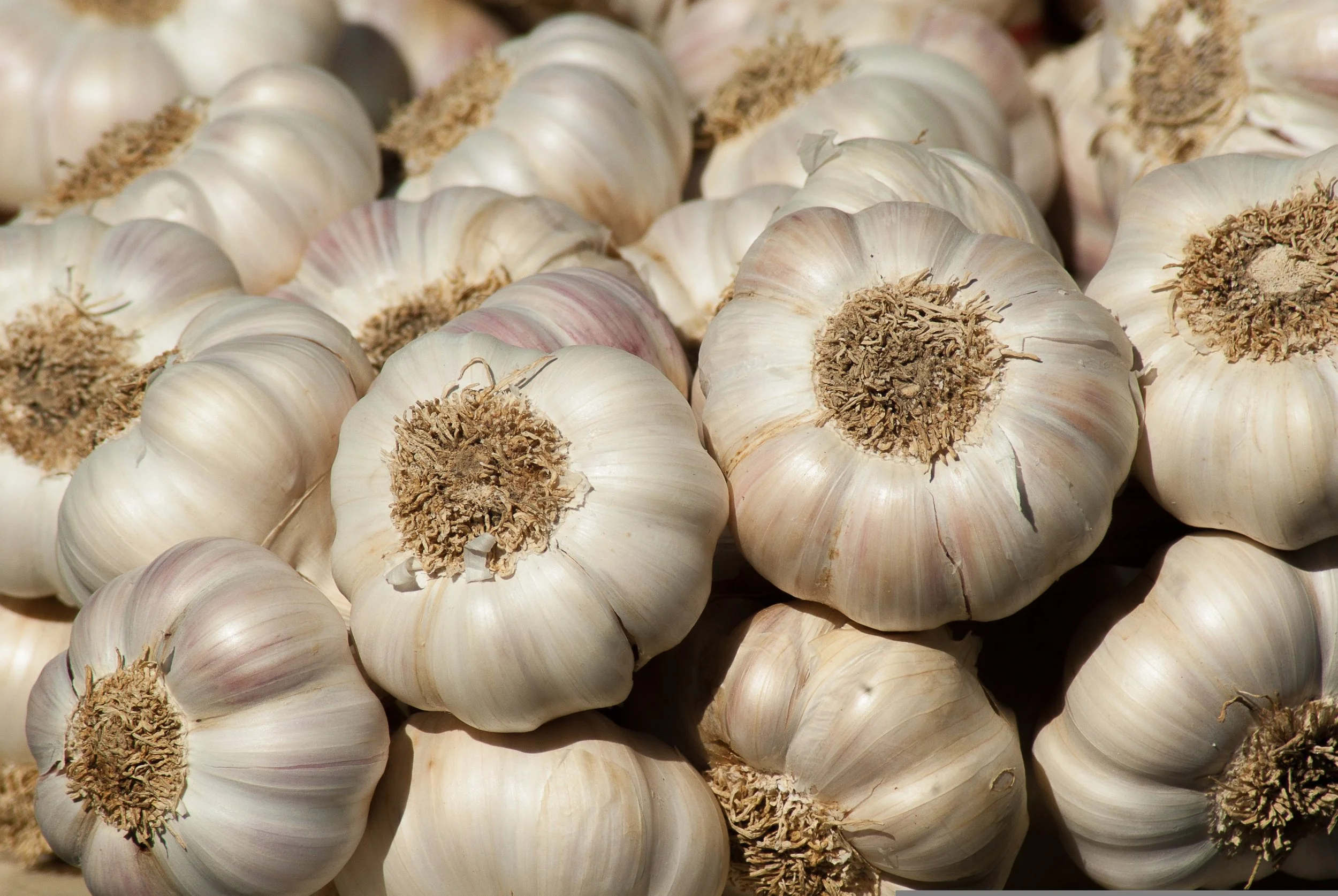
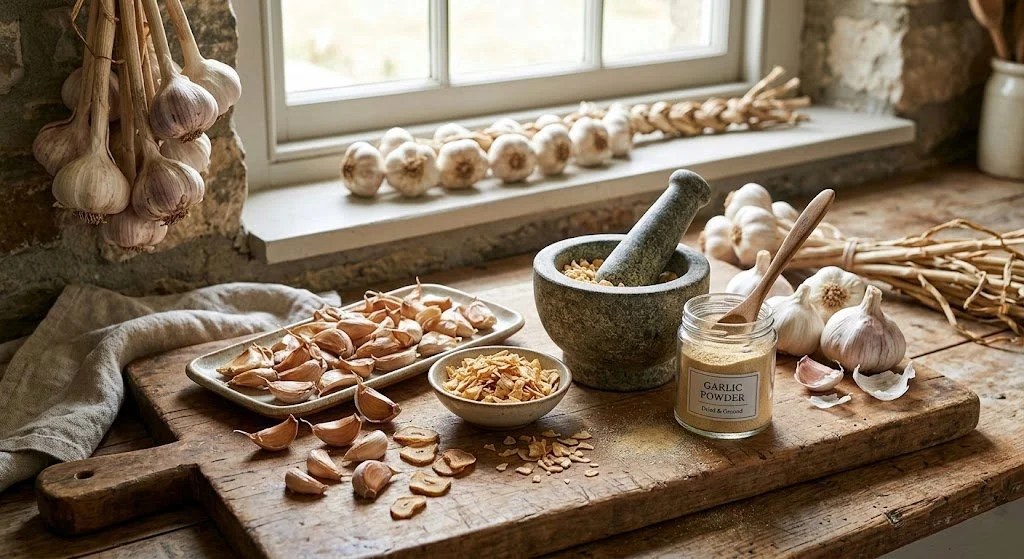
Garlic varieties are divided into two main categories, including hardneck and softneck garlic. Hardneck garlic produces a central stalk, known as a scape, whereas softneck garlic does not. Some common hardneck garlic varieties include Rocambole, Porcelain, and Purple Stripe. Rocombole garlic tends to have a classic garlic flavor and is easy to peel. It has a balanced taste and can become slightly sweet when cooked. It is typically used in sauteeing, roasting, and everyday cooking. However, Rocambole does not keep as long as other types when it comes to storage, lasting only a few months before beginning to deteriorate. Porcelain garlic is known for having large bulbs and having a strong, “hot” flavor. It is typically used in marinades, sauces, or medicinal uses due to its intense flavor. It can typically be stored for up to eight months. Purple Stripe garlic is known for its purple skin and having a sweet flavor when cooked, but a spicy taste when eaten raw. It is often used in dishes where garlic is a prominent flavor. Common softneck varieties include Artichoke and Silverskin garlic. Artichoke is the most common type of garlic and can be found at most grocery stores. Its mild flavor makes it a versatile choice for daily cooking, from pastas to garlic-infused olive oils to stir-fries, and can be stored for several months. Silverskin garlic is known for its long storage life and can typically be stored for up to one year. Because of its firm texture and durability, it is typically used for braiding, as well as dried garlic products.
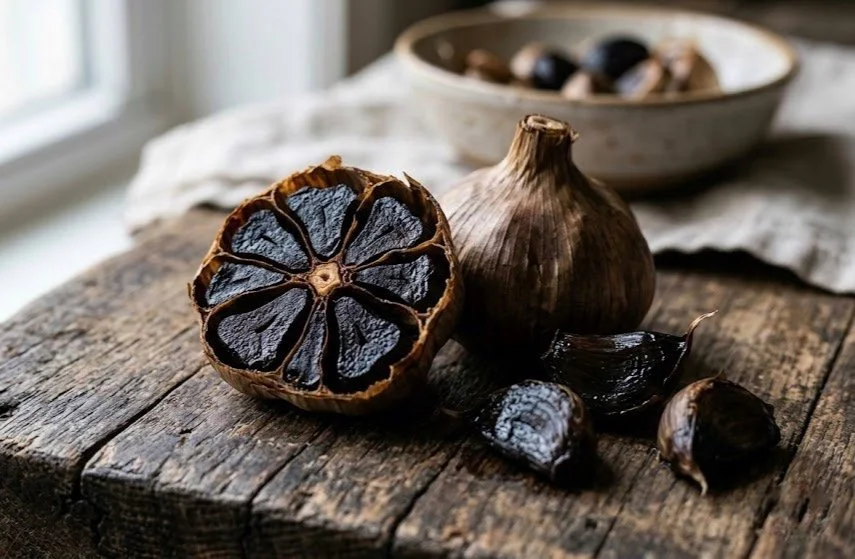
One of the most distinctive types of garlic is black garlic. Black garlic is fresh garlic that has been aged under controlled conditions of heat and humidity for several weeks. The cloves transform into soft, dark segments that have a rich, semi-sweet taste. Its flavor is similar to balsamic vinegar and molasses, a sharp contrast to raw garlic. Black garlic can be used in desserts (like ice cream), spreads, and risottos to name a few. It is high in antioxidants and can be stored for up to six months if refrigerated.
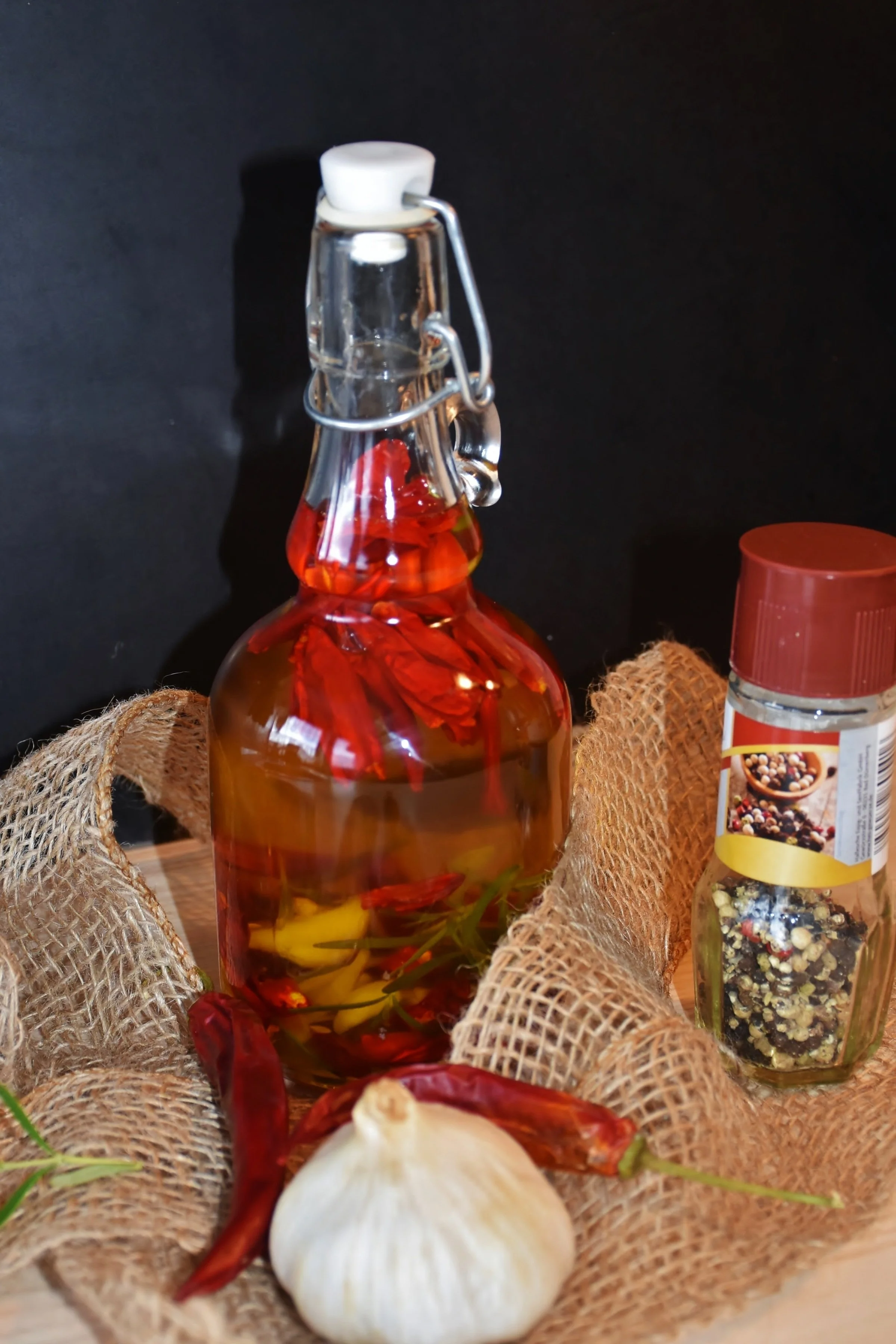
Garlic can be preserved through methods such as drying, freezing, fermentation, and pickling. Drying garlic prevents bacteria growth by removing moisture, effectively extending the shelf-life. Freezing garlic cloves can aid in maintaining flavor and keeping their shape intact. Fermentation involves submerging the peeled garlic cloves in a salt brine with honey, where they stay for anywhere between a few days to a month. The cloves become rich in probiotics, offering a tangy taste that is appreciated in certain dressings and dips. Picking garlic can add an acidic accent when stored in vinegar and the shape of the cloves can remain intact. Garlic oil is made when fresh cloves (and sometimes black garlic cloves) are infused in oil. Herbs and spices such as rosemary and chili flakes can be added for extra flavor. Some uses for garlic oil include being a base for dressings and marinades, since it must be refrigerated and should be used within a week to avoid health risks.
Garlic stands out for its bold flavor and adaptability that continues to be apparent across cultures. Try some of these preservation methods or branch out to a different subtype, but don’t be scared to see garlic in a new light!