April is National Garlic Month!
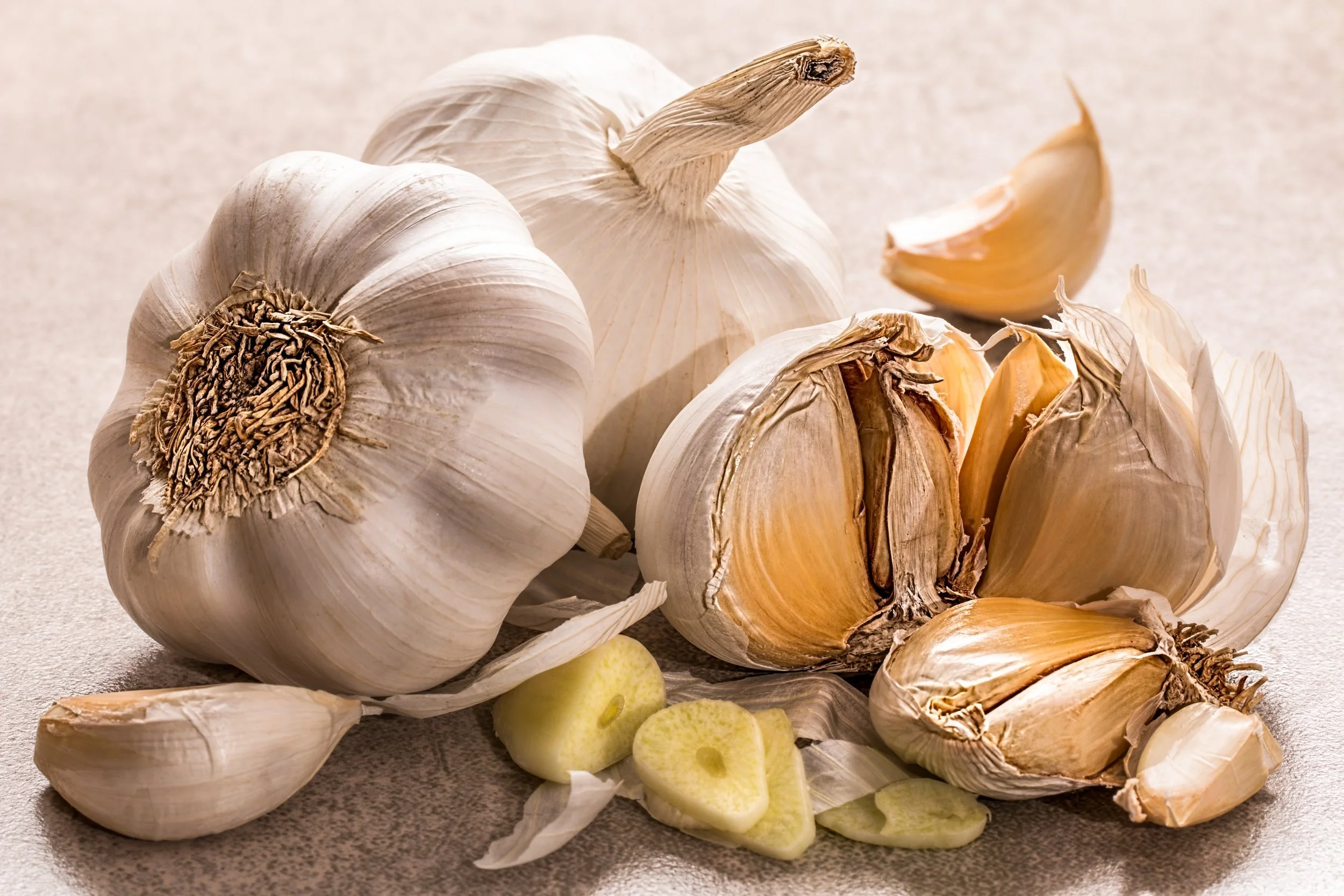
Garlic is a crop that has been around for centuries and is one of the oldest cultivated and influential plants in global cuisine. Its incredible diversity has allowed it to play a significant role in traditional medicine, agriculture, and culinary arts.
Garlic is grown globally with higher concentrations in some regions such as China, which produces most of the world’s garlic at around 23 million metric tons annually, equating to roughly 70%-80% of garlic produced globally. Other main regions include India, Egypt, and Bangladesh. The most prominent region in the United States is Gilroy, California. It only grows wild in what would be considered modern-day Central Asia, with areas including Kazakhstan, Kyrgyzstan, Uzbekistan, Tajikistan, and Turkmenistan, but was believed to have spanned from Western China to India. Aside from being eaten, it was often used medicinally or for improving health and digestive issues. In medieval Europe, an incredibly important use was to ward off diseases. It dispersed through trade routes, such as the Silk Road, and is widely considered a staple crop.
Garlic is a perennial plant that forms bulbs and is part of the onion family. The bulb grows underground and contains cloves (usually between ten and twenty), which are the individual segments. It is planted by the clove, rather than seeds, and each clove produces one full bulb. Garlic requires a long growing period so it is typically planted between September through November. It establishes its roots in the fall then goes dormant during the winter before leaves begin growing and blooming in spring. In early summer, the bulbs begin to expand and the plant is harvested in mid-to-late summer. Garlic thrives in loose, well-drained soil and cold winter temperatures. Once the upper leaves turn green and lower leaves turn brown, the crop is ready to be harvested, where it can then be dried for two to four weeks.
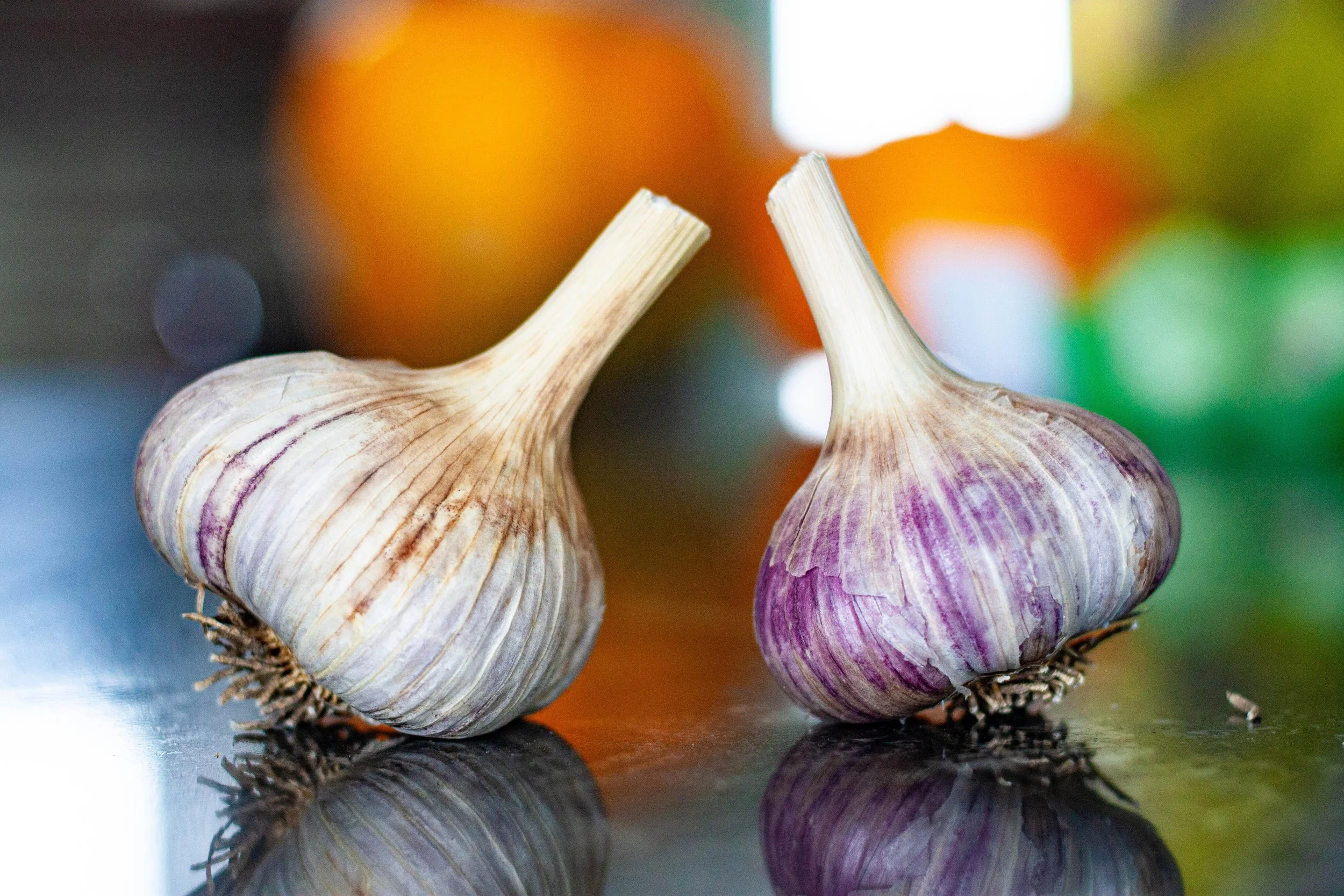
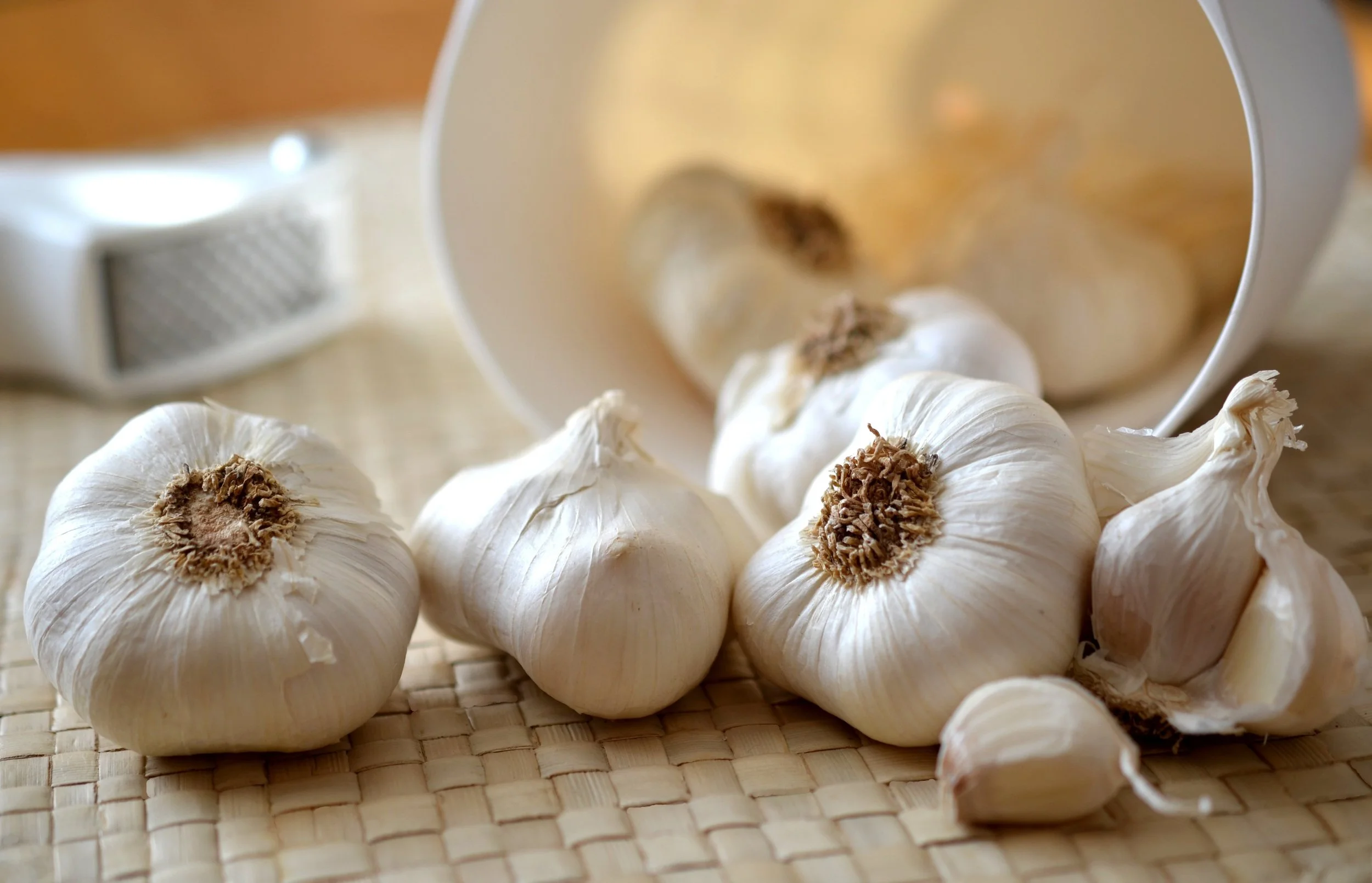
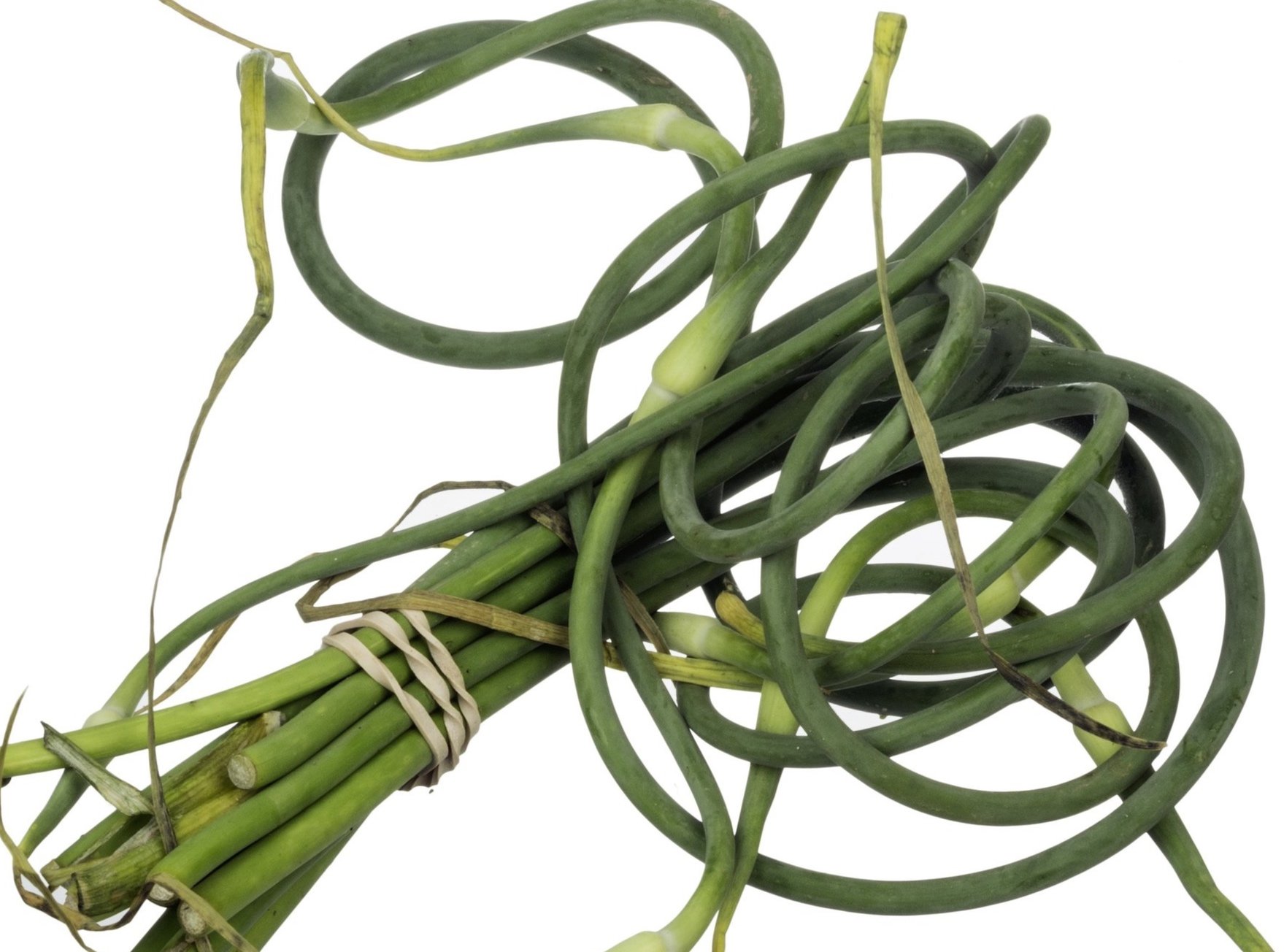
Garlic is divided into two main categories, hardneck and softneck. Hardneck garlic varieties produce a central stalk known as a scape. The stalks produce curly flowering and are harvested before flowering. They have a strong flavor with few, large cloves and are generally better suited for cooler climates. A few popular subtypes are Porcelain, Rocambole, and Purple Stripe. Softneck garlic varieties do not include a central scape and have smaller cloves that are adaptable to warmer climates. These are the most common types of garlic found in grocery stores. A couple popular softneck varieties include Silverskin and Artichoke.
Garlic should be stored in cool, dry, and dark conditions for longevity. Hardneck garlic can be stored for up to six months, while Softneck garlic can be stored for up to one year. Since it can be eaten raw or cooked as well as be stored longterm, there are numerous, versatile uses. Many common food dishes that incorporate garlic include pasta dishes, stir-frys, meat dishes, salad dressings, and sauces to name a few. The scape in hardneck garlic is commonly used in pesto, stir-frys, and special butters.
Today, garlic remains an essential ingredient in culinary arts around the world. Whether cooked or eaten raw, garlic’s longstanding history shows how great of an impact it’s had and continues to have on food culture!