A Taste of Summer: Exploring June’s Seasonal Fruits!
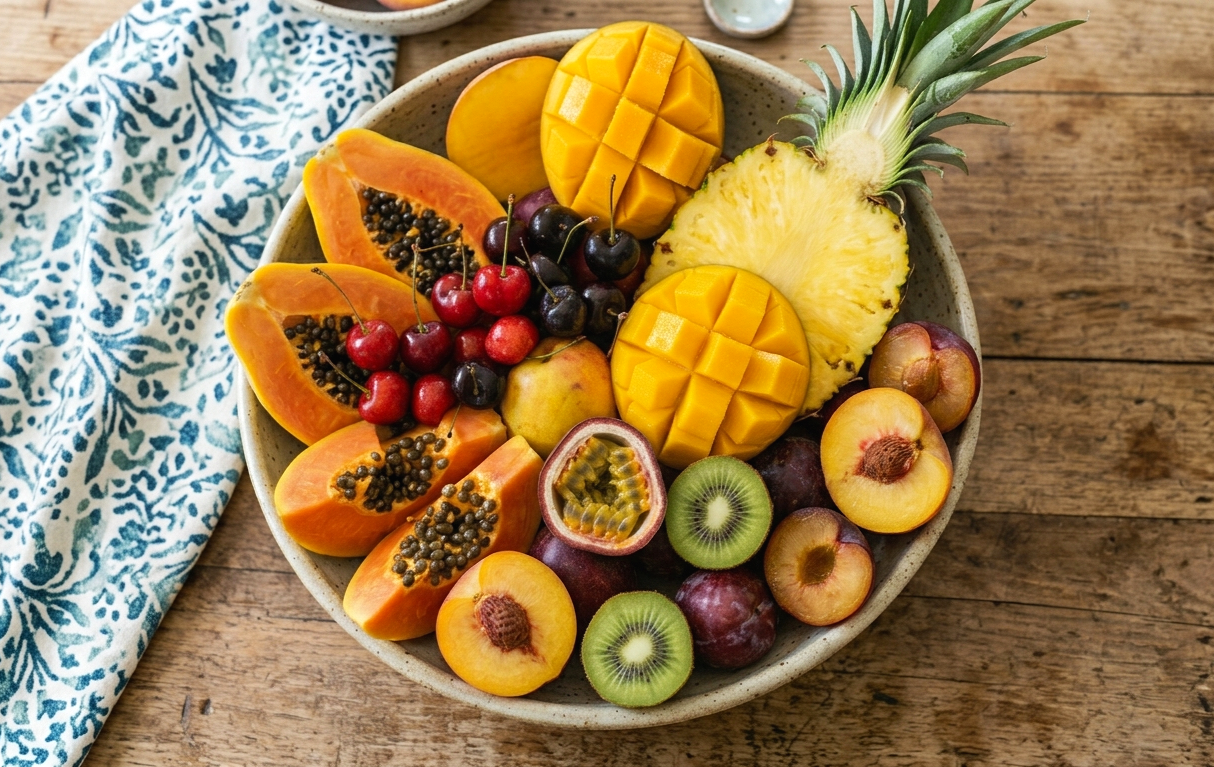
June marks the transition between spring and summer, bringing an abundance of fresh, tropical fruit. Papaya, cherries, and passionfruit are on display this season and offer unique flavor profiles.
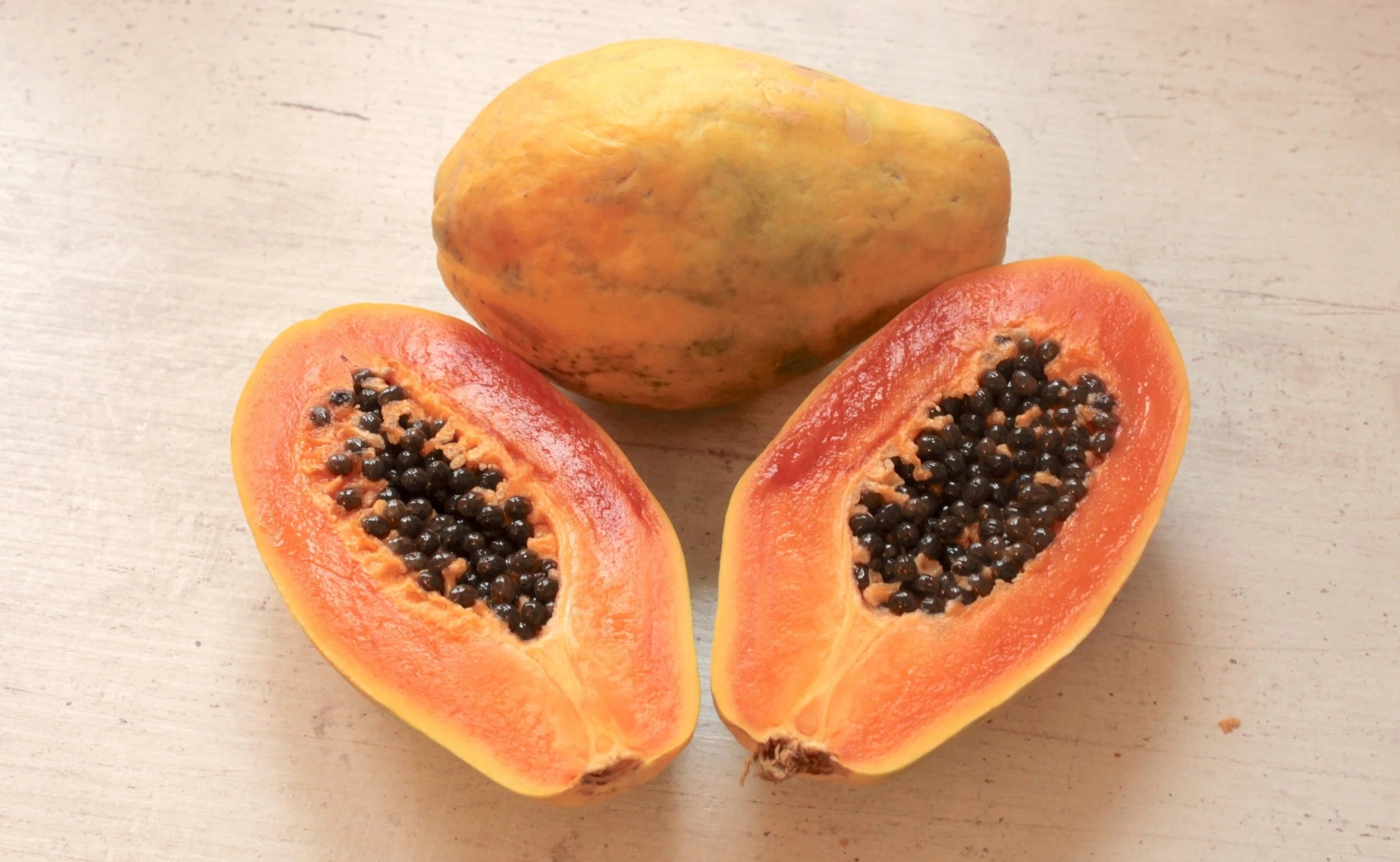
Papaya is known for its vibrant orange flesh and it is believed to have originated in Southern Mexico and Central America. The two most common commercial types are Hawaiian and Mexican papayas. Solo/Sunrise, sometimes known as strawberry papayas, are a small, Hawaiian variety with a sweet flavor that is similar to a mango or peach. Mexican papaya like the Maradol, is known for their larger, elongated features with a slightly sweet flavor. They contain nutritional vitamins like vitamin C and vitamin A, as well as potassium. Papaya also contains the enzyme papain, which helps break down proteins and is even used as a meat tenderizer. Papaya is technically considered a berry since it develops from a single flower and contains numerous seeds. It continues ripening after harvested, so it is often picked when only partially mature to allow for ripening to finish during transport. The fruit is considered ripe when it has developed a yellow or orange coloration and allows gentle pressure. The seeds add a crunchy, peppery, slightly bitter taste to the fruit, but can easily be discarded. When papaya is ripe, it is often eaten fresh, added to salads, blended into smoothies, or used in other sweet and savory dishes.
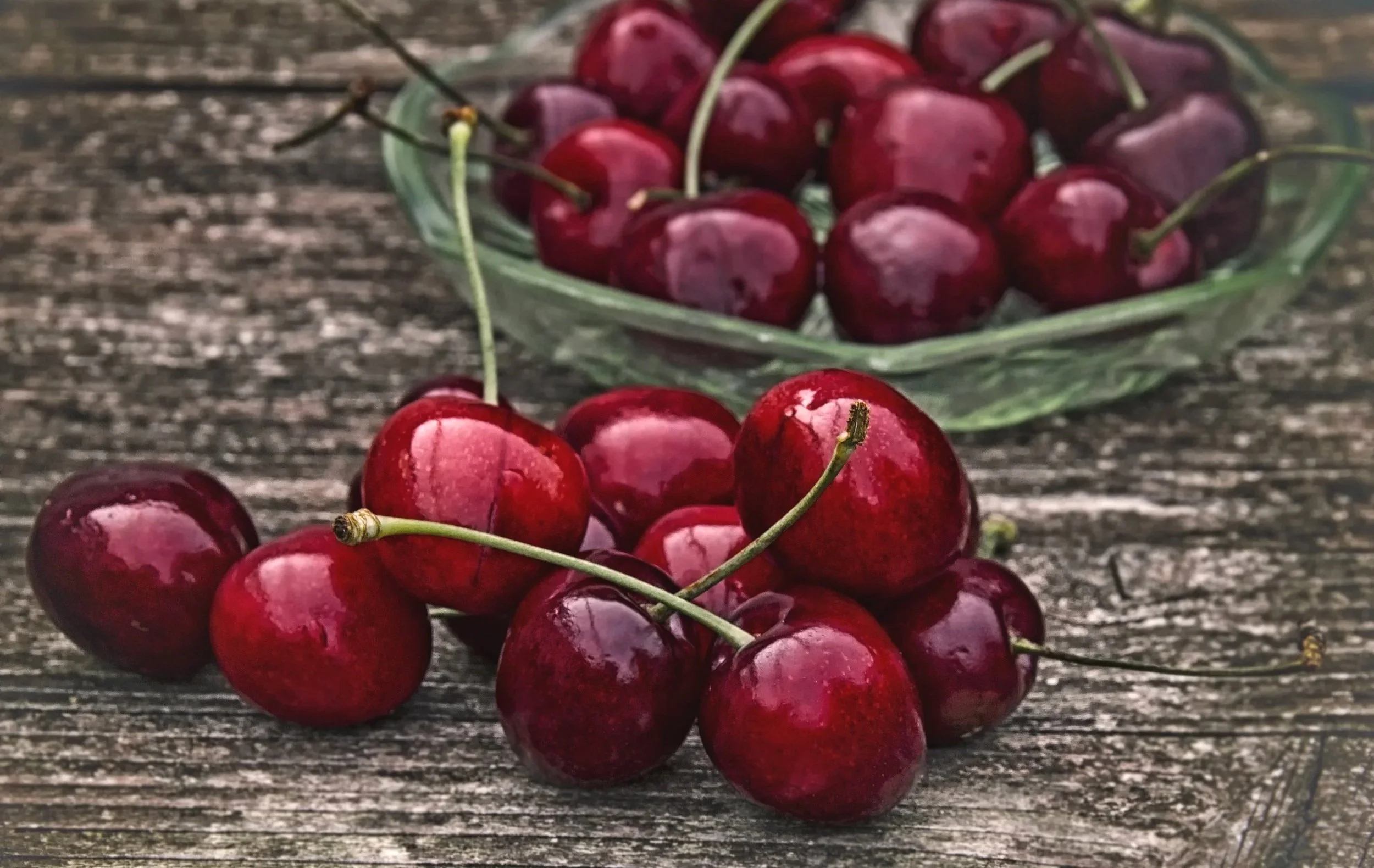
Cherry season is taking over! Cherries are a summer staple known for their striking deep red and purple colors that come from anthocyanins, which are naturally occurring plant pigments that also act as antioxidants. They also contain vitamin C, potassium, and fiber. Cherries are divided into two categories and are classified as sweet cherries and tart cherries. Some sweet cherry varieties include Bing, Rainier, Lapins, and Chelan. Tart cherry varieties include Montmorency and English Morello. Sweet cherries are typically eaten fresh since they have a richer, sugary flavor while tart cherries are commonly used in baking, preserves, and juices. In the United States, many sweet cherries are grown in Washington and California and sour cherries are mainly grown in Michigan. Cherry trees require a period of colder temperatures from distinct seasons to produce the fruit successfully.
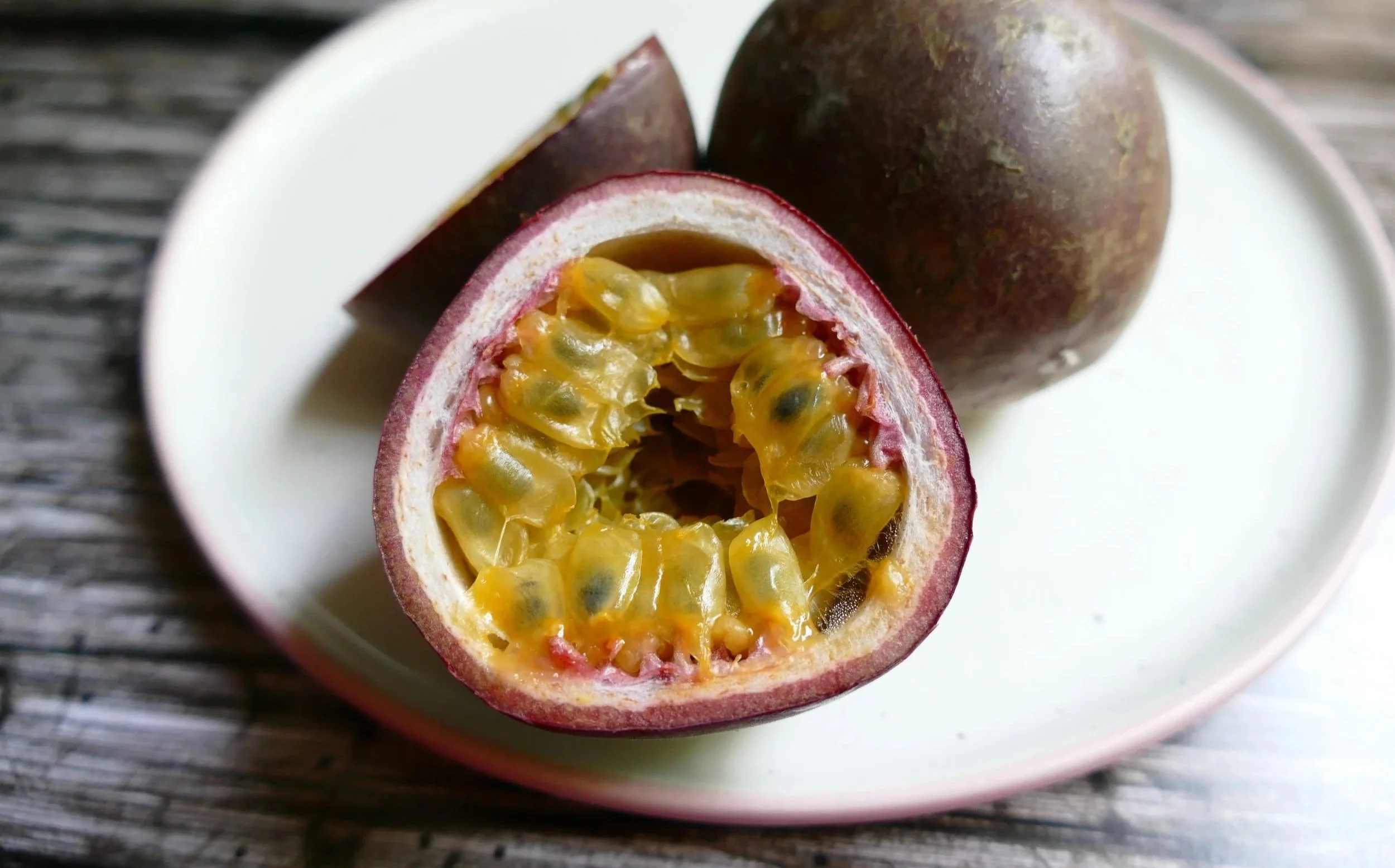
Passionfruit is a tropical fruit that is grown on passionflower vines. It is known for its oval shape and leathery outer rind with an intense aroma when opened. The inside of the fruit is filled with edible seeds and pulp that balance sweetness and acidity. There is a similar taste to pineapple and guava and since the flavor is concentrated, it is frequently used in juices, sauces, cocktails, desserts, and preserves. Passionfruit is an excellent source of fiber, vitamin C. The most common passionfruit varieties are Purple and Yellow. Purple Passionfruit has a dark purple skin with a sweet-tart pulp and is often eaten fresh. Yellow passionfruit is larger and more acidic, making it ideal for juices and commercial food products. Passionfruit thrives in tropical climates with plenty of sunlight and is widely cultivated in Brazil and other parts of South America as well as Australia and various African nations. In the United States, production is primarily in California, Florida, and Hawaii.
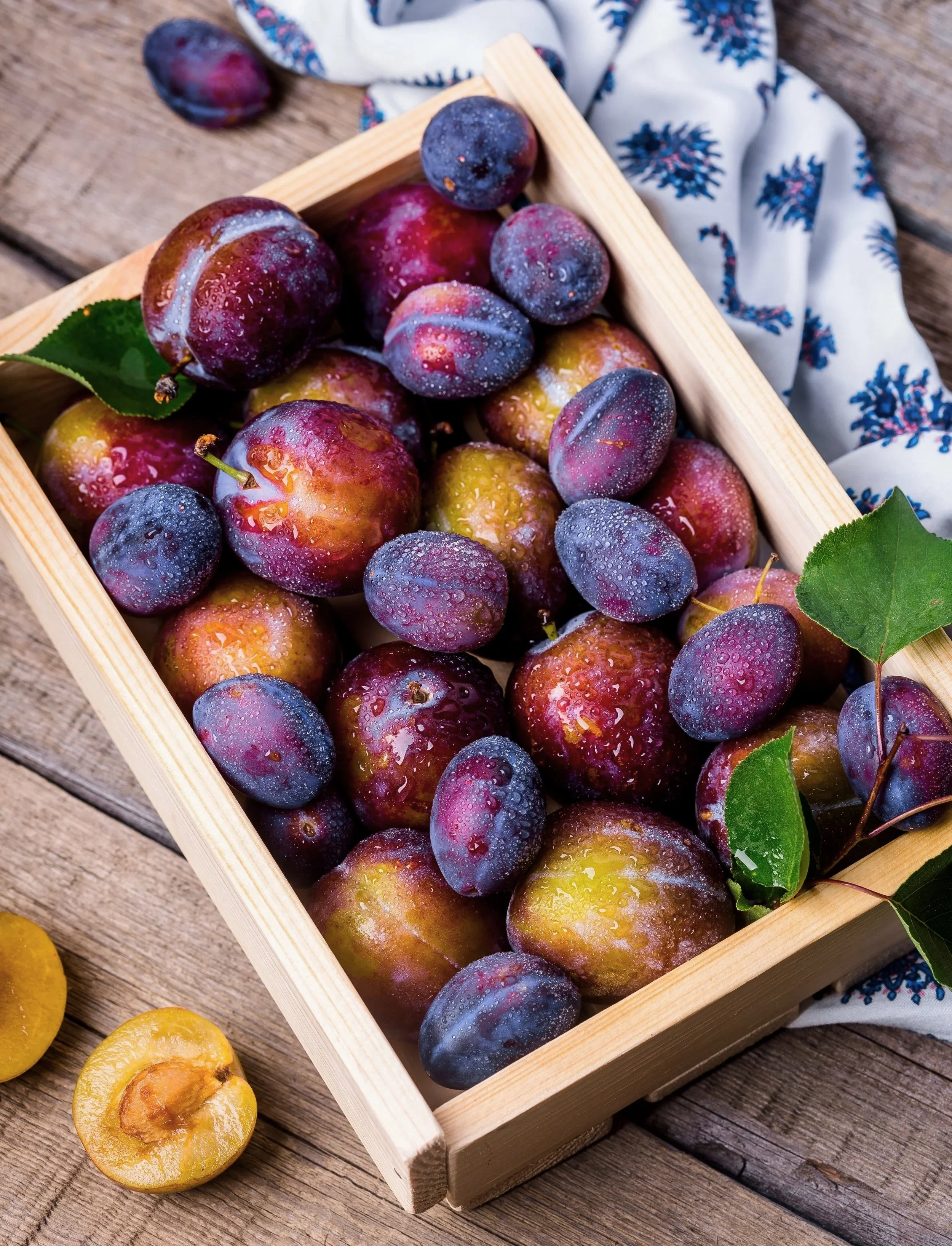
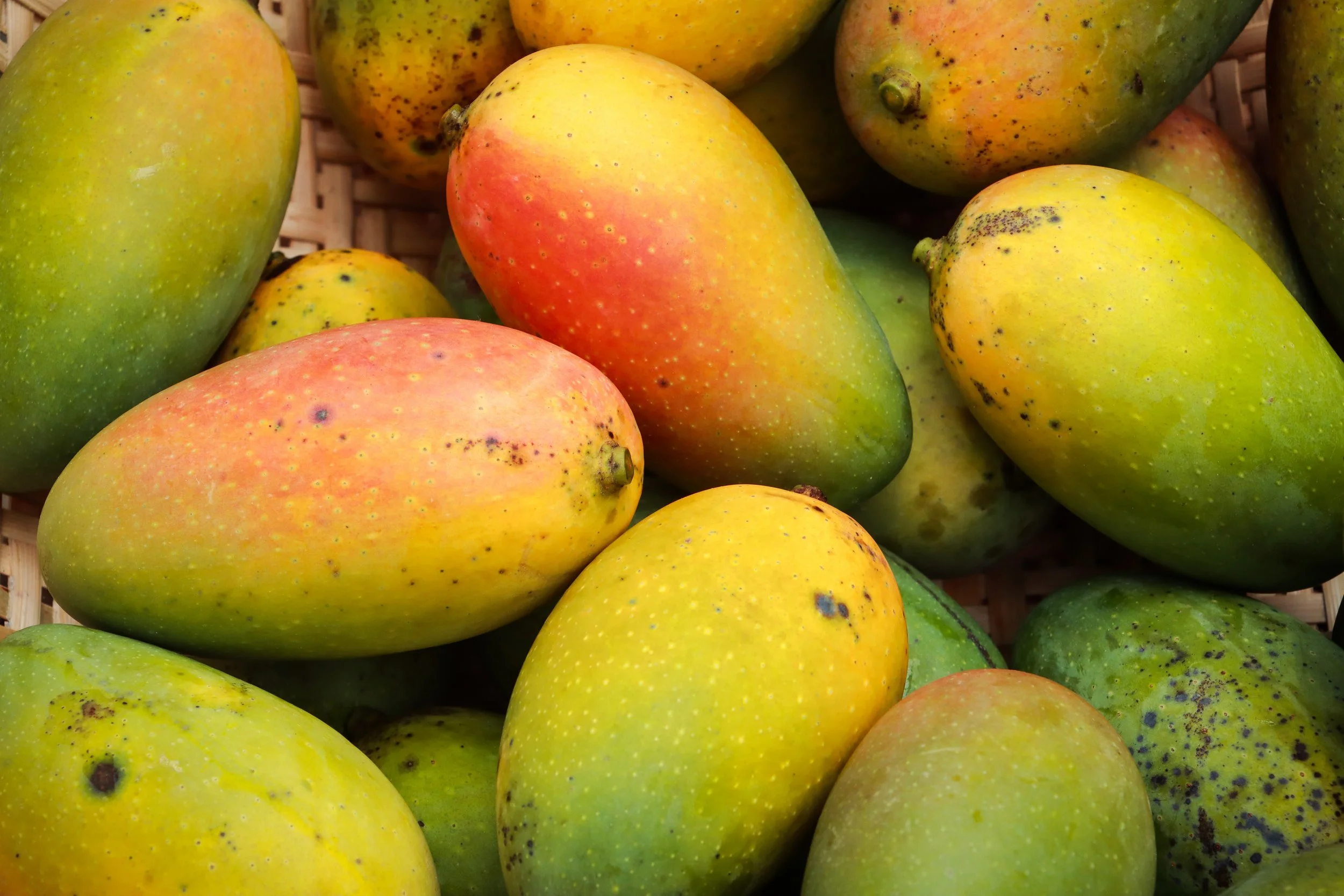
Plums and mangoes are more tropical fruits that are in their prime harvest. Plums are stone fruits that vary in color from yellow to deep red to purple and range in flavor from sweet to tart. They are typically used in desserts, savory dishes, or eaten fresh. Mangoes are among the world’s most widely consumed tropical fruits and are native to South Asia. They have a sweet, citrusy flavor and are extremely versatile. Common uses include fresh dishes, desserts, smoothies, sauces, and savory dishes. Both fruits contain vitamin C and are rich in antioxidants.
June showcases a diverse mix of seasonal fruit from the tart flavor of cherries to the sweet taste of papaya to the balanced, refreshing taste of passionfruit. Whether enjoyed fresh, blended, or added into dishes, these tropical fruits offer valuable nutrients and remain versatile for any style!