Ed’s Produce: Grapes 101!
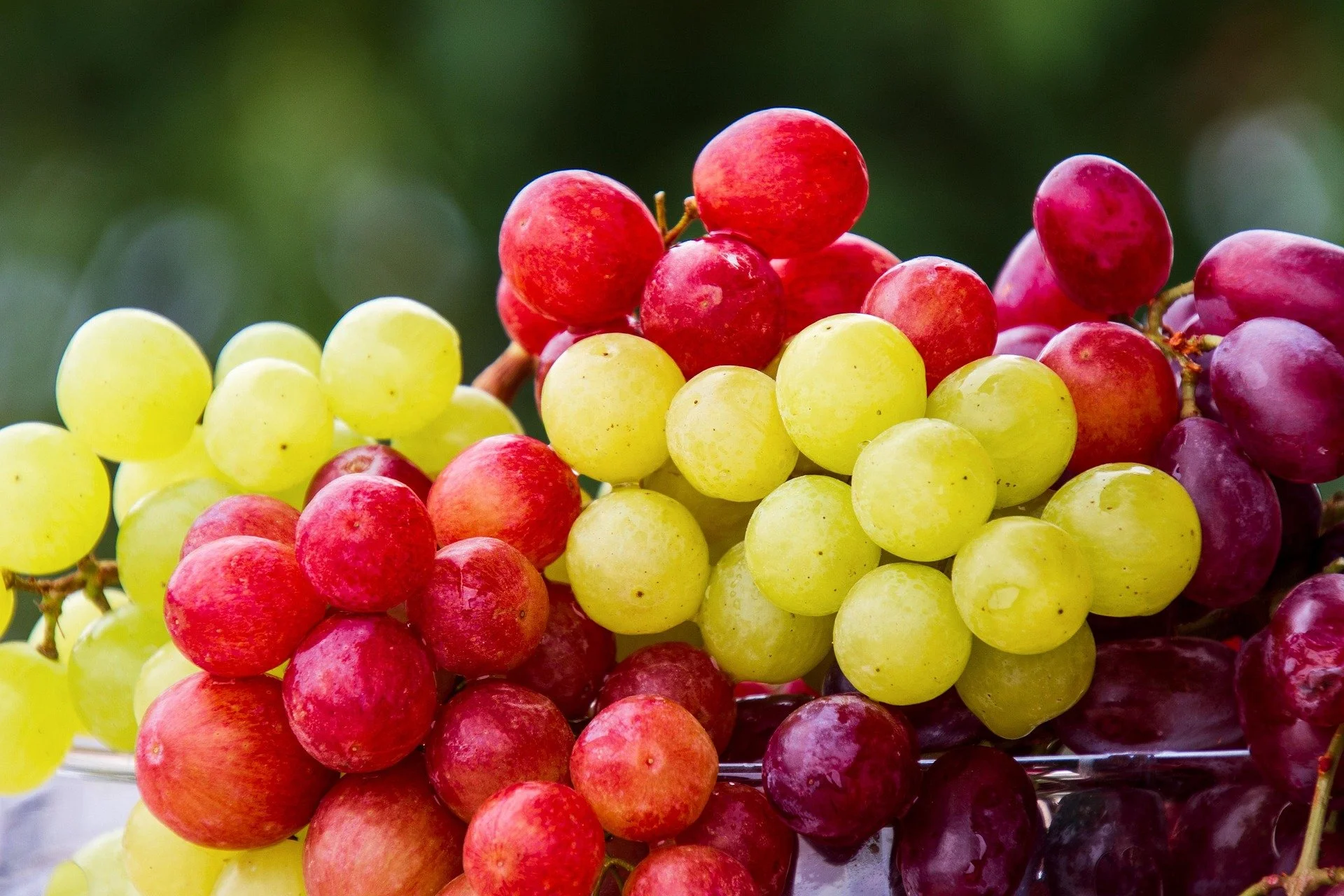
September marks the peak harvest for grapes! Grapes are typically harvested between late summer and early fall, after a long growing season. Although their harvest may be at a similar time, grape varieties can dramatically differ in taste, color, texture, shape, and use. Some grapes are better for eating fresh, while others are grown specifically for juicing, drying, and preserves. Did you know grapes are botanically considered berries? They develop from a flower with seeds surrounded by fleshy tissue, fitting the scientific criteria of a true berry! Grapes are broadly categorized into two main groups, including table and wine grapes. It is important to note the distinction between table grapes and wine grapes to avoid confusion when it comes to picking the best variety for each occasion. This month particularly highlights Concord grapes along with wine varieties since their growing cycle requires long periods of warmth and sunlight to fully ripen. Some of the most popular table grape varieties in the United States include Concord, Thompson Seedless, Flame Seedless, Red Globe, Autumn Royal, Crimson Seedless, Moon Drop, Niagara, and Cotton Candy. Popular wine grapes include Chardonnay, Riesling, Cabernet Sauvignon, Pinot Noir, Muscat, Syrah, and Merlot.
Which grape is best for each job?
Table Grapes
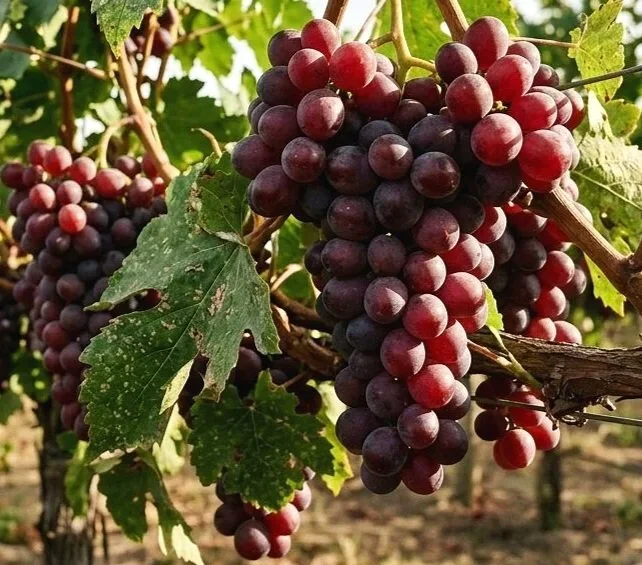
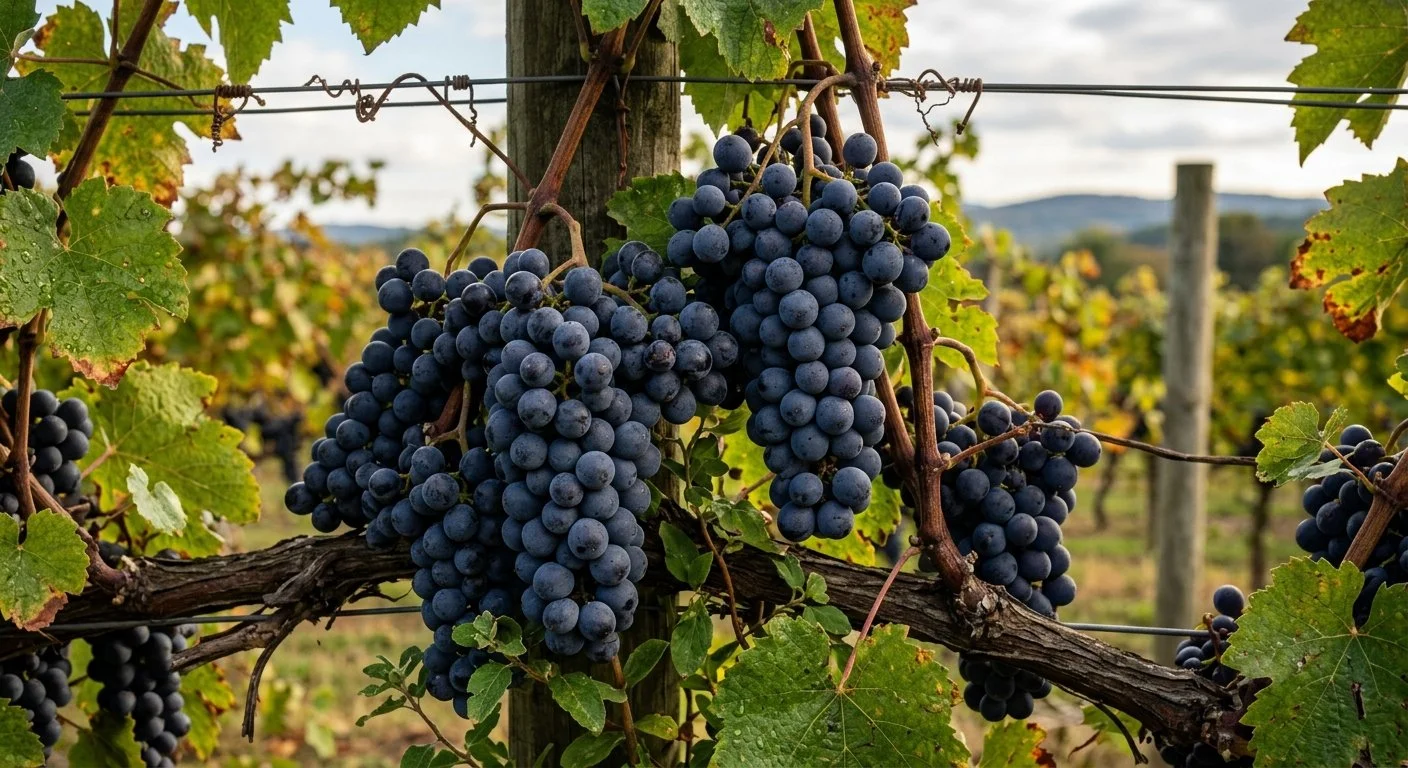
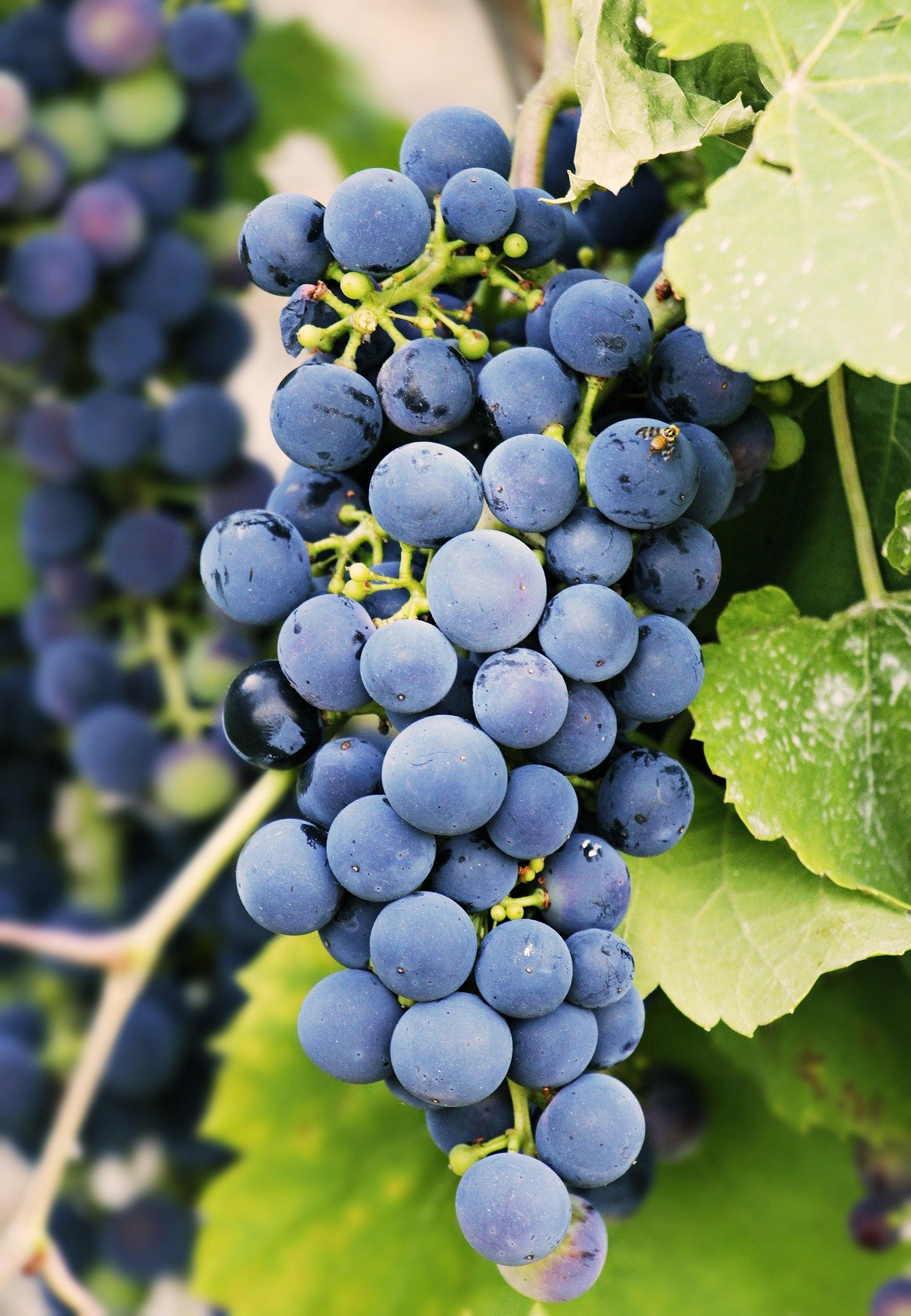
Concord: This is a classic North American grape that features a deep blue color and slip-skin. They are high in antioxidants, have an intense aromatic sweetness, and can smell musky at times. These high-yield grapes produce abundant clusters that are frequently a part of the processing/juicing category.
Best for: Jelly, Grape Juice, Pies, Preserves
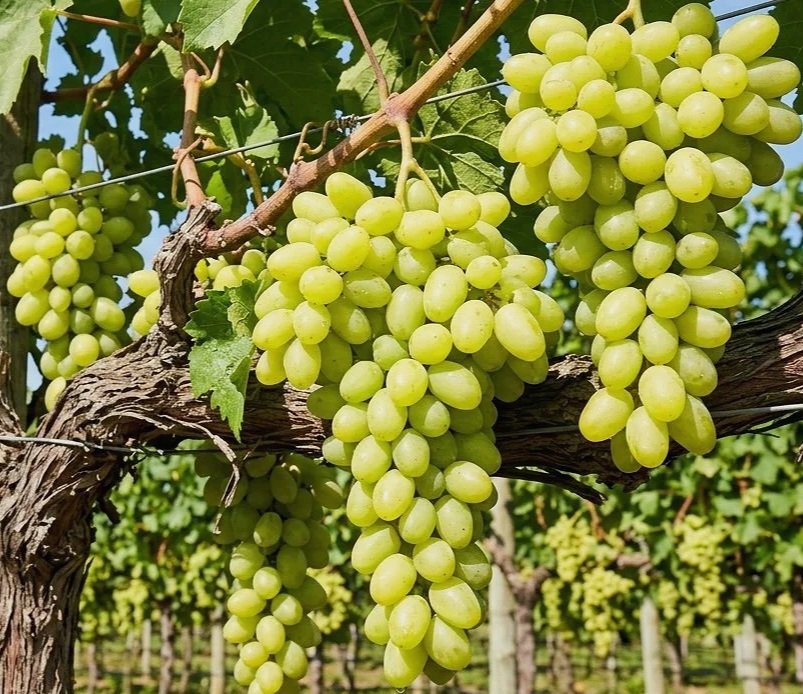
Thompson Seedless: These are firm, pale green grapes that hold their elongated shape. They have a balanced sweet-tart taste and high sugar content.
Best for: Snacking, Raisins
Flame Seedless: These light-red grapes are round and have a firm texture, giving them a crispy, juicy bite. These are mildly sweet and are commonly found in supermarkets.
Best for: Fresh Snacking, Charcuterie Platters
Red Globe: These table grapes are a seeded variety known for their firm, dark-red skin and plump size. Their taste is moderately sweet, but can become bitter if the seeds are bitten into.
Best for: Garnishes, Charcuterie Platters
Autumn Royal: These are large, seedless grapes that often harvest later in the season due to requiring extended periods of time on the vine. Their color can range from deep purple to black, and they have a sweet, crisp taste. Their firm texture holds shape well when sliced.
Best for: Fresh Snacking, Frozen Desserts
Crimson Seedless: These bright red grapes are mildly tart and offer a crisp, refreshing bite.
Best for: Charcuterie, Salads
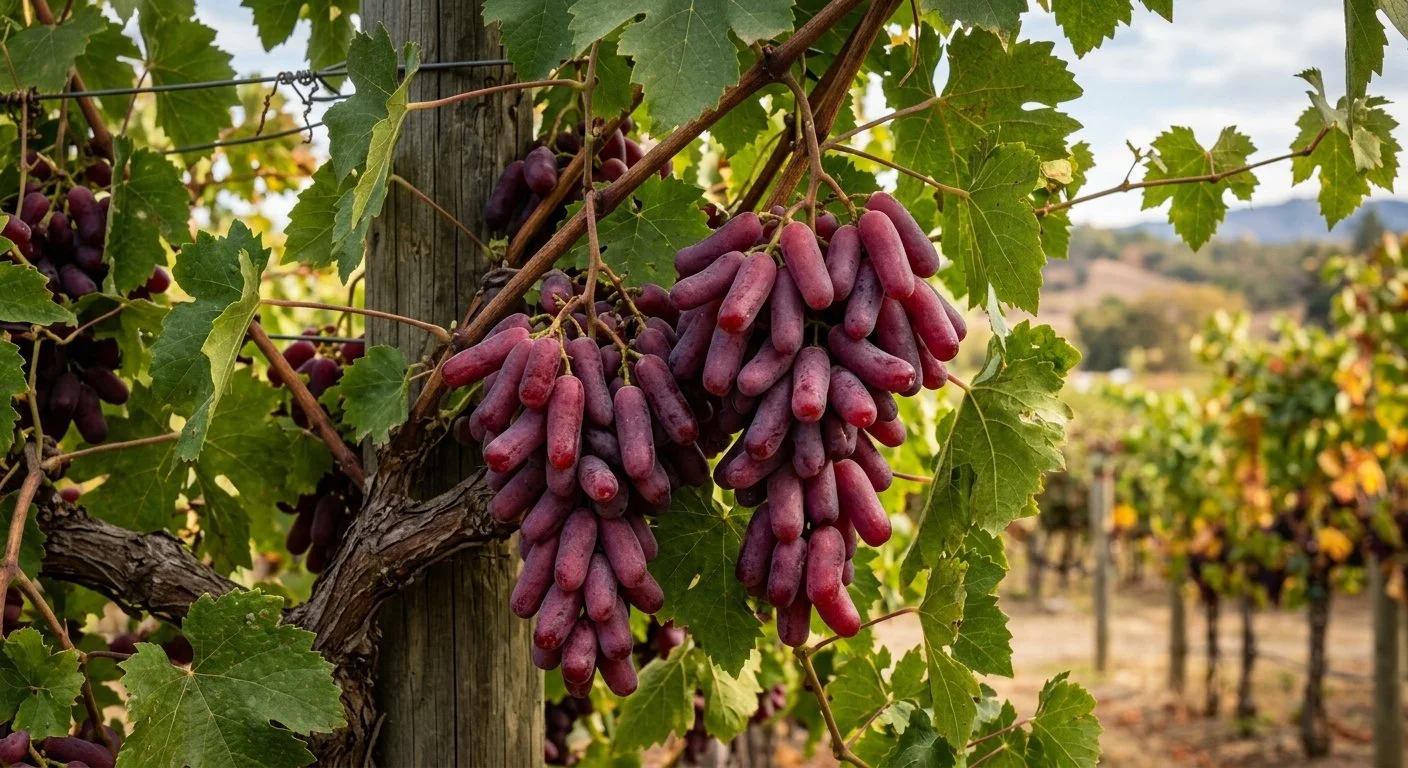
Moon Drop: These seedless grapes are known for their uniquely elongated shape and dark purple-black color. Because of their firm texture, they can easily be split in half without losing their structural integrity.
Best for: Charcuterie, Roasting
Niagara: This variety has a sweet and slightly floral taste, with an overall flavor profile similar to Concord grapes. Their structure is similar to Concord, making them a perfect choice for juicing and other processing.
Best for: White Grape Juice, Jelly
Cotton Candy: These green, treat-like seedless grapes are cross-bred for a sweet flavor with notes of sugar and vanilla.
Best for: Fresh Snacking, Desserts
Wine Grapes
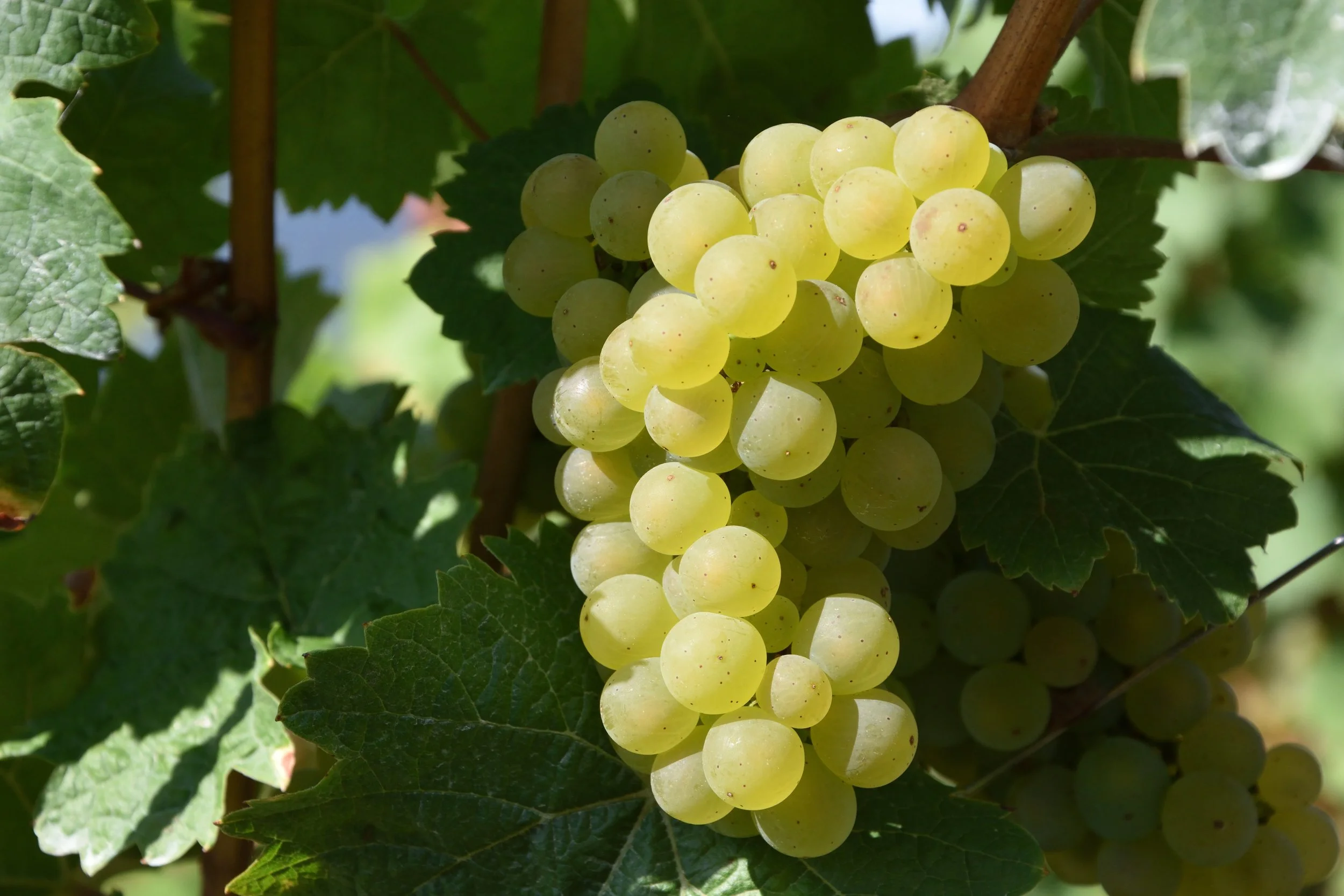
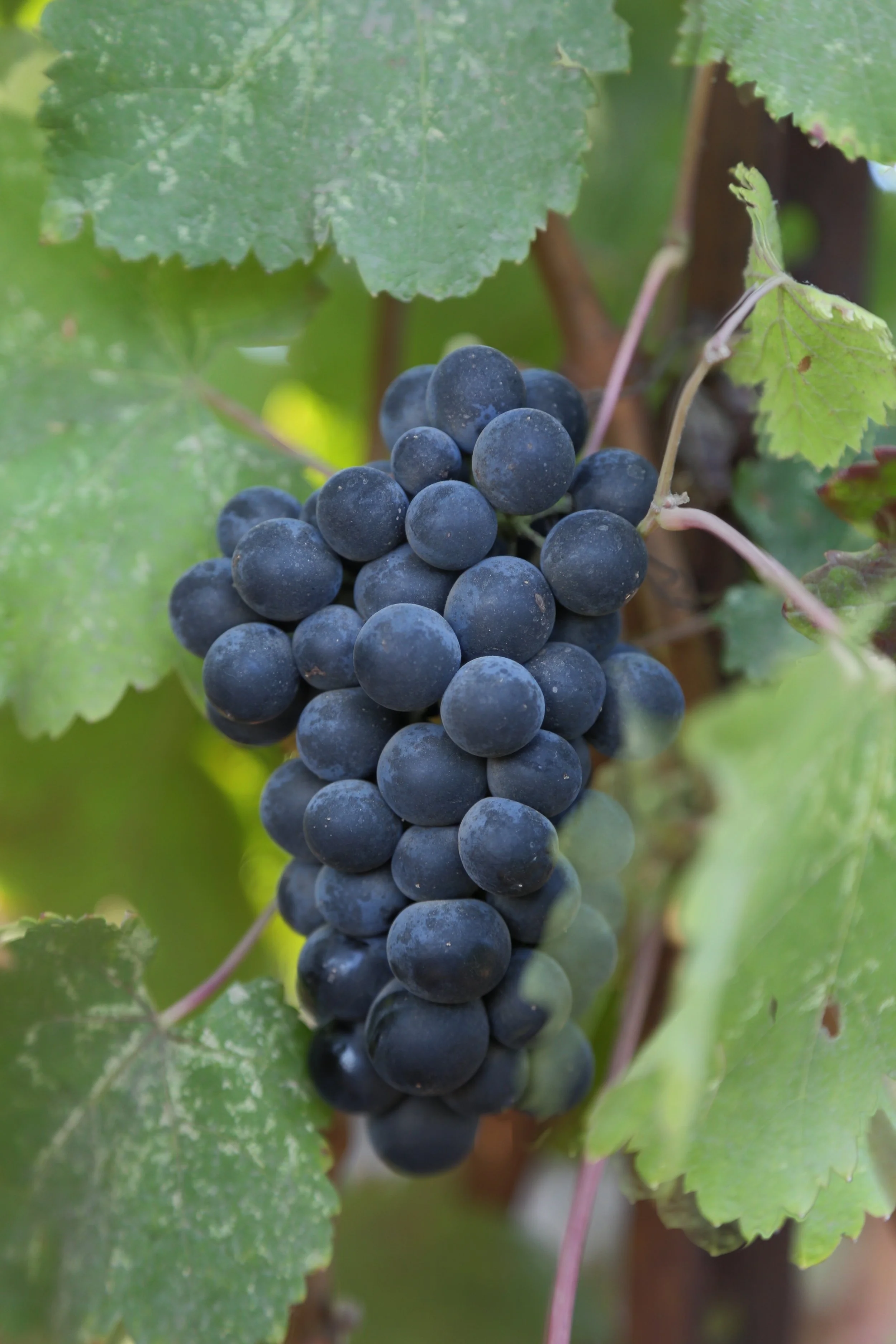
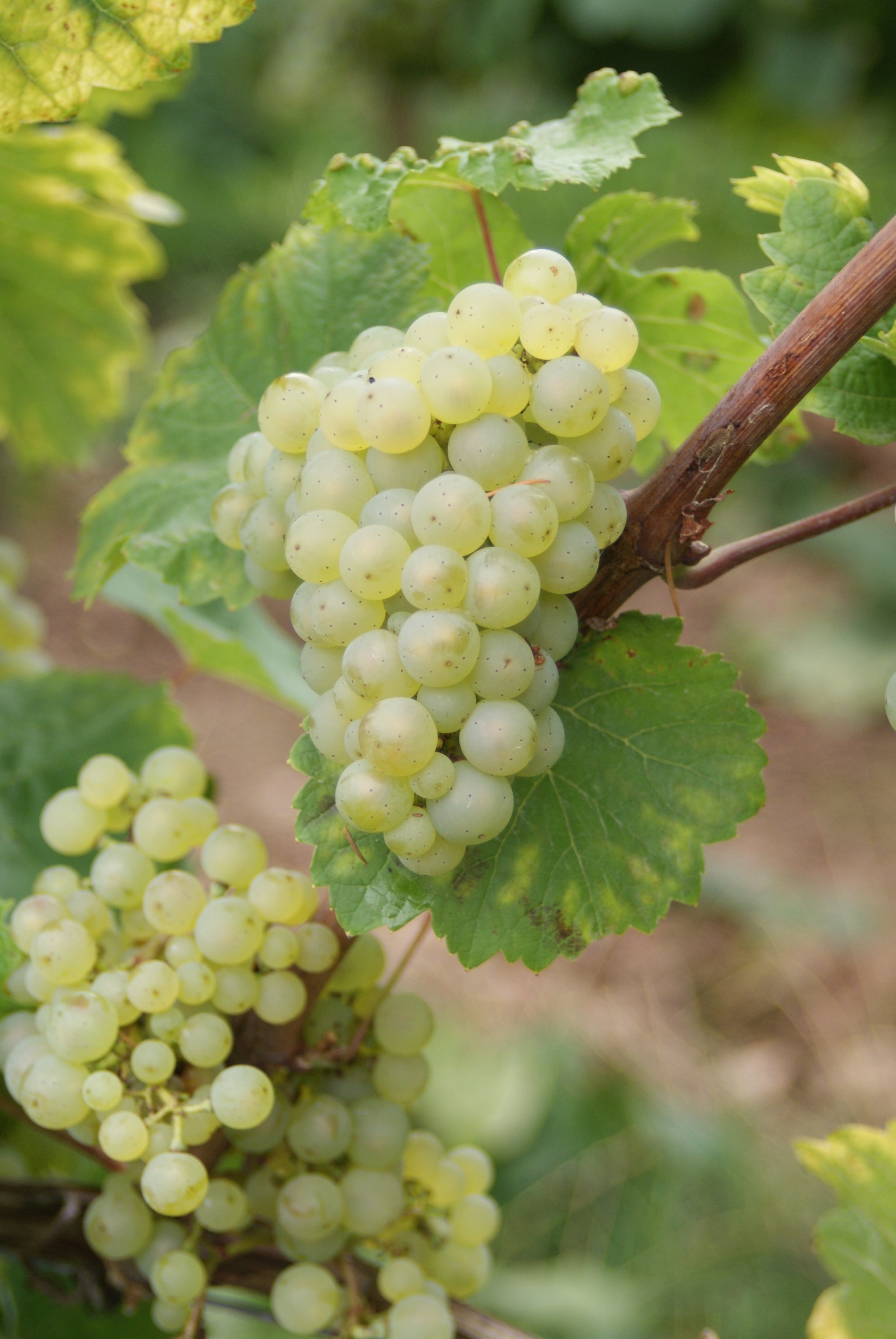
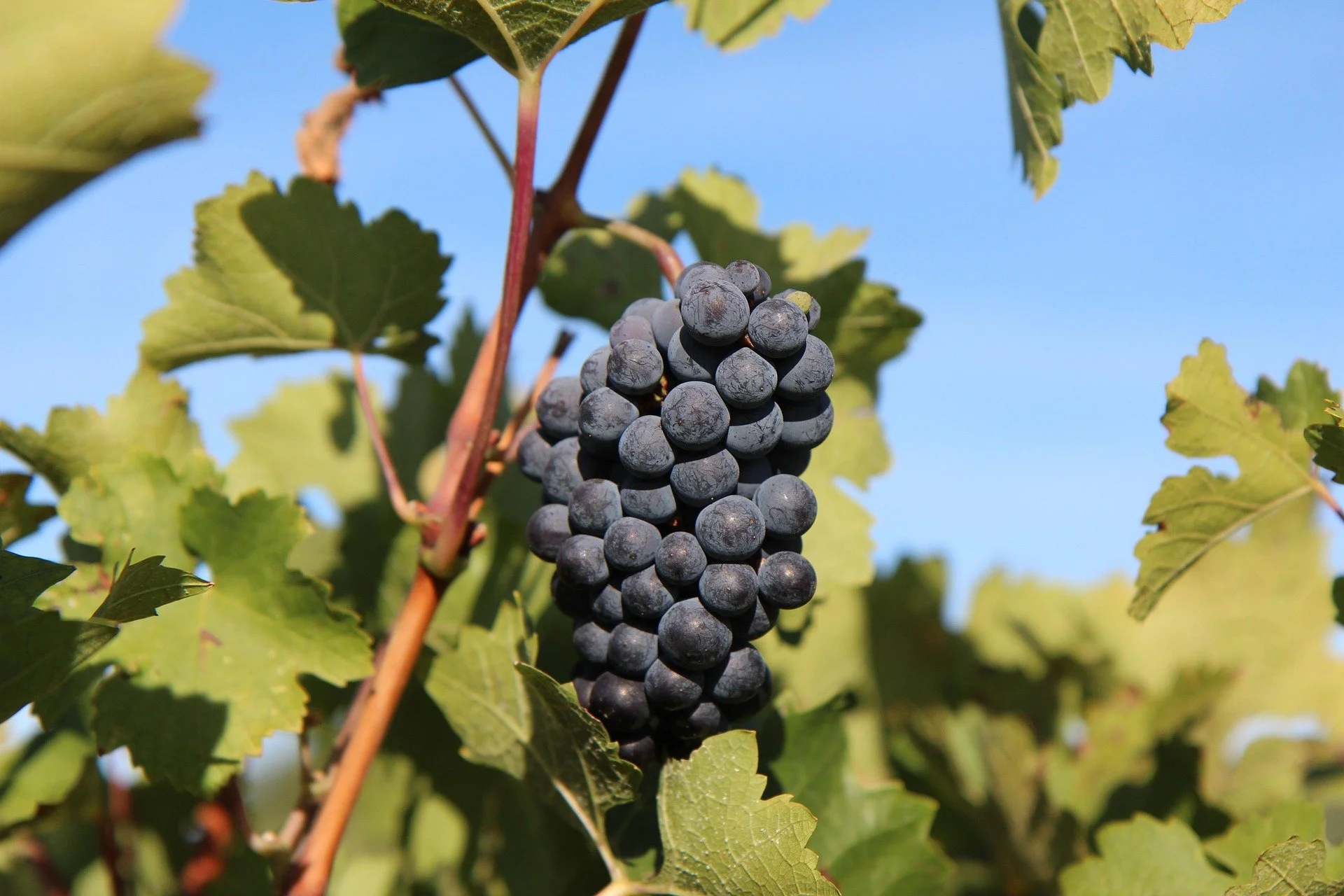
Chardonnay: This is one of the most popular white wine grapes. It is a versatile grape that can alter its flavor depending on its growing conditions. In cooler climates, these grapes may taste similar to green apple or citrus, while in warmer climates, they could taste more like tropical fruits.
Best for: Dry White Wines
Riesling: These aromatic white grapes contain a high acidic content that produce a unique aroma of floral, petroleum, and stone-fruit notes.
Best for: Sweet White Wines
Cabernet Sauvignon: This is one of the most popular wine grapes planted globally, known for its bold flavor with rich herbal notes like blackcurrant and cedarwood. These grapes have a high skin-to-juice ratio, sometimes yielding low amounts of wine in comparison to other varieties. Despite their small size, these red grapes are packed with tannins, giving them a sturdy structure.
Best for: Dry Red Wines
Pinot Noir: These red grapes thrive in cooler climates and have a bright flavor profile with notes of red berries and earthy undertones. They contain lower levels of tannins and have thin skins.
Best for: Sparkling Wines, Rosé, Light Dry Red Wines
Muscat: This is one of the oldest families of grape varieties, known for their intense floral aroma and grapey taste. The grapes contain a naturally high sugar content, giving them a dessert-like flavor.
Best for: Sweet Sparkling Wines, Dessert Wines, Charcuterie Pairings, Fruit Cakes, Raisins
Syrah/Shiraz: These dark blue grapes contain moderate-to-high amounts of tannins and complex notes that taste similar to blackberry and licorice.
Best for: Full-Bodied Red Wines
Merlot: This is a popular red-wine grape known for its smooth, soft texture and dark blue hue. These grapes feature a dark fruit flavor profile, containing notes tasting similar to plums, blackberries, or cherries.
Best for: Dry Red Wines
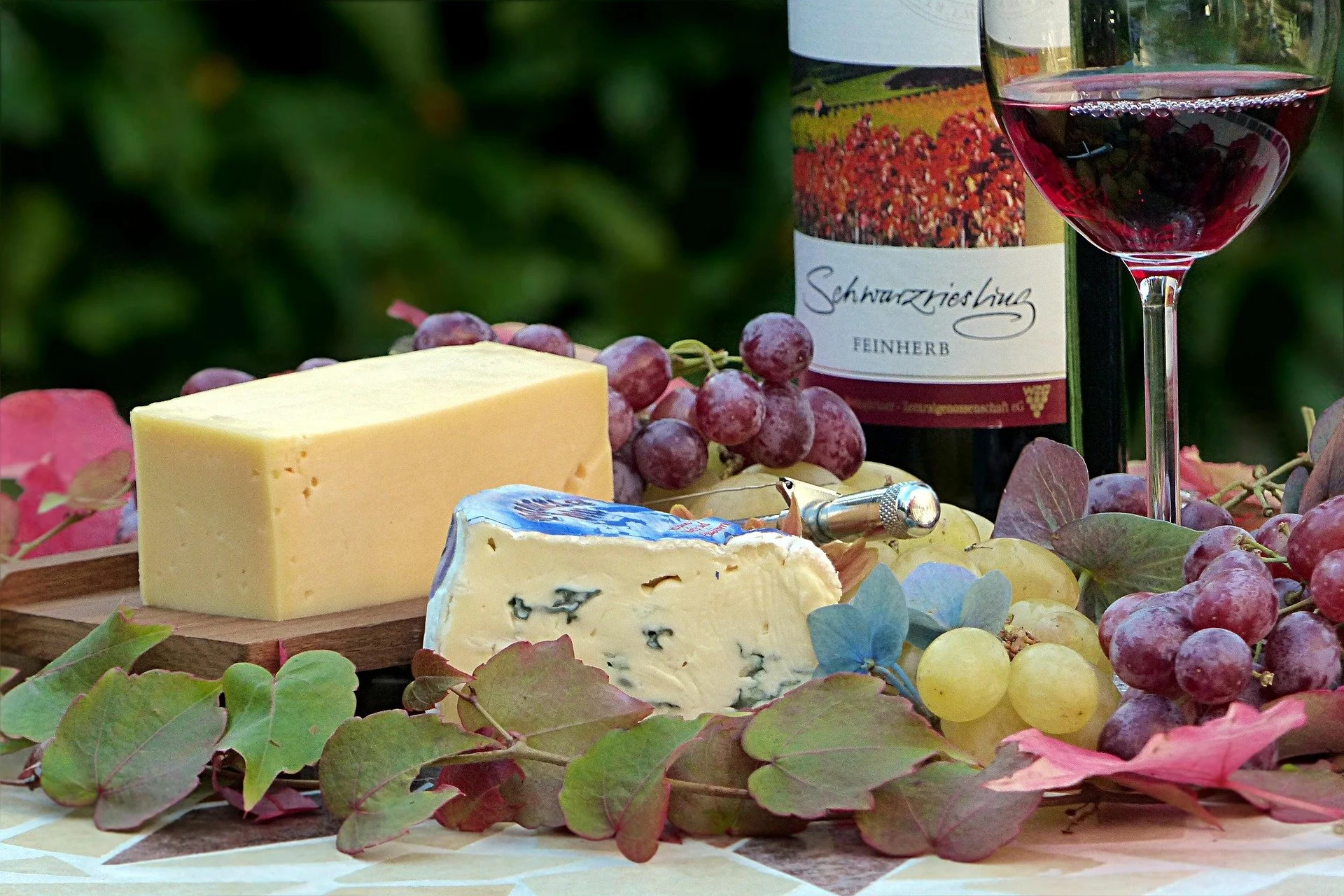
When it comes to cheese and table grape pairings, a guiding rule to remember is matching the intensity to the creaminess of the cheese. Green grapes typically pair well with soft cheeses like mozzarella, ricotta, goat cheese and brie, while darker grapes have richer flavors, pairing/matching better with aged or firm cheeses like gouda, extra-sharp cheddar, and blue cheese. This logic extends to wine grapes, where white wines often go with softer cheese, while red wines match better with harder cheeses. For food pairings, red wines pair well with savory red meat dishes, pasta meals, and hearty vegetables. White wines typically match better with lighter proteins like seafood, chicken, and green vegetable dishes.
Table grapes can be stored unwashed in the refrigerator so they are not introduced to excess moisture leading to mold growth, so rinse them under cool water right before eating. They can be left in their original packaging or placed in the crisper drawer set to high humidity. When properly stored, grapes can remain in the refrigerator and be enjoyed for one to two weeks!
Top Grape Picks!
Best for Fresh Snacking: Flame Seedless
Best for Jelly: Concord
Best for Juicing: Concord, Niagara
Best with Cheese: Muscat
Best for Dry Wine: Cabernet Sauvignon
Best for Sweet Wine: Riesling
Best for Charcuterie Pairings: Flame Seedless, Moon Drop
Best for Fruit Salads: Crimson Seedless
Best for Raisins: Thompson Seedless
Best for Garnish/Centerpiece: Red Globe