September is National Fruits and Vegetables Month!
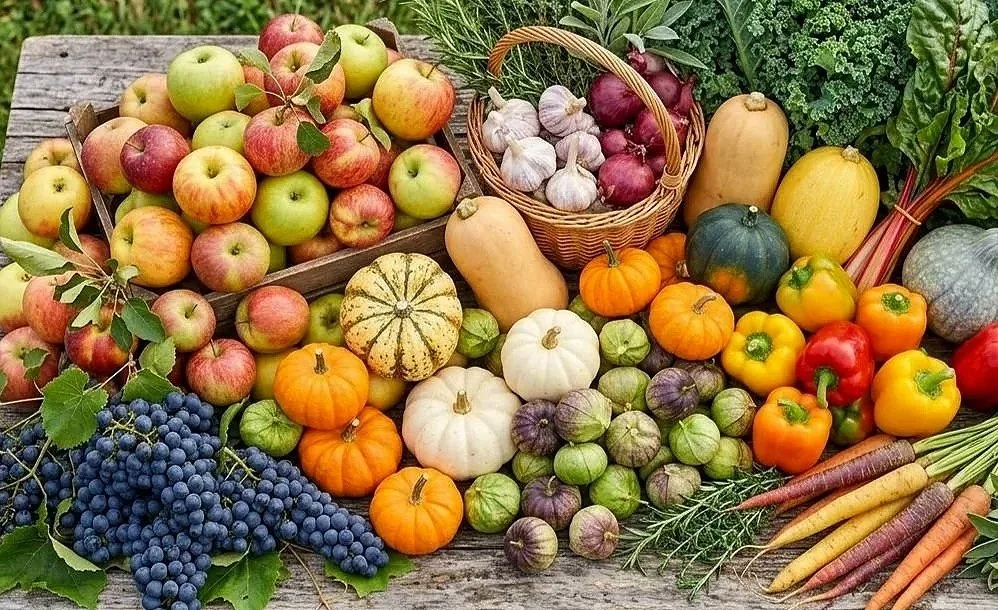
September highlights fresh, in-season produce and teaches us the importance of plant-based nutrients, encouraging healthy eating habits. This month is a significant transitional period in agriculture where late-summer crops peak in ripeness and reach full maturity. These fruits and vegetables spend the summer months absorbing sunlight and storing vital nutrients to produce dense amounts of vitamins and antioxidants. While fall staples like apples and winter squash dominate the market, the early-Autumn harvest welcomes two striking plants that peak in September including Tomatillos and Concord Grapes. These unique crops add a bold touch to the fall harvest season.
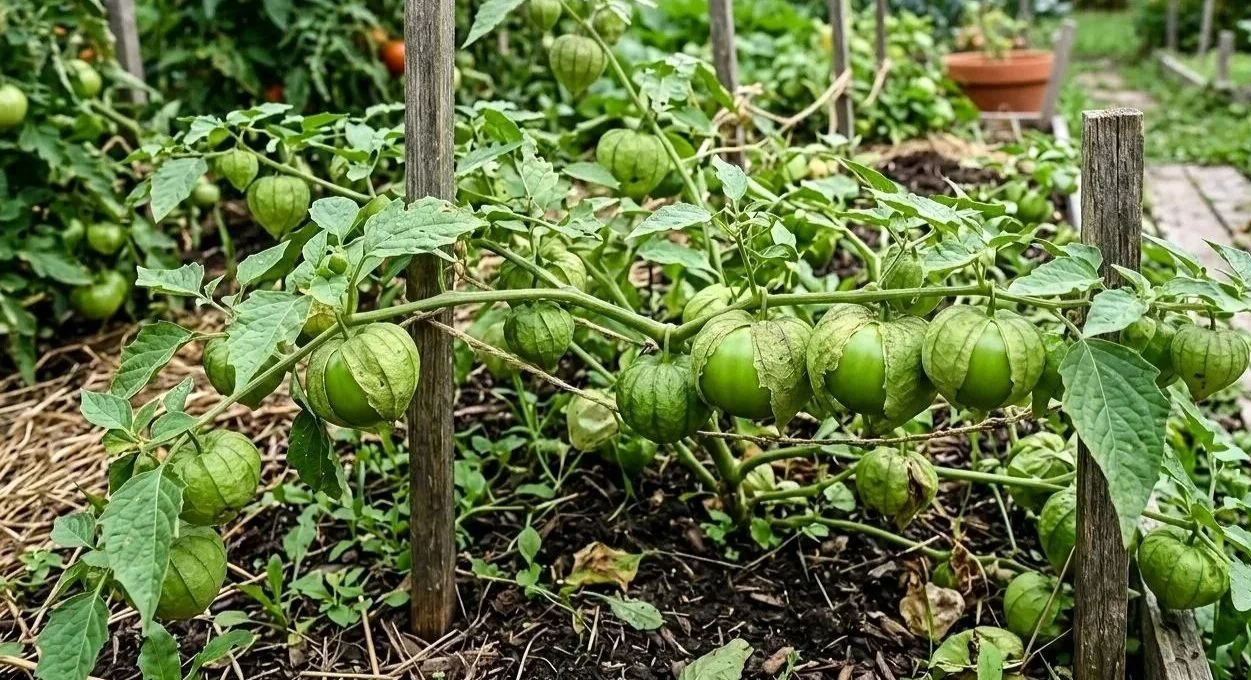
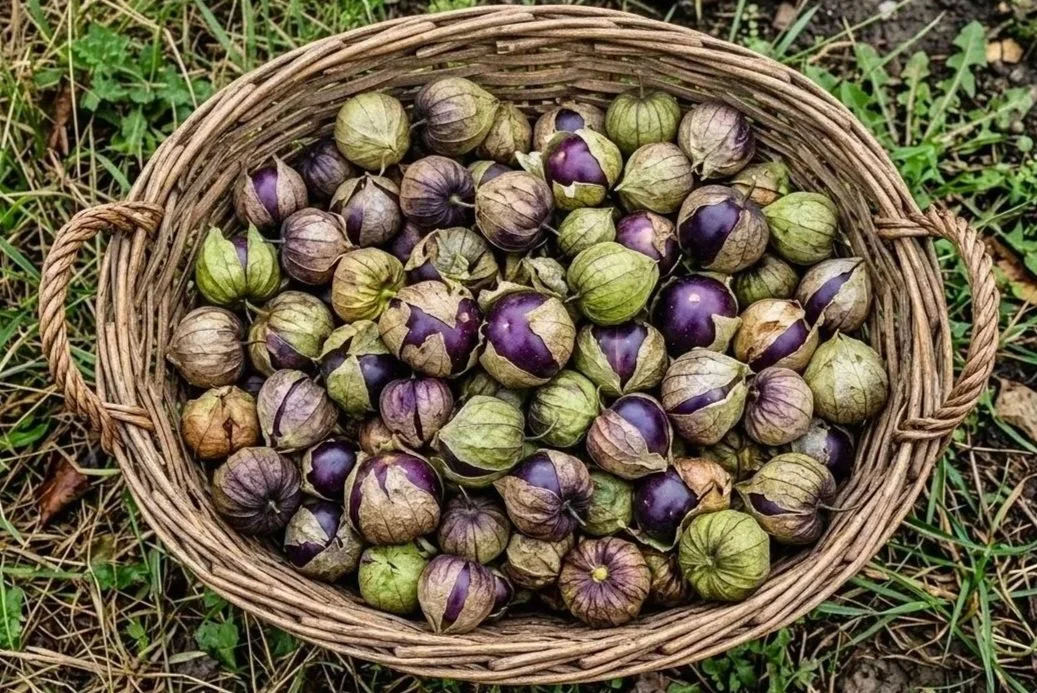
Tomatillos, also known as husk tomatoes, are bushy, nightshade plants that produce small, green and purple fruits. Tomatillos thrive in warm climates with well-drained soil and require full sun exposure. In North America, they are mainly grown in known agricultural regions such as Mexico, California, and throughout parts of the Southern United States. Tomatillos are not self-pollinating fruits, meaning they cannot set fruit on their own. They require a crucial growing process known as cross-pollination, where at least two or more bushes are grown near one another to ensure proper fertilization. They grow inside of a protective husk known as the calyx. This paper-like exterior splits open when the fruit reaches peak ripeness. Picking them at this time creates a tart flavor that works well in salsas and jams. The most popular variety is Toma Verde. These tomatillos produce large green fruit that have a bright, citrusy flavor. They are the ideal plant for making traditional salsa verde! Other tomatillo varieties include Rio Grande Verde and Purple de Milpa. Rio Grande Verde tomatillos yield large crops of firm, uniform fruit and are known for their tangy and robust flavor. Purple de Milpa tomatillos are a traditional Mexican heirloom variety known for dark purple skin and distinctly sweet flavor profile in comparison to green varieties.
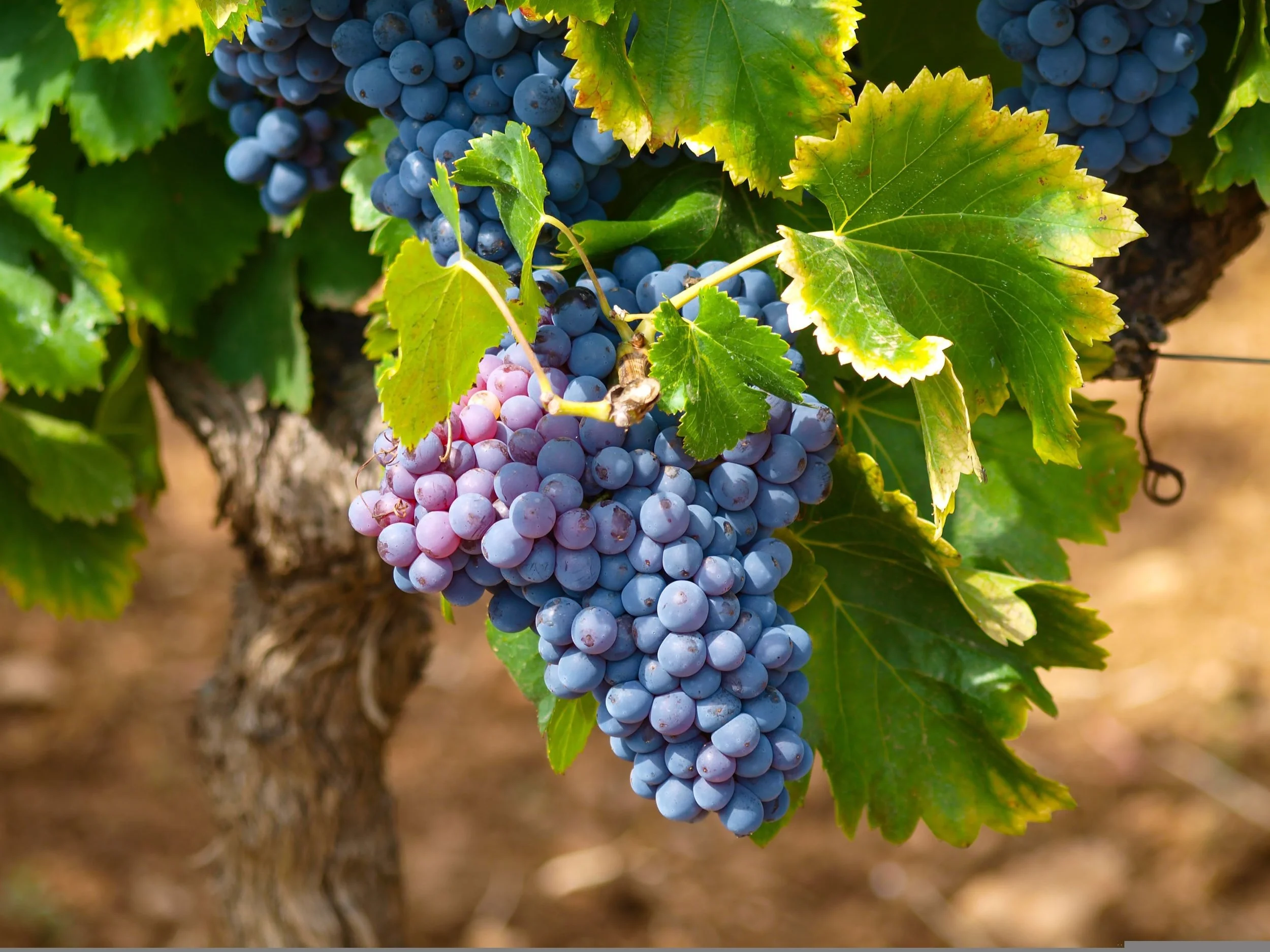
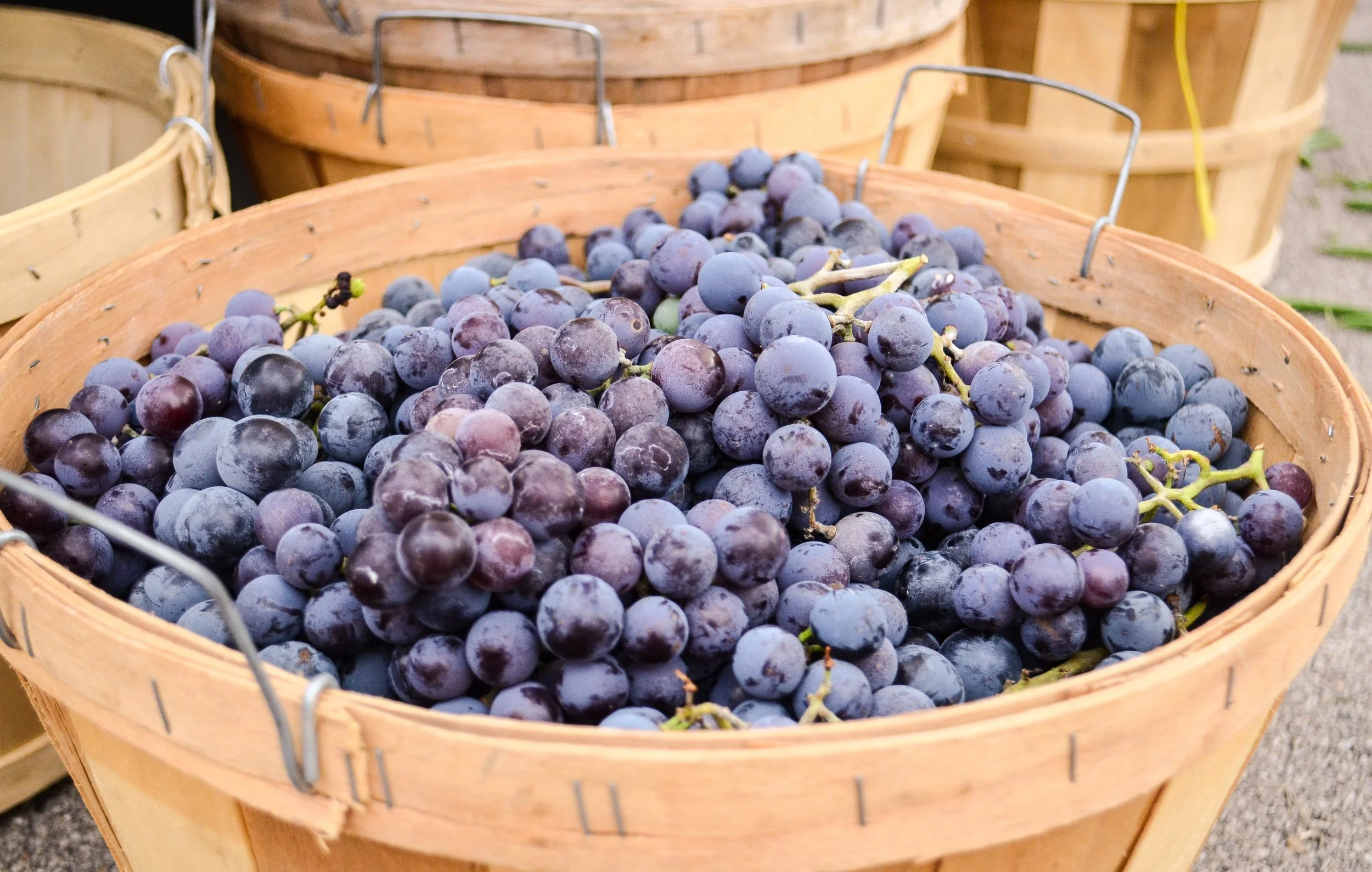
Concord grapes originated in Massachusetts in the nineteenth century. They are known for their adaptability and ability to withstand cooler climates, growing predominately in the Great Lakes region as well as the Pacific Northwest. They have a dark blue color and possess a “slip-skin” trait, where the outer skin separates from the inner pulp and seeds. Concord grapes grow in drooping bunches over trellises or fences and rely heavily on color development, aroma, and sugar accumulation to determine when they reach their peak harvest. Several types of Concord grape varieties have been developed since their origin, including Seedless Concord and White Concord grapes. Their bold, sweet tastes makes these grapes an excellent choice for juices, preserves, and fresh eating due to their versatility. Concord grapes are also famous for flavoring wine, juices, and liqueurs.
Tomatillos and Concord grapes highlight the diversity of Autumn produce, but they only represent a fraction of what is available this season. September serves as a reminder that fruits and vegetables are the foundation of long-term health and a balanced lifestyle!