Red October: Celebrating Fresh Beets & Cranberries!
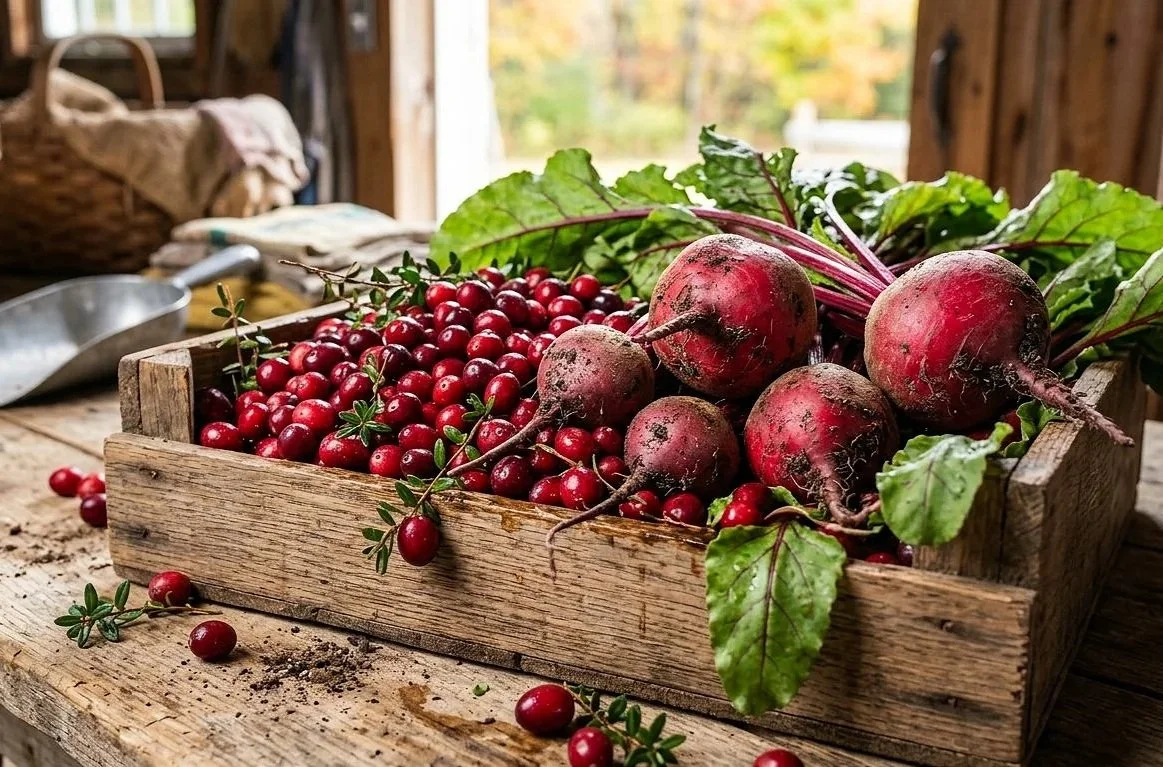
October brings crisp air, golden leaves, and a vibrant shift in seasonal produce. This month, we are leaning into rich, brilliant hues and deep, earthy-sweet flavors by shining a spotlight on two fall powerhouses: fresh beets and cranberries! Let’s get into it!
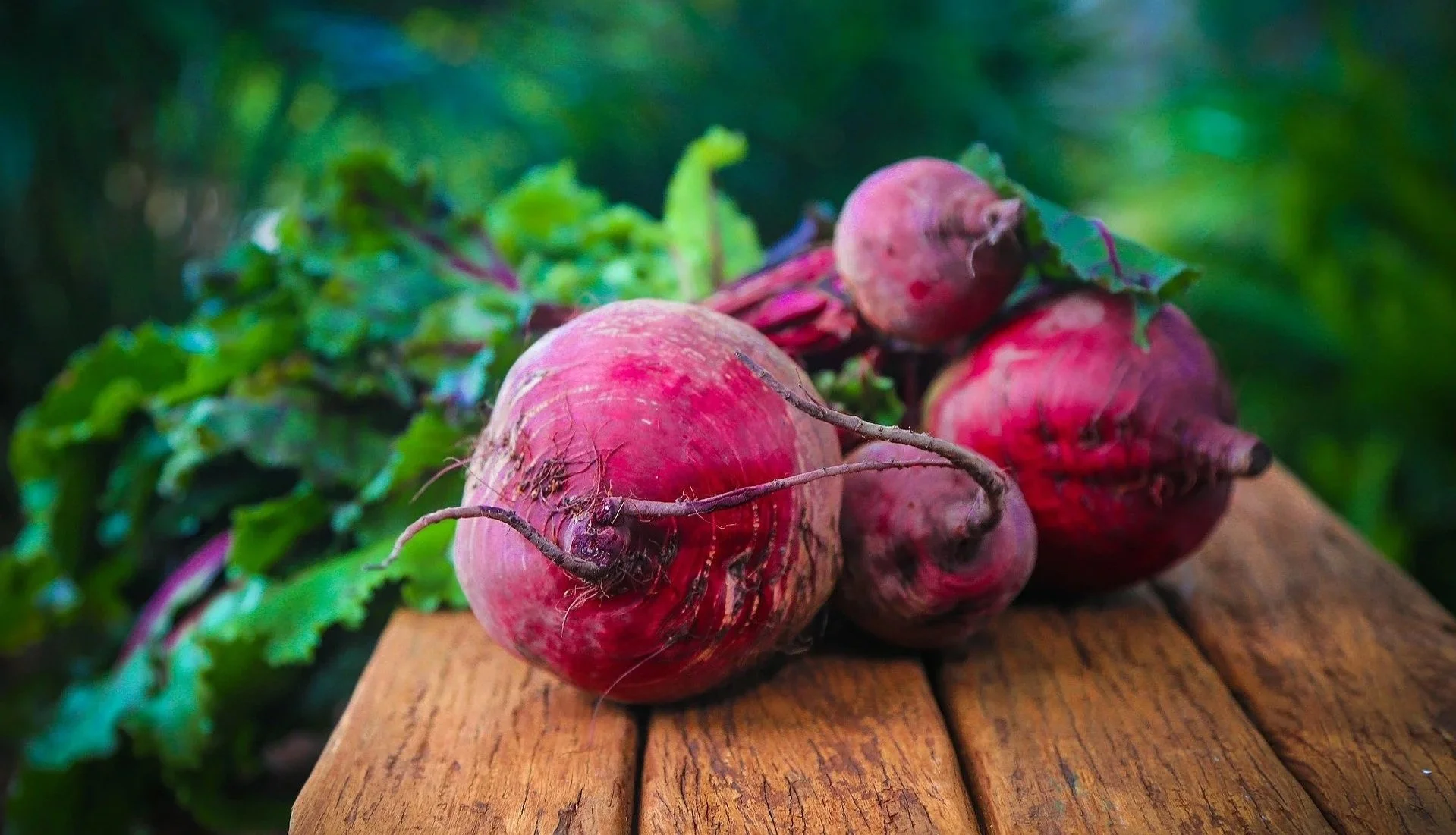
Beets are a versatile root vegetable that are perfect for cool-weather cooking. Red beets, also known as table beets or beetroots, are native to the Mediterranean region and can range in color from reddish-brown to dark red to purple. In the United States, red beets grow primarily in regions of New York and Wisconsin. Beets require full sunlight, at least six hours per day, for proper root development, contributing to their high natural sugar content in comparison to other vegetables. Whether roasted, pickled, or blended, their natural sugars caramelize when cooked, balancing their pleasant, earthy tone with a soft sweetness. Their earthy notes come from an organic compound called geosmin, which is naturally found in soil, causing a “dirt-like” taste for some people. Beets also contain high amounts of vitamin C, folate, and other antioxidants. Their vibrant red color comes from specific antioxidants called betalains, which have been associated with numerous anti-inflammatory health benefits. The leafy green tops contain beta-carotene and lutein, which are important for eye health and your overall immune system. Beets promote a healthy heart and gut through their high fiber content compared to total carbohydrates.
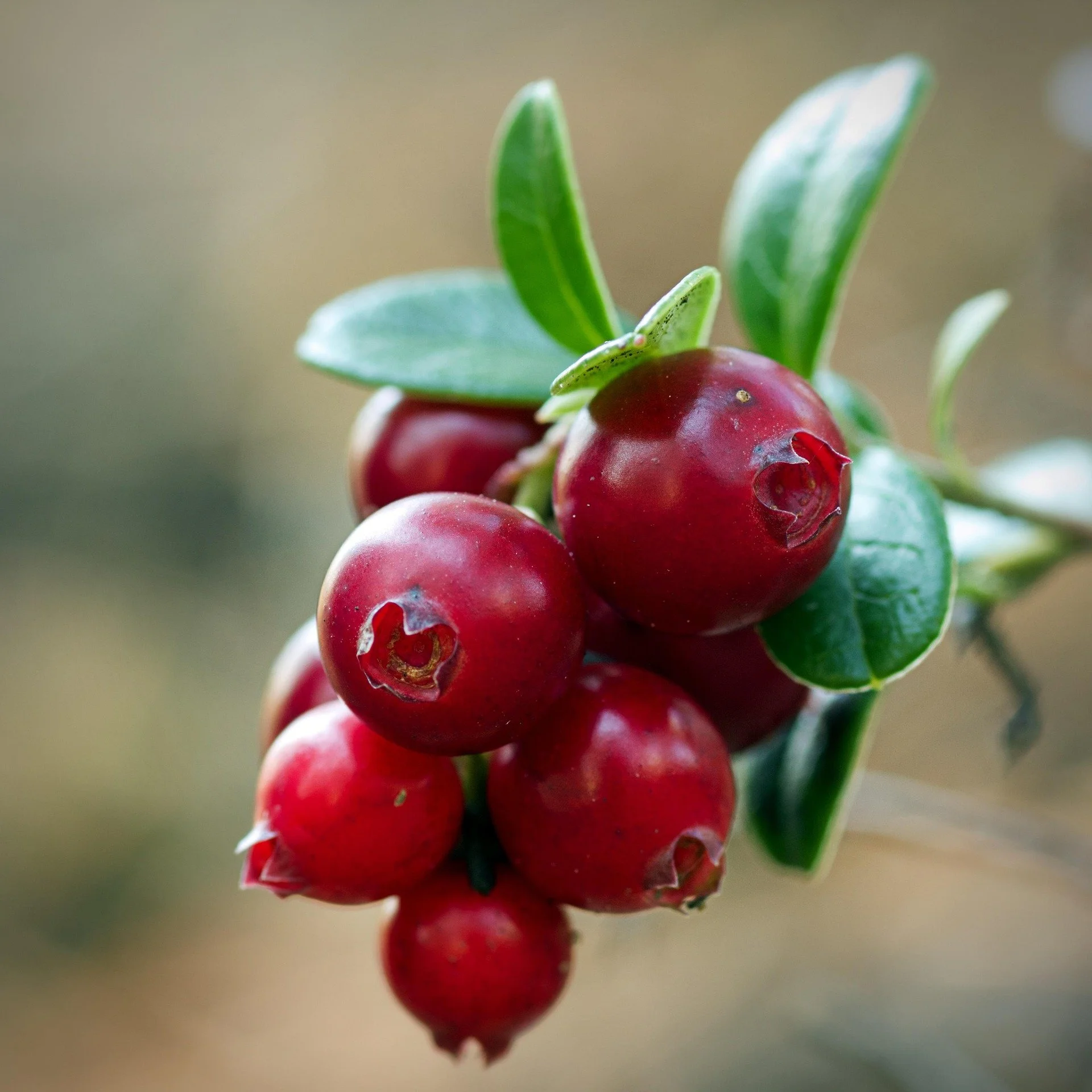
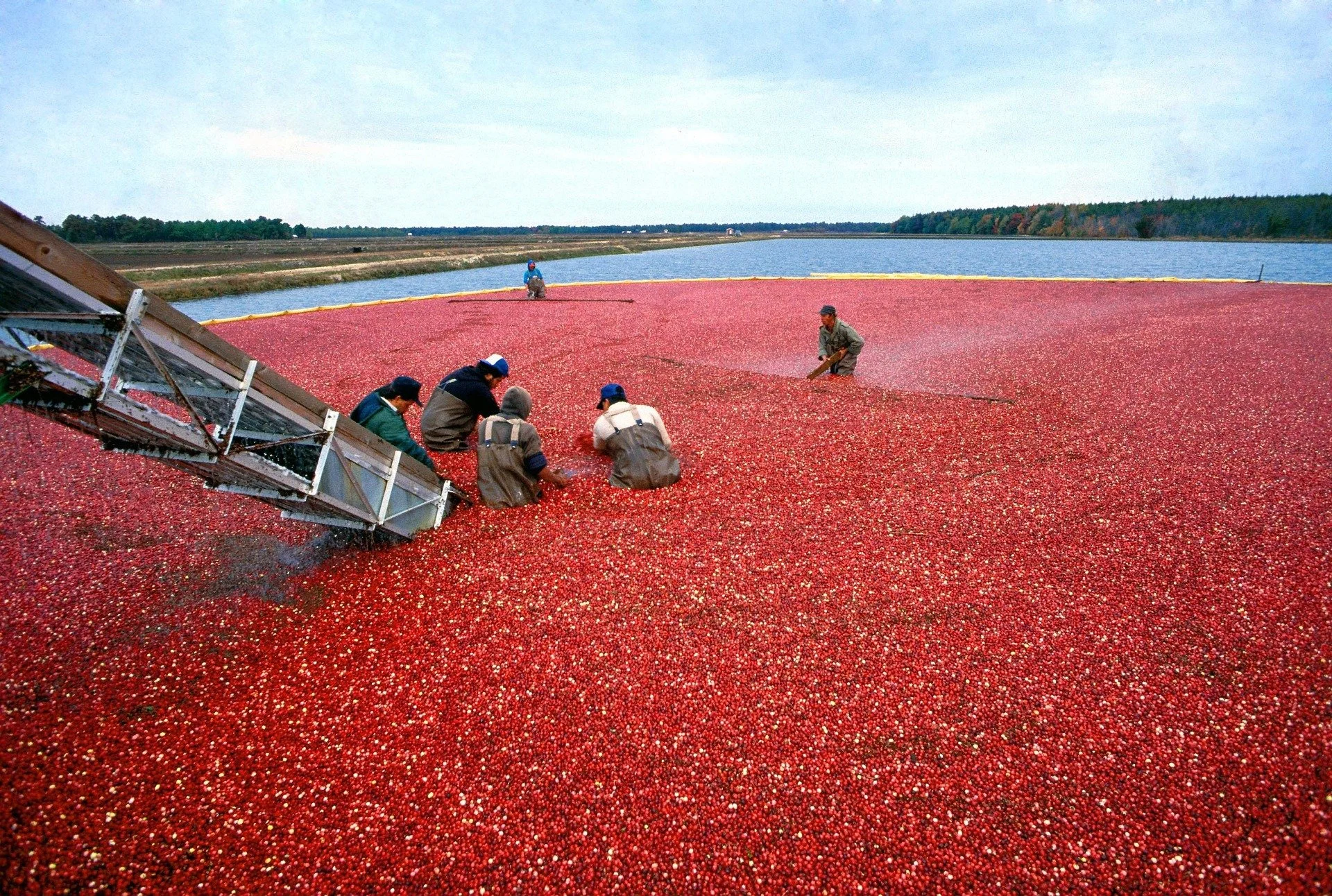
While cranberries usually take center stage around Thanksgiving, fresh cranberries hit produce aisles in October and deserve a spot in your weekly rotation right away! Their sharp, tart brightness provides the perfect flavor counterpoint to savory roasts and sweet autumn baking. Cranberries are one of the few commercially grown crops native to North America, alongside concord grapes and blueberries. Like beets, cranberries are packed with vitamin C and other antioxidants that support heart health and lower inflammation. Because of their acidic taste, most cranberries are processed into juices, dried, or used in sauces. The remaining cranberries are harvested for fresh eating, making up roughly 5% of the total amount produced each season. Cranberries become slightly bouncy when they are ripe, so testing to see if the cranberry bounces over small wooden barriers is an adequate way of determining ripeness level. Contrary to popular belief, cranberries do not grow when submerged in water. Instead, they float due to four internal air chambers that allow them to rise to the surface. Flooding the bogs with water during harvest makes gathering the cranberries significantly easier.
Beets and cranberries represent distinct, antioxidant-rich autumn crops that feature bold flavor profiles. As October unfolds, remember that their shared vibrant hue is only the beginning of what makes beets and cranberries two powerful staples of the harvest season!