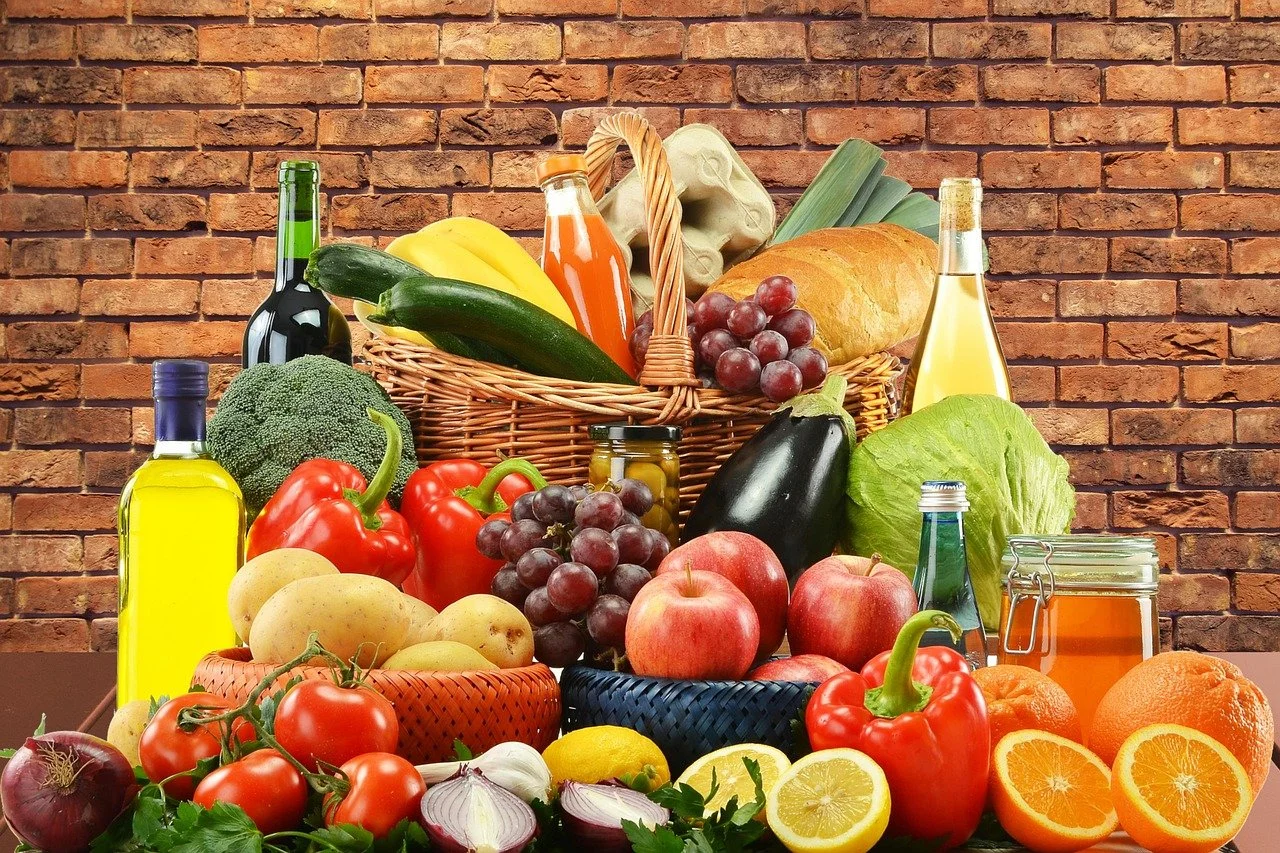
Produce has held significance since the beginning of time. New Year’s Eve traditions across many cultures incorporate produce and are marked by food rituals, meant to encourage something positive in the year ahead.
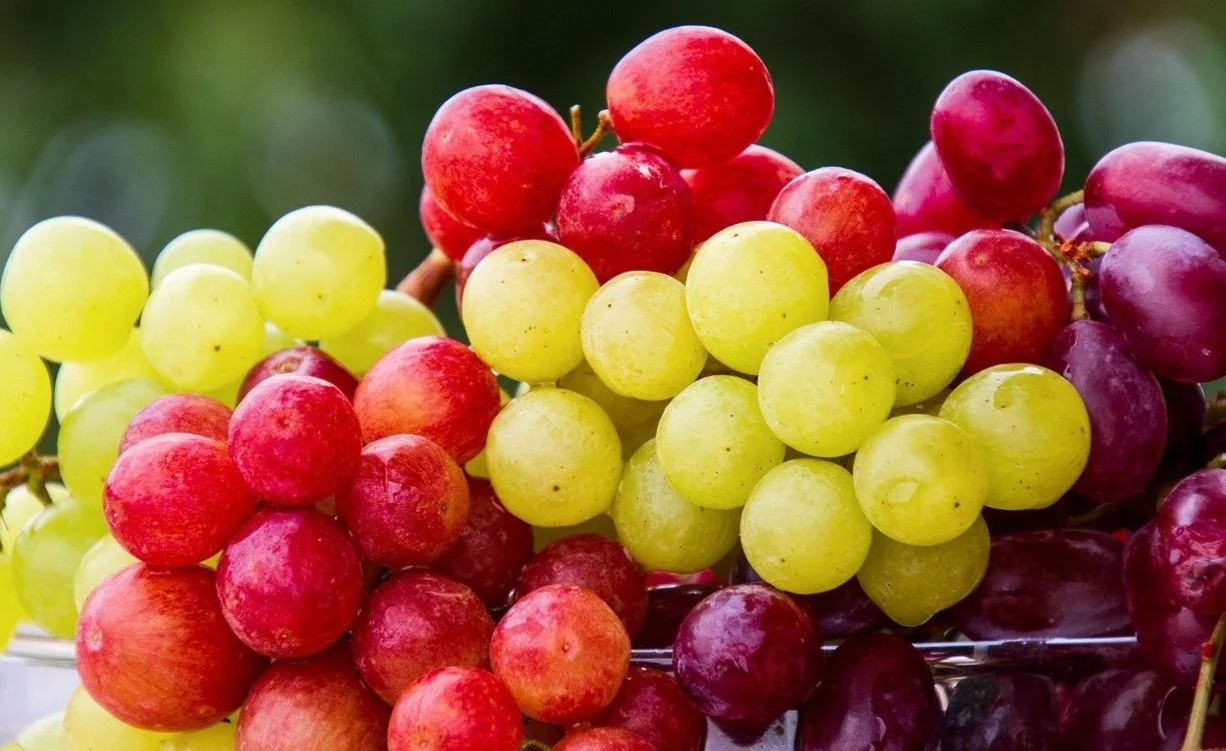
In Spain, eating twelve grapes at midnight has become one of the most well-known New Year’s Eve traditions. As the clock strikes twelve, one grape is eaten with every ring. The twelve grapes are supposed to represent good fortune for the new year, marked by one grape for each month. In several Latin American countries, the Spanish grape tradition was adopted. In some regions like Mexico, it has become popular to eat the grapes while under a table, which is believed to attract romance in the coming year.
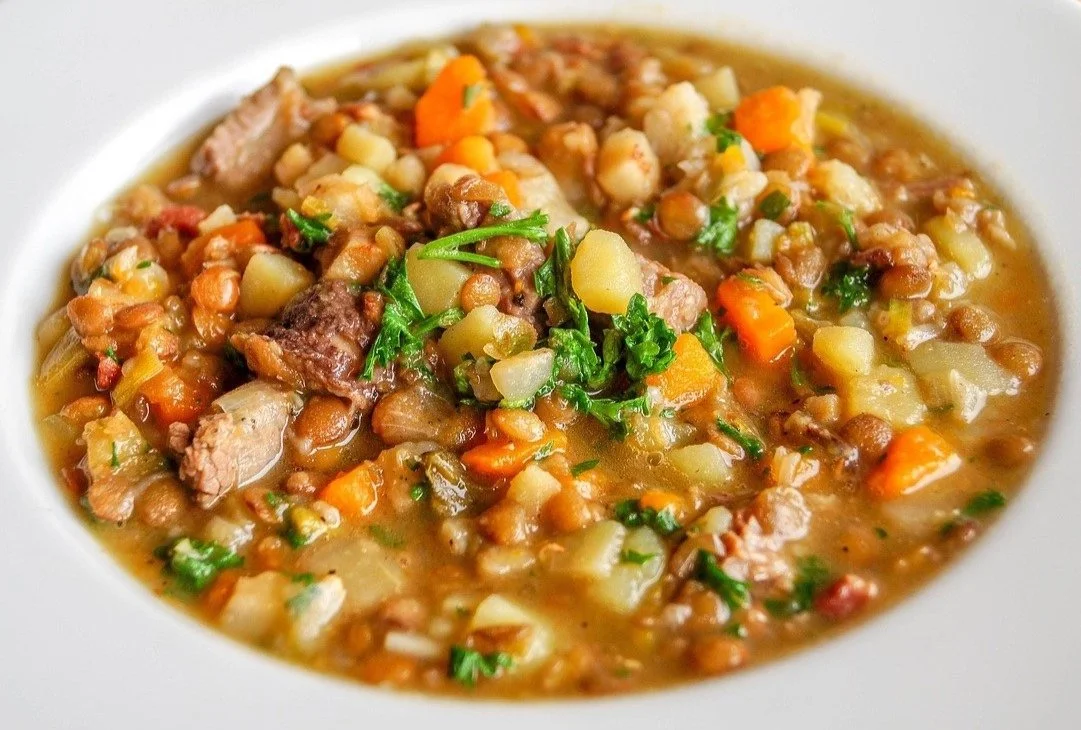
In Italy, eating lentils on New Year’s Eve or New Year’s Day is representative of hope and prosperity in the year ahead, since lentils have been a longtime symbol of wealth. They are often eaten with pork when prepared for holidays and can be eaten in twelve spoonfuls to symbolize the twelve months. Brazil shares a similar tradition of eating lentils to bring in the new year. They are eaten as the clock strikes midnight in hopes to attract wealth.
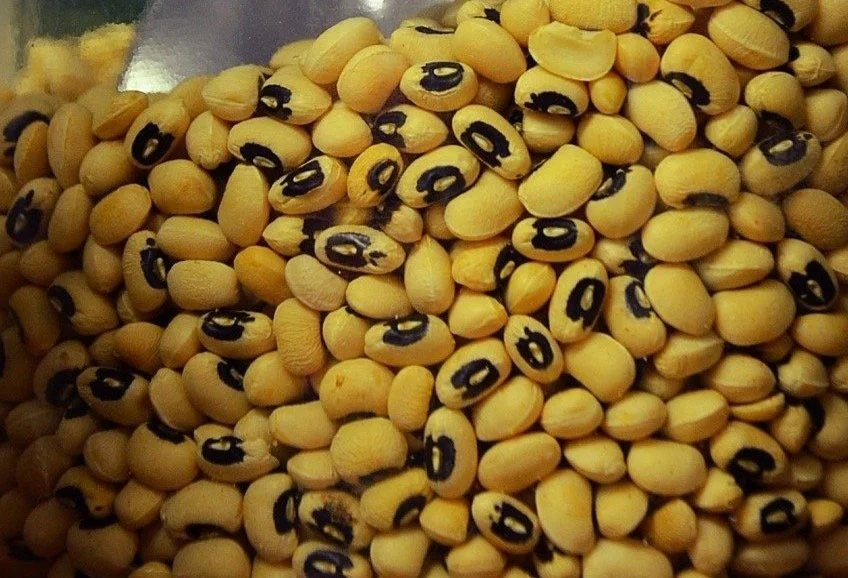
In parts of the southern United States, black-eyed peas are traditionally eaten on New Year’s Day to symbolize good luck, health, and resilience. They are typically served with greens and cornbread to represent money and gold, dating back to the Civil War.
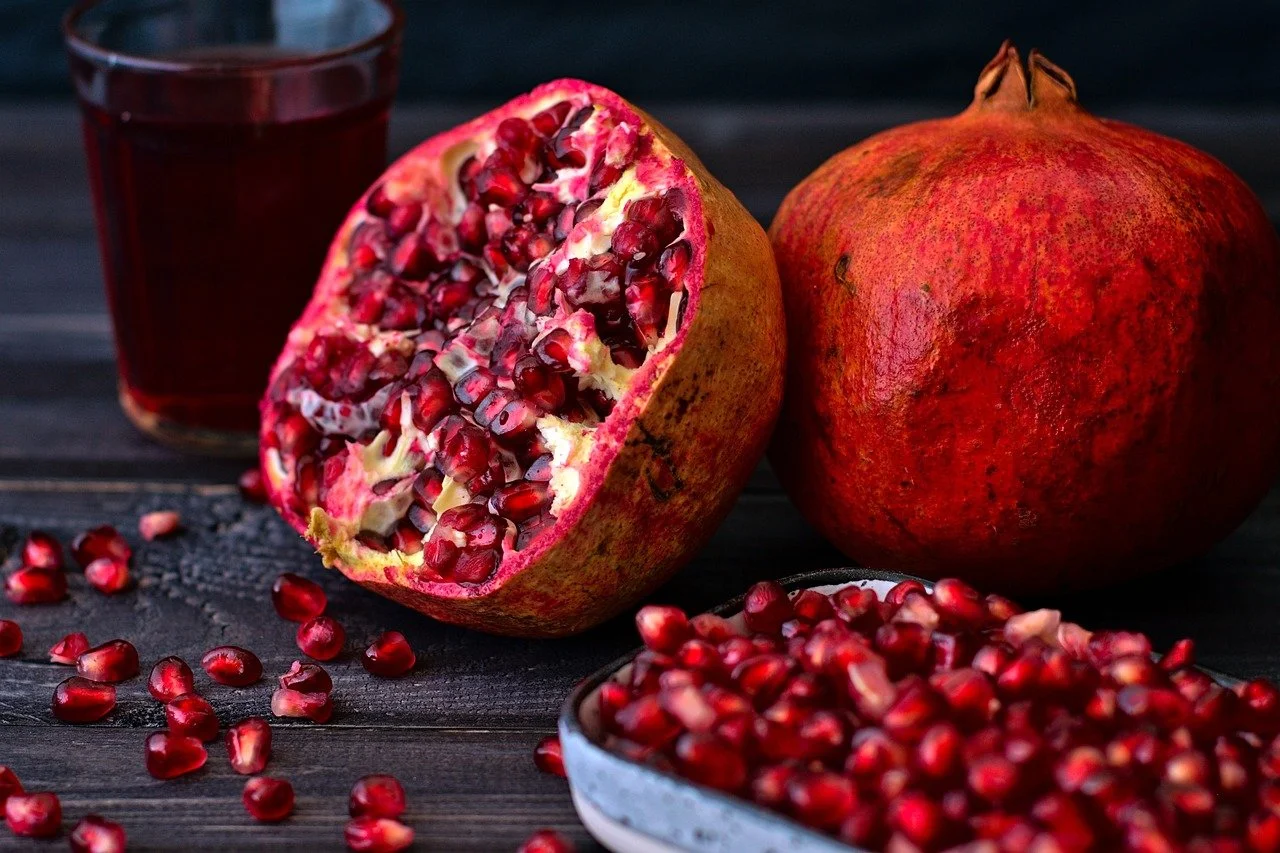
In Greece, pomegranates are the star of the show on New Year’s Day. An entire pomegranate is smashed on the doorstep of the home, and the scattering of its seeds is meant to symbolize fertility, abundance, and good luck. It is also typical to hang an onion on the outside of your door after coming back from the New Year’s Day church service. This is to signify growth and a new beginning to life. A similar tradition involving pomegranates is popular in Turkey, where smashing pomegranates on New Year’s Eve is believed to bring good luck, since pomegranates are associated with abundance.
In Germany, Poland, and neighboring regions, eating cabbage during the New Year is supposed to be a symbol of wealth and endurance. This tradition has been brought to German-American communities in the United States, particularly in Pennsylvania and the Midwest. Sauerkraut is commonly eaten on New Year’s Day and paired with pork.

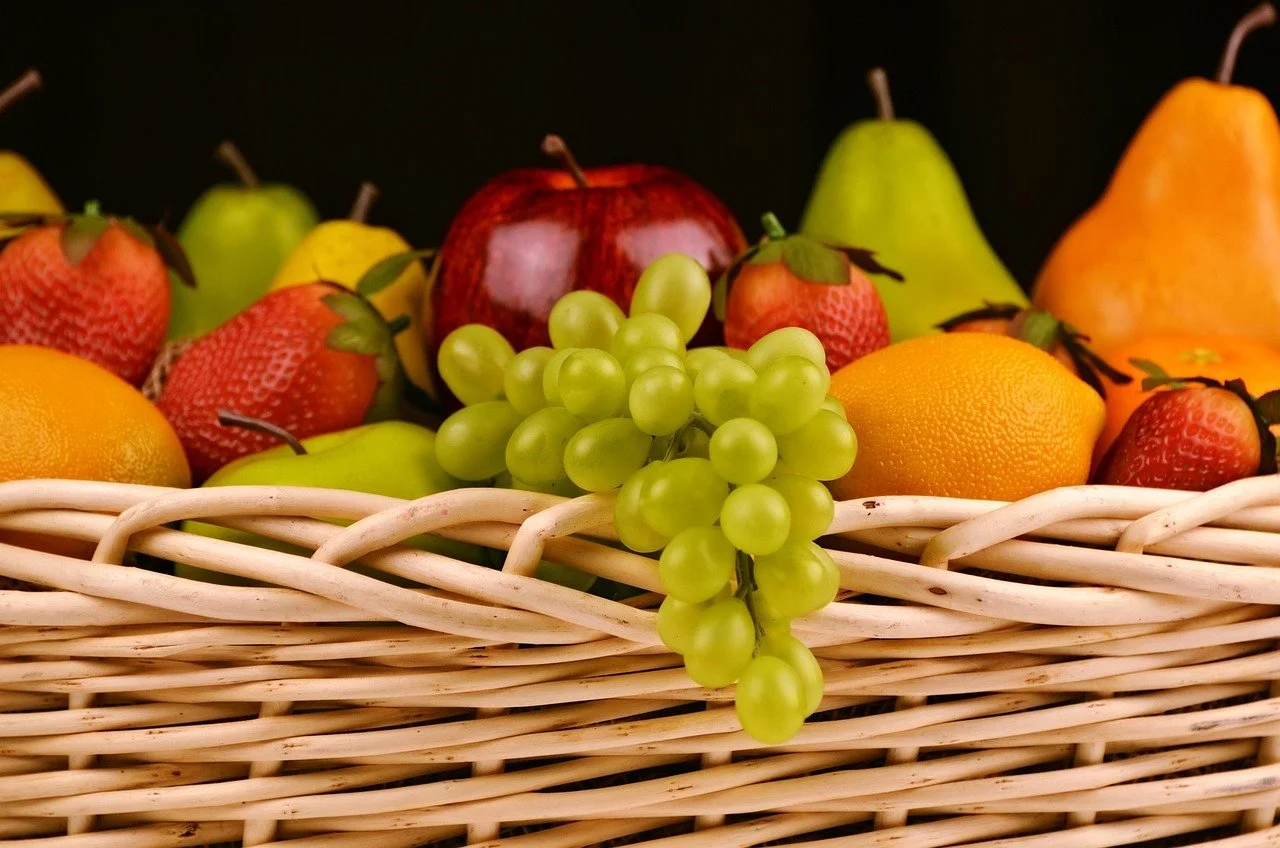
In the Philippines, it is common to display an assortment of twelve round fruit varieties, meant to represent good fortune throughout the upcoming twelve months. Some typical fruits include grapes, apples, oranges, and plums, and their round shape is associated with coins and wealth. In China and other Asian countries, oranges are cherished for their round shape and gold-like color. In several Asian countries, rice is consumed to bring prosperity and luck. In India, it carries significance with removing bad omens.
These global traditions highlight the importance and necessity of produce in the turn of the new year. Produce is a staple of expressing hopes for abundance, stability, and perseverance in the new year ahead. What produce-forward traditions will you participate in this year? Happy New Year!