Ed’s Produce: Grapefruit 101
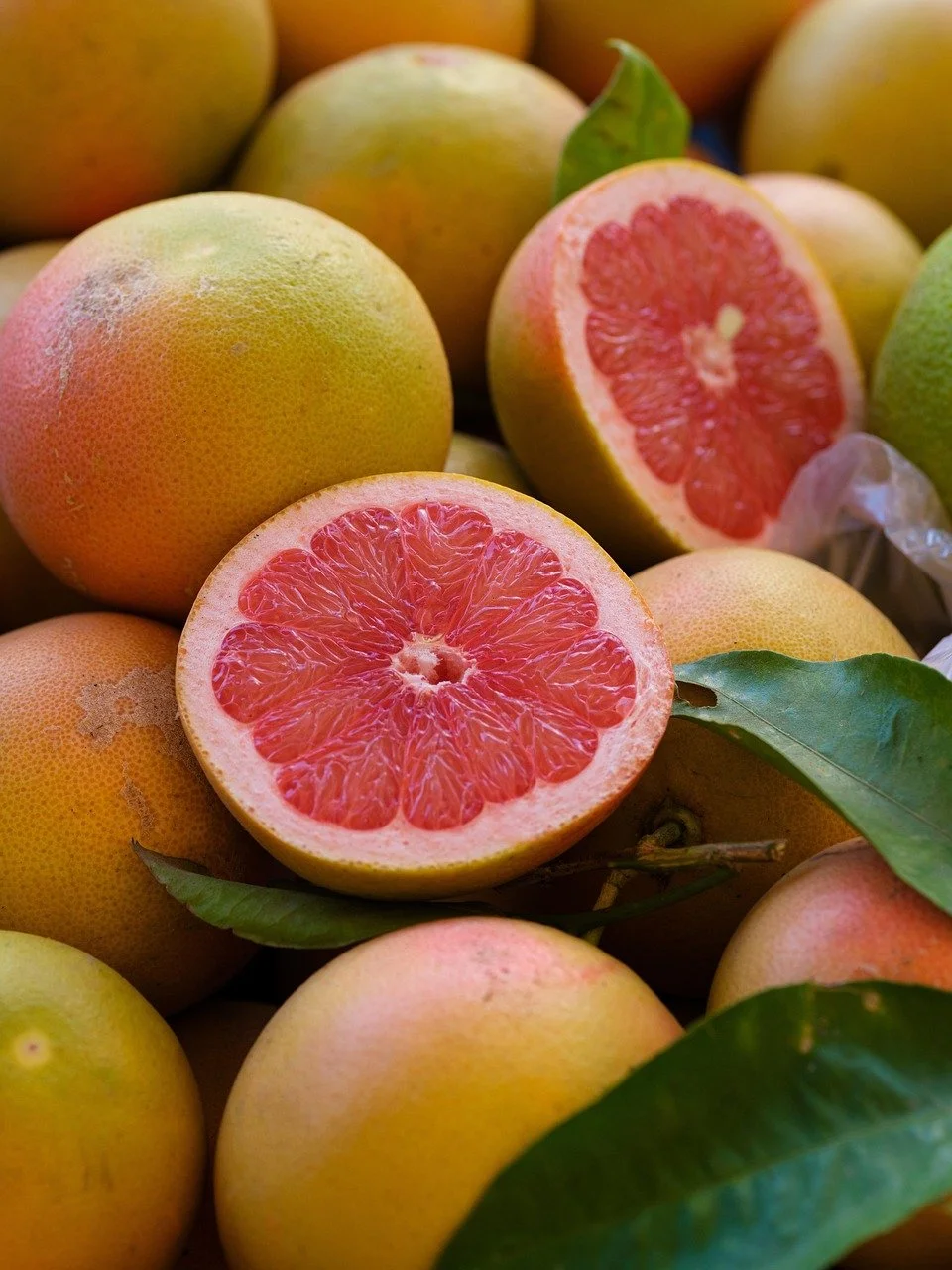
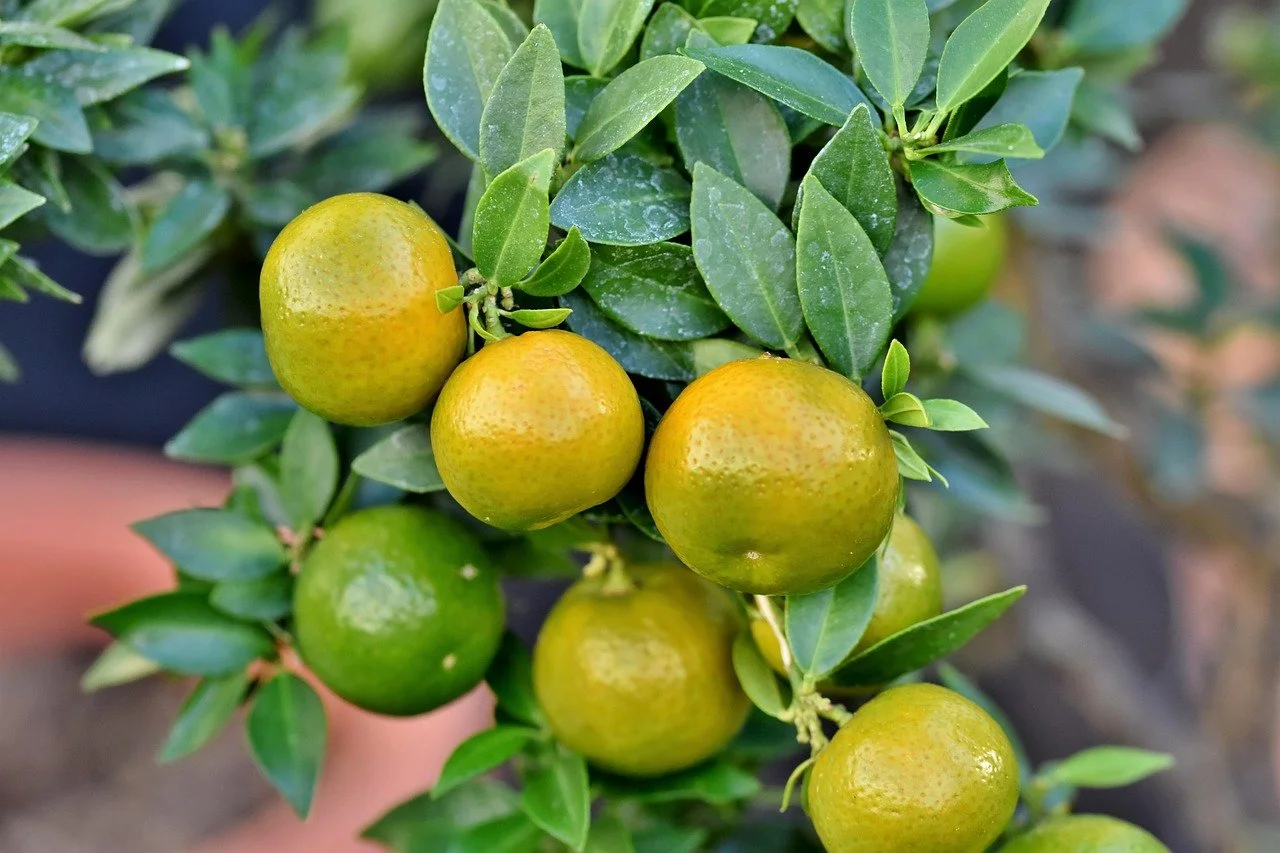
Grapefruit is a refreshing winter citrus fruit that offers a tangy, sweet, and vibrant taste. Despite being a primarily winter fruit, grapefruit is typically available in stores from October to June. It originated in Barbados in the eighteenth century as a hybrid between the Jamaican sweet orange and Indonesian pomelo. It grows on evergreen trees in clusters resembling that of grapes, hence its name. Grapefruit is commercially grown in warm climates such as Mexico, Israel, and South Africa. In the United States, it is common for grapefruit to grow in California, Florida, Texas, and Arizona where the winters are mild.
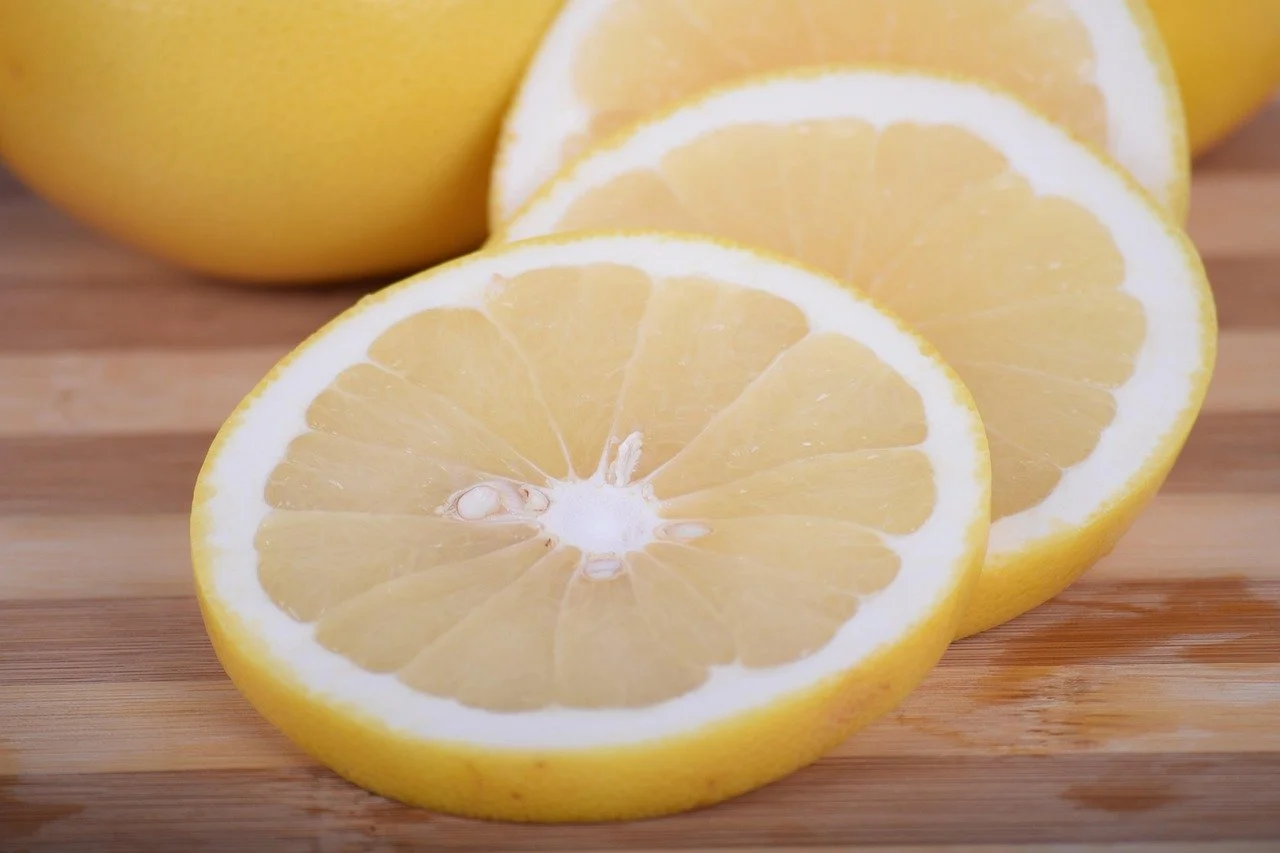
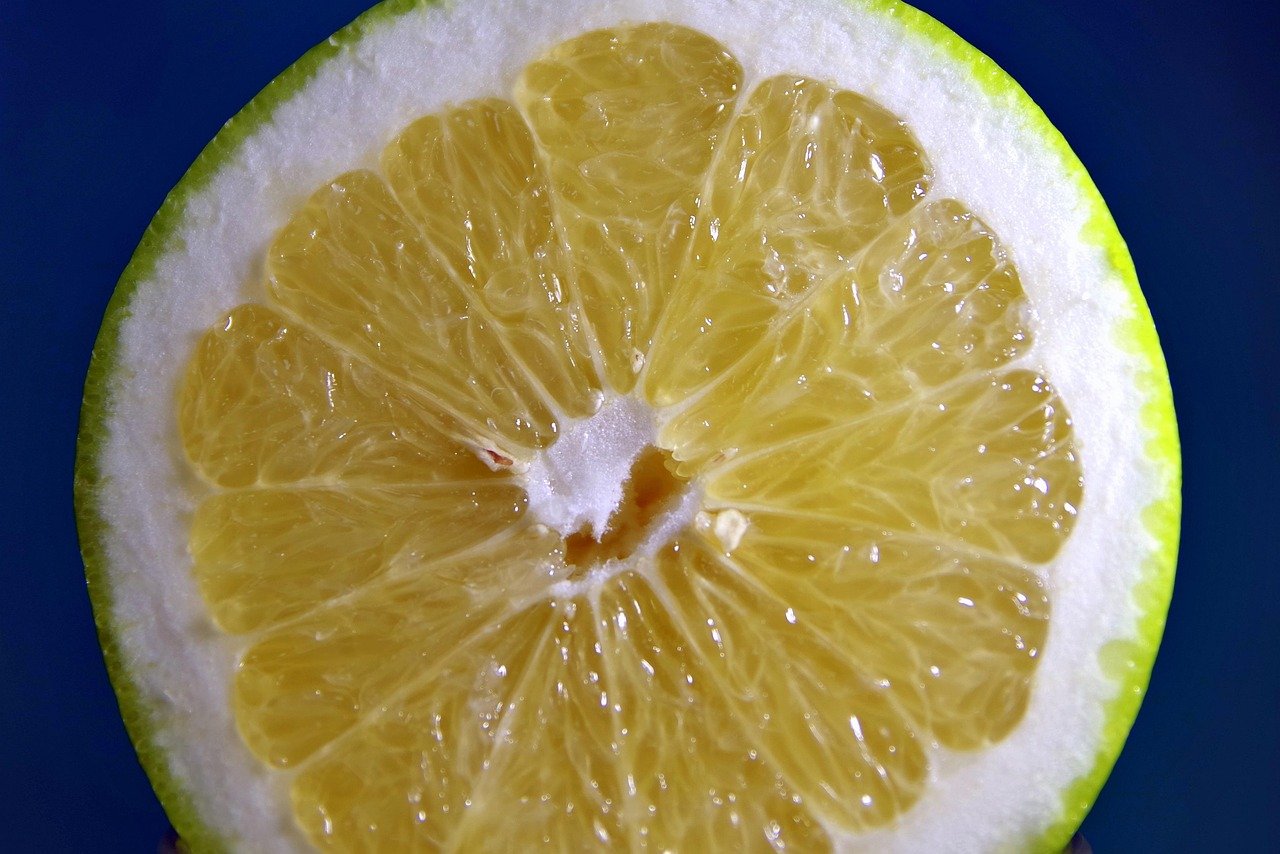
Grapefruits are divided into three main categories, including White, Pink, and Red, which are based on the color of their flesh. Their taste often correlates with their flesh color, ranging from bitter to sweet. White varieties are generally more tart and bitter when compared to pink or red. Pink varieties are right in the middle and are moderately sweet, but still produce a slightly bitter taste. Red varieties are the sweetest of the bunch and typically do not have any bitter notes.
White grapefruit, sometimes referred to as Blond, includes the earliest commercial varieties like Duncan and Marsh. Duncan is the first white grapefruit variety grown in Florida that has a pale yellow flesh and contains numerous seeds. Since it has a bitter taste and seeds, Duncan is commonly used in juicing. Marsh grapefruit has a pale yellow flesh and tangy taste making it similar to Duncan, except it is mostly seedless. Marsh has a cleaner taste than Duncan and is excellent for salads and juicing.
Pink grapefruit emerged later on as a result of natural mutations. Popular pink varieties include Thompson and Henderson. Thompson grapefruit, also known as Pink Marsh, is one of the first pink-flesh grapefruit discovered. It has a light pink flesh and has a semi-sweet taste. It usually contains few seeds and is great for snacking, juicing, and adding to fruit salads. Henderson grapefruit has a light-pink flesh and is fairly sweet with some bitterness. It contains little to no seeds and works great in fruit salads as well.
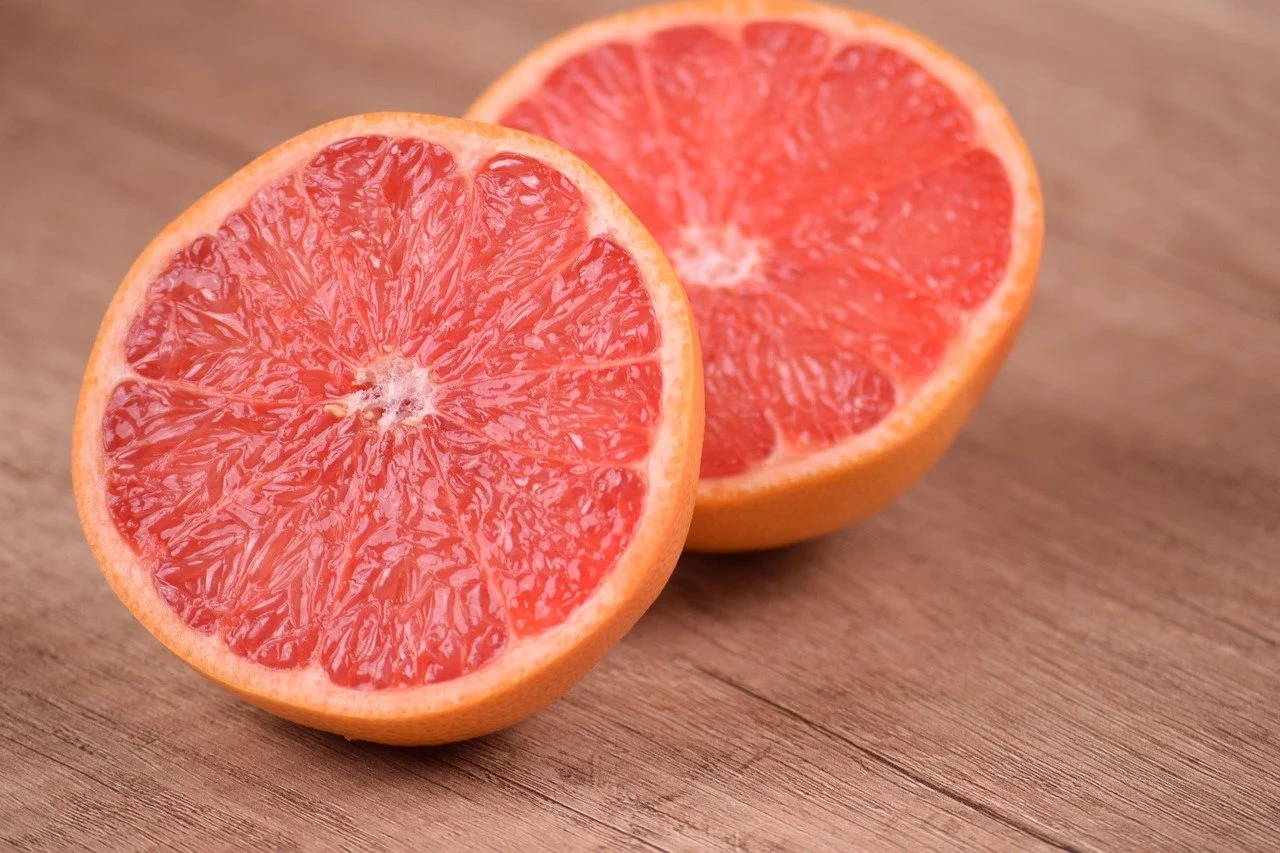
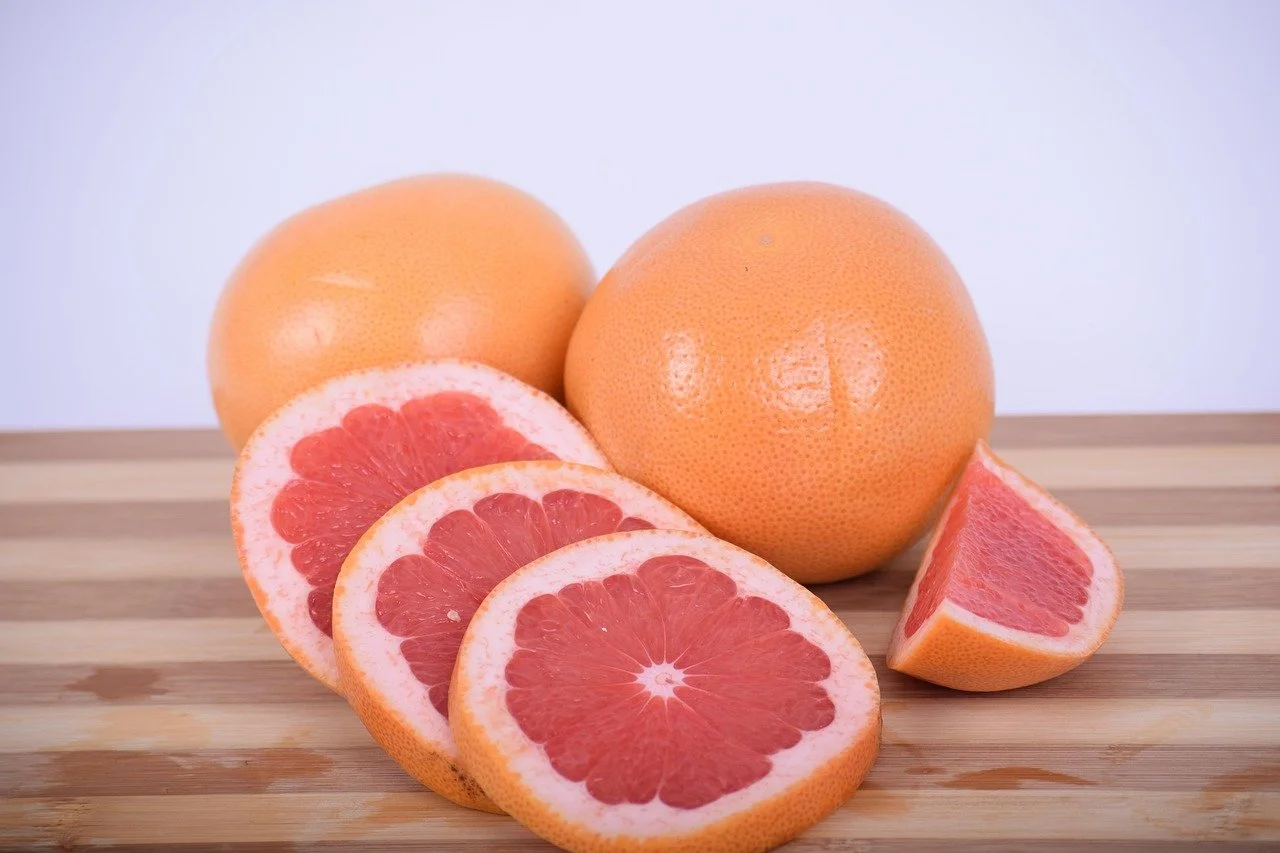
Red grapefruit is the most popular main variety sold in supermarkets today. Notable red varieties include Ruby Red, Rio Red, Star Ruby, and Flame. Ruby Red grapefruit was discovered in Texas in the 1920s and is considered the first red variety to gain major popularity. It has a deep pink to light red flesh and sweet taste. It has few seeds and is incredibly versatile. It can be used in cooking, added to cocktails, and makes a perfect snack when eaten fresh. Rio Red was developed from the Ruby Red strains and is one of the most widely planted varieties. It is a seedless variety that has a deep red flesh and is sweeter than Ruby Red. Just like Ruby Red, Rio Red is great for snacking, juicing, and cocktails. Star Ruby grapefruit has an intensely deep red flesh. It is a seedless variety that provides a sweet, but slightly tangy taste. It is excellent for eating fresh, fruit displays, and salads. Flame grapefruit has a red flesh and smooth, sweet taste. It contains few seeds and is commonly eaten fresh or used in juicing.
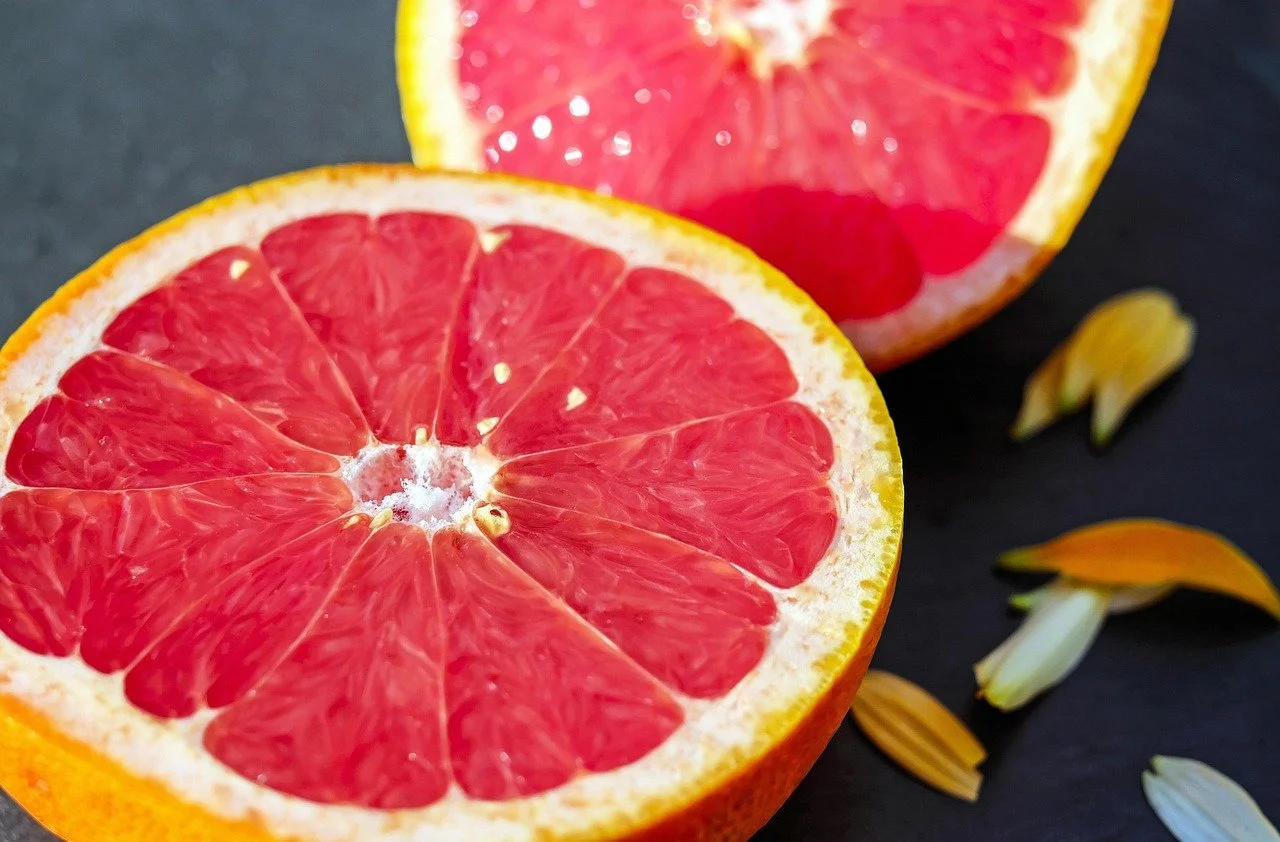
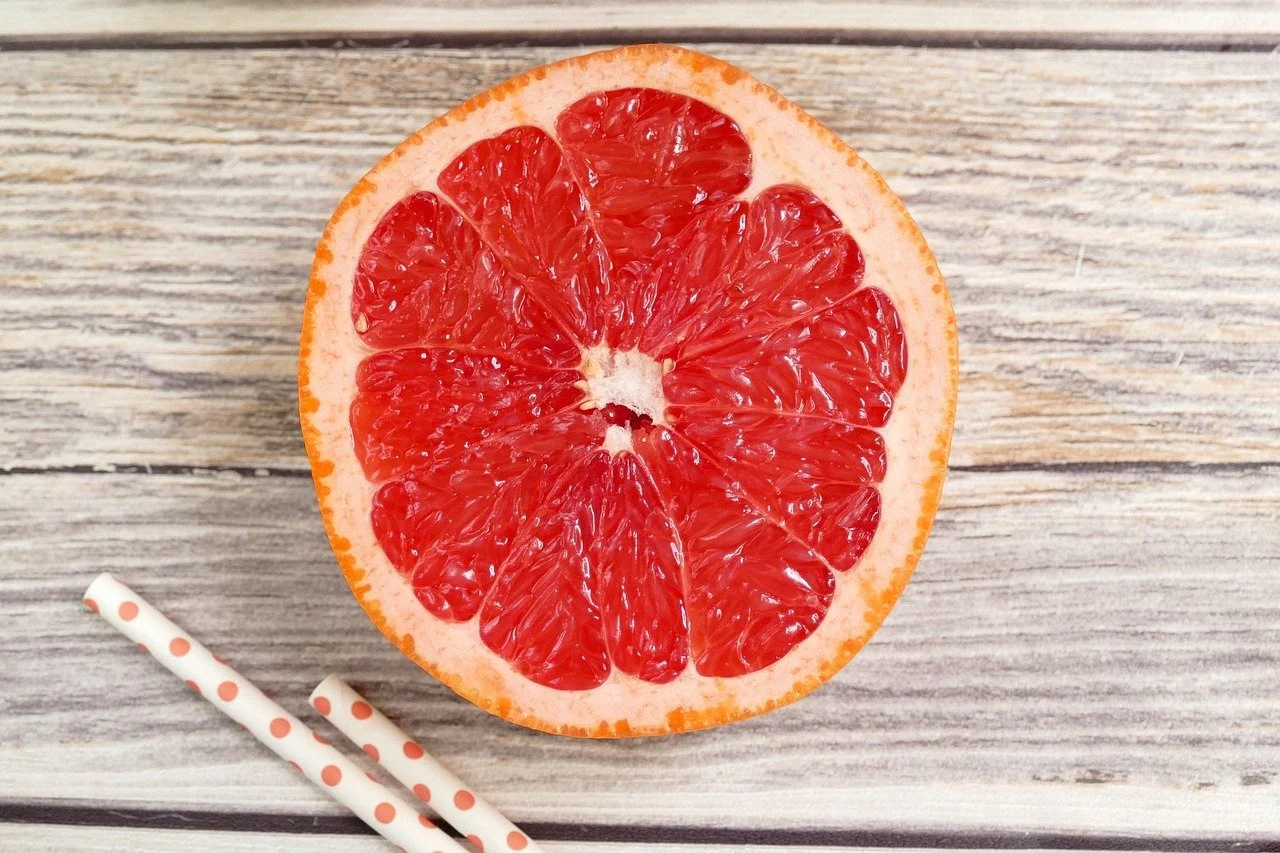
Grapefruit is an impressively diverse fruit ranging from intense bitter to balanced to sweet. White varieties typically make the best traditional grapefruit juice and spreads. Pink varieties are great for fruit salads and salsas, offering a balanced taste. Red varieties are perfect for eating fresh, desserts, and cocktails since they are quite sweet. Grapefruit can typically last for several weeks if stored properly in the refrigerator. With spring on its way, don’t be scared to try different varieties and hopefully you can find a favorite!