January is National Beet & Cauliflower Month!
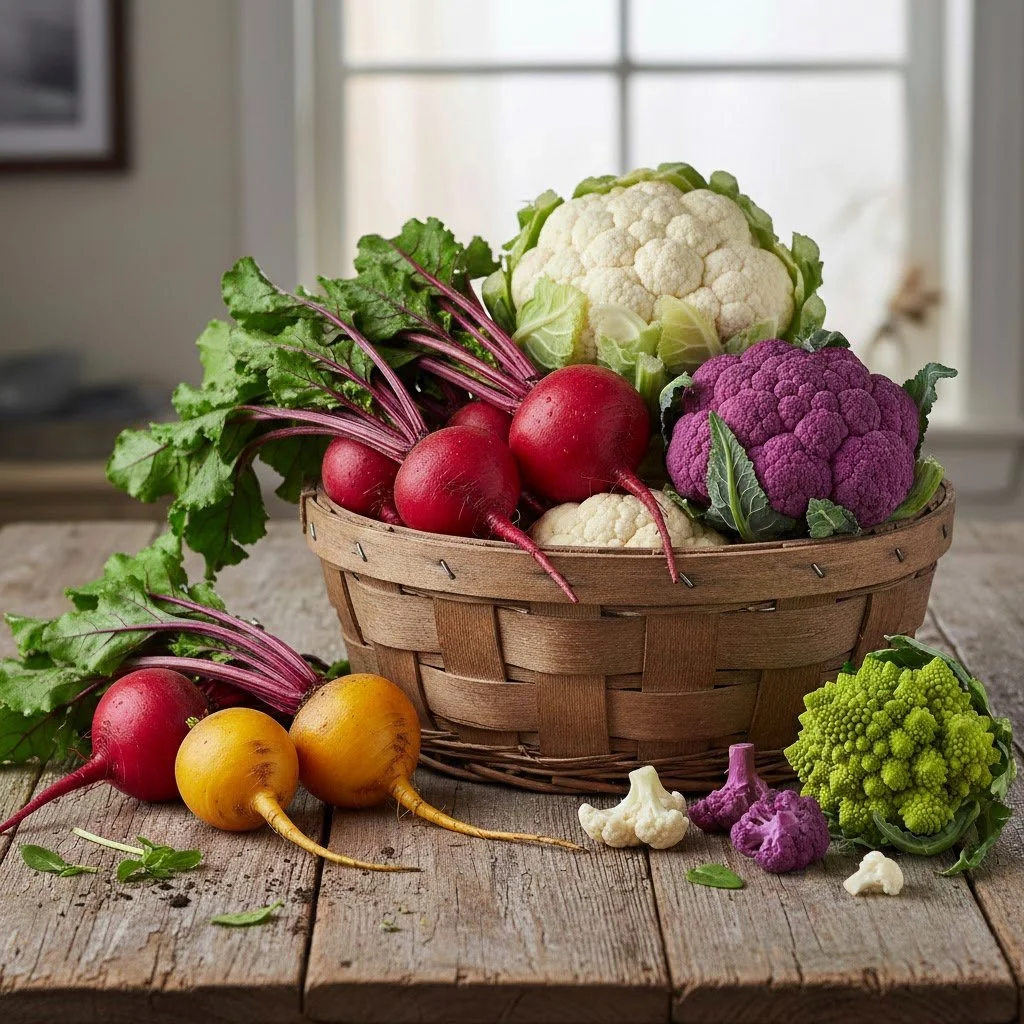
January highlights two, cool-season vegetables that deserve a spotlight! Both beets and cauliflower have been staple crops for centuries and are available year-round. Let’s dive in and unpack beets and cauliflower!
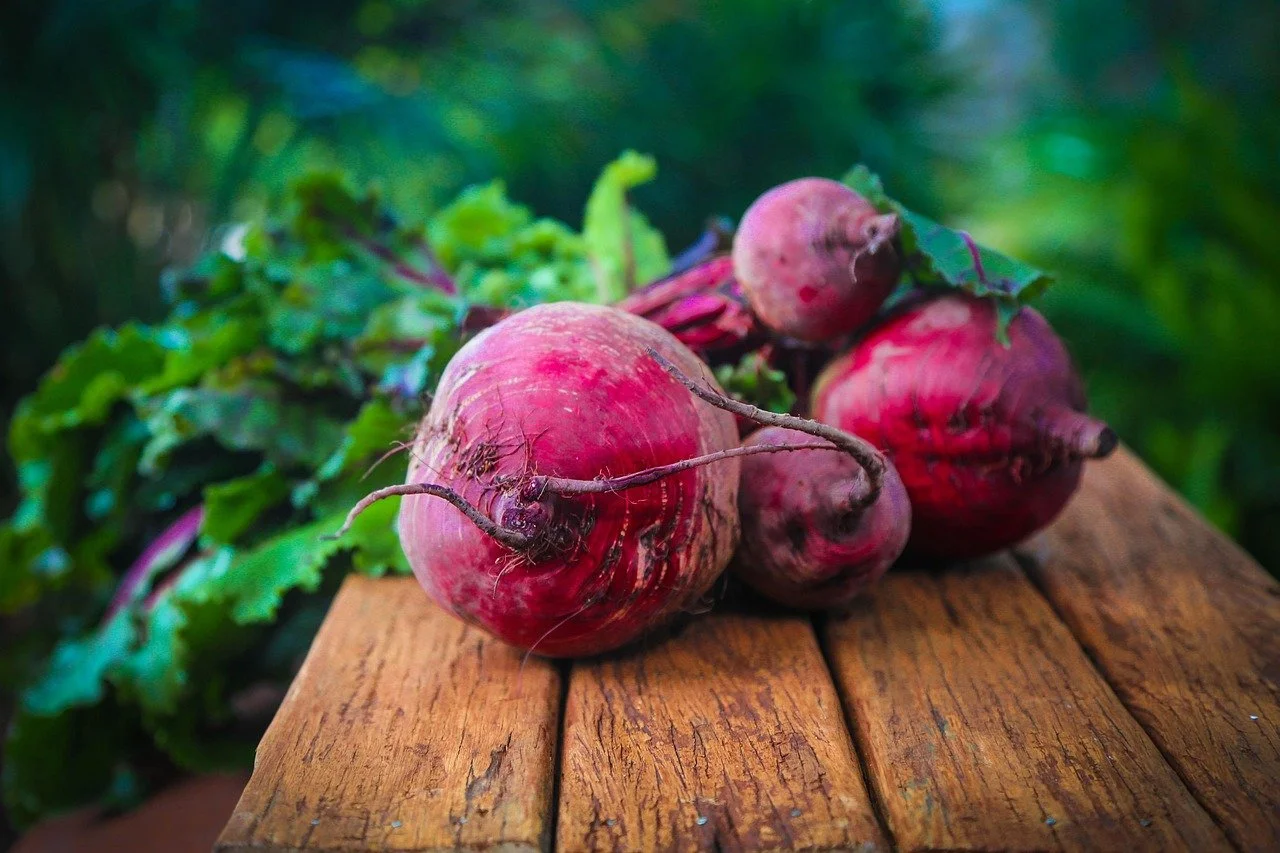
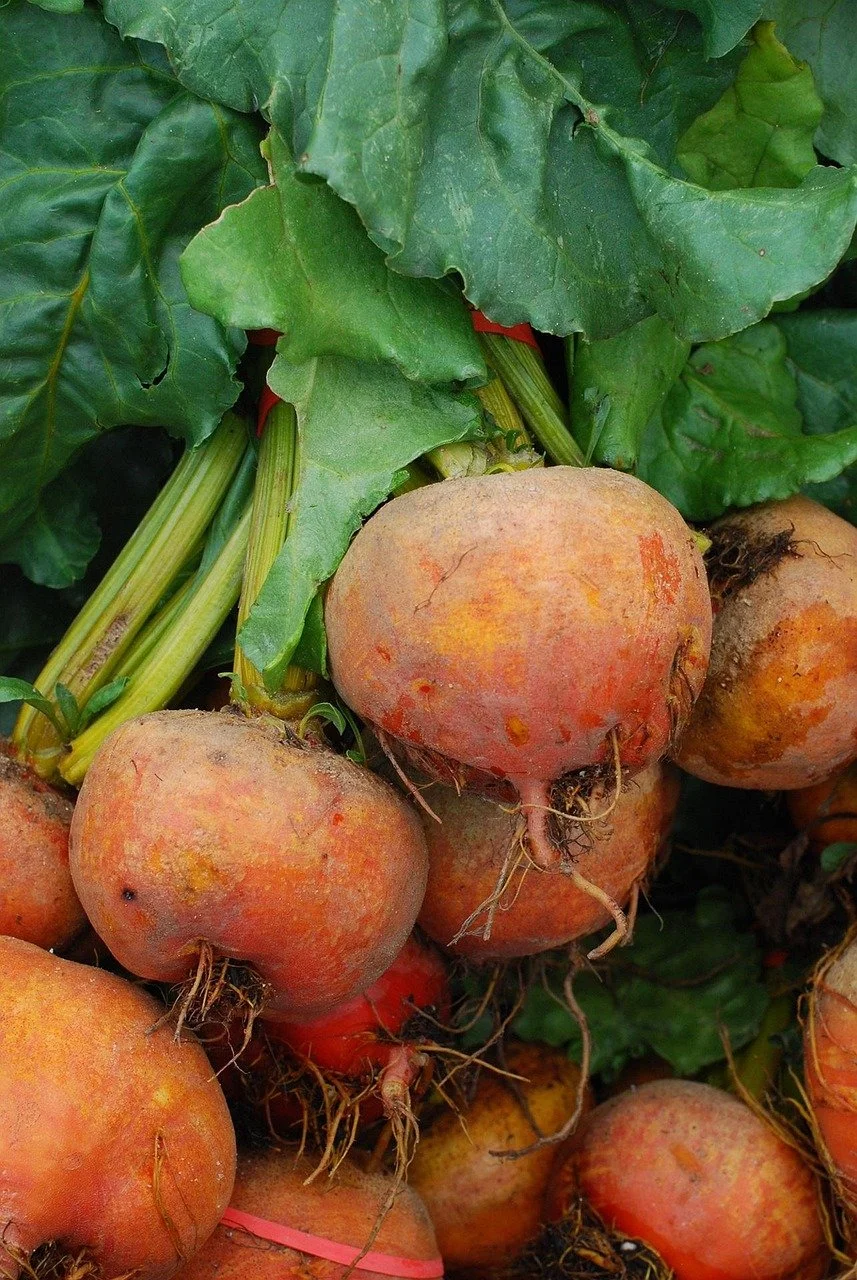
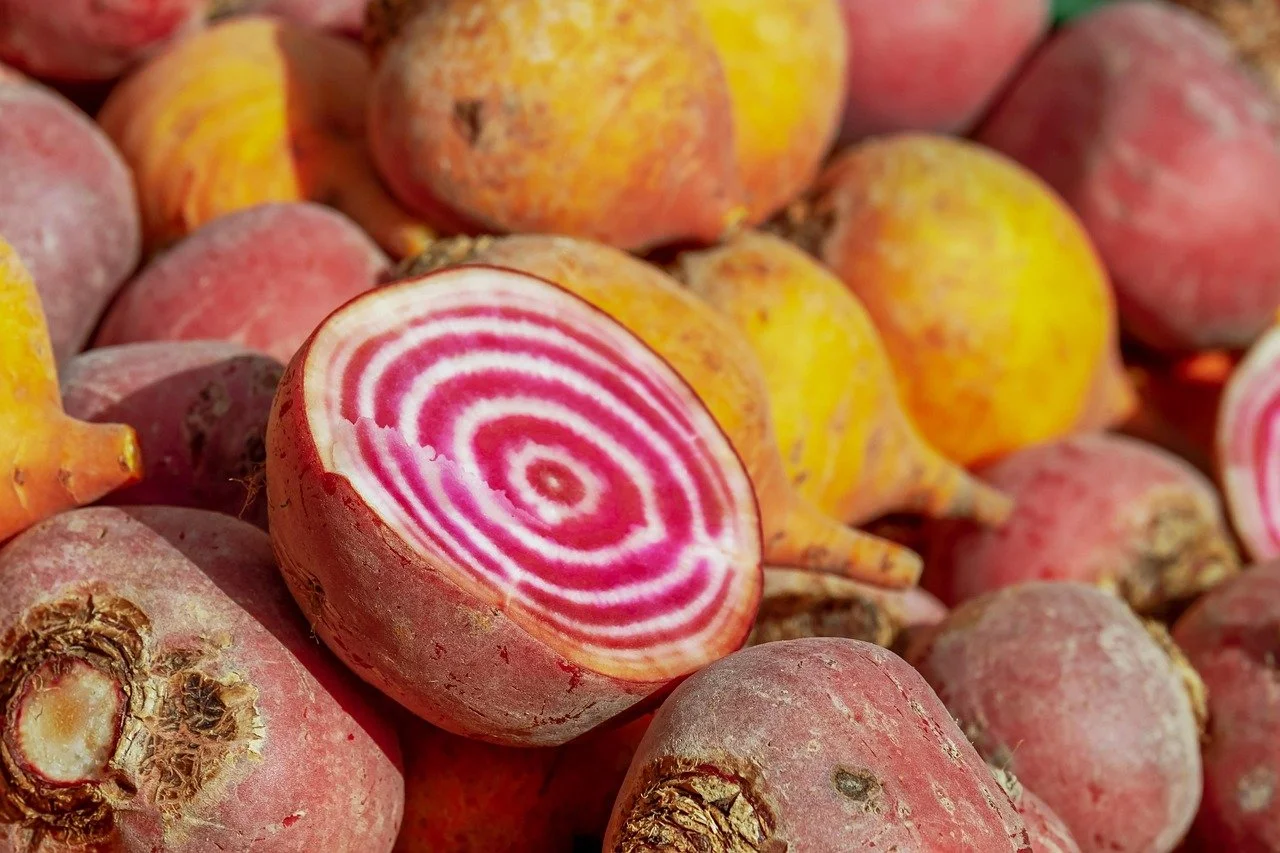
Beets are a root vegetable that thrive in cooler climates. The three most popular varieties are Red Beets, Golden Beets, and Chioggia Beets, also referred to as Candy-Stripe. Known for their striking reddish-purple color and globe-like shape, red beets are the most widely grown and recognizable variety. They have a somewhat sweet flavor, and are often chopped up and roasted in the oven, pickled, or simply eaten raw. Golden beets share similar characteristics to red beets, such as nutrients profiles, except they range in color from yellow to orange, so they do not “bleed” when the color is leaked. They typically have a mild flavor, making them a great choice for eating raw, like in salads. Chioggia beets, commonly known as Candy-Stripe beets, show red and white rings when sliced, but the color fades once cooked. They have a sweet, mild flavor and are generally eaten steamed or raw. Some lesser-known, but still common varieties include White Beets, Sugar Beets, and Baby Beets. Beets are an excellent vegetable to keep in your winter rotation, since they are full of vitamins.
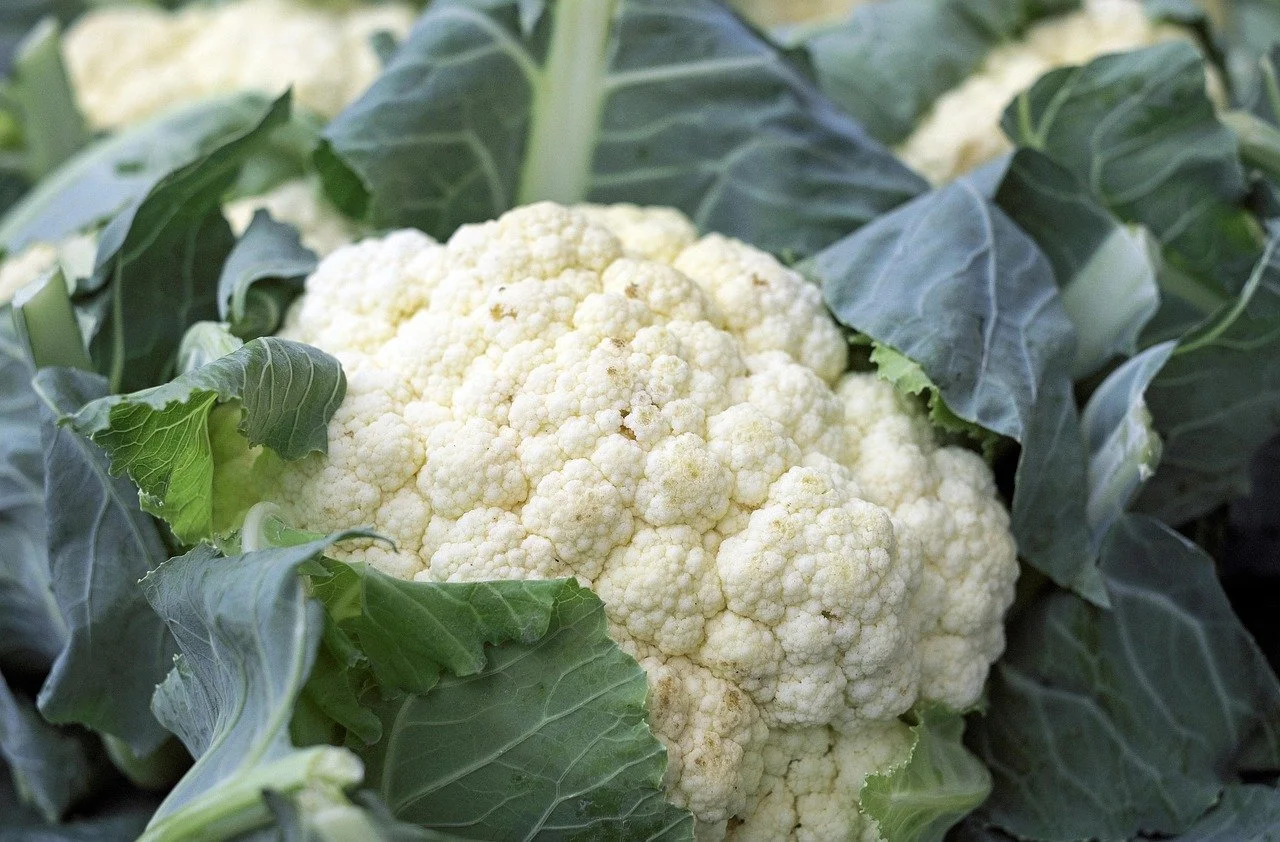
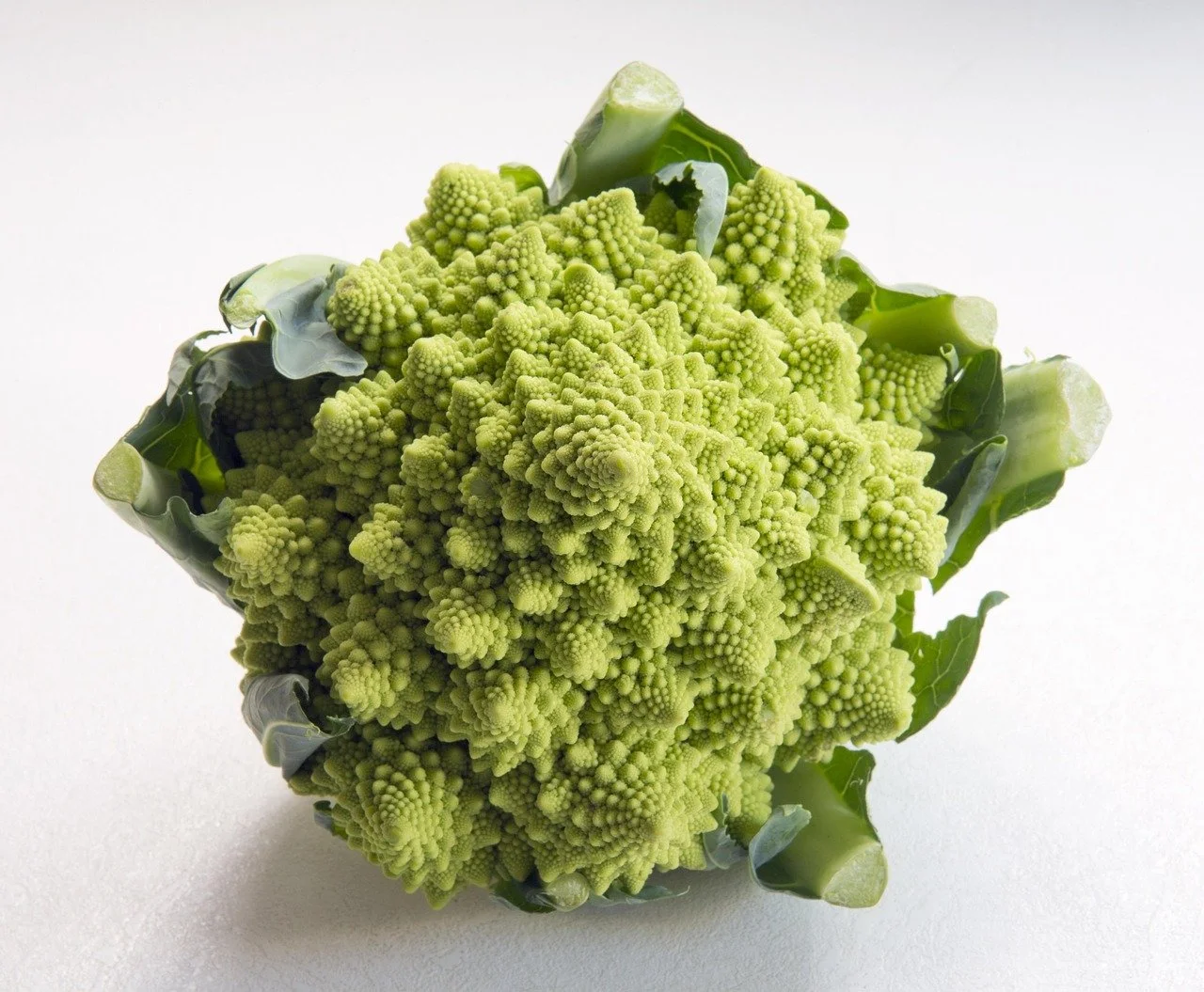
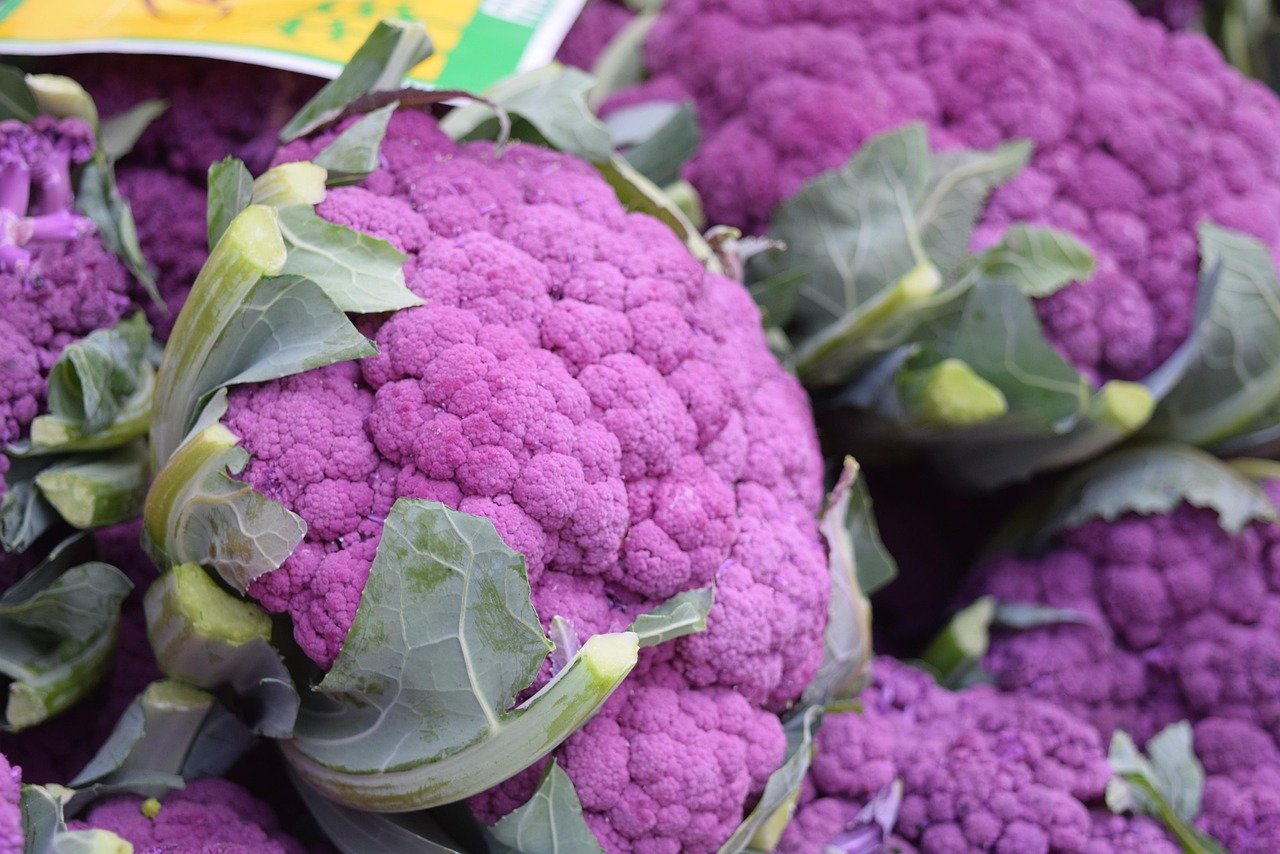
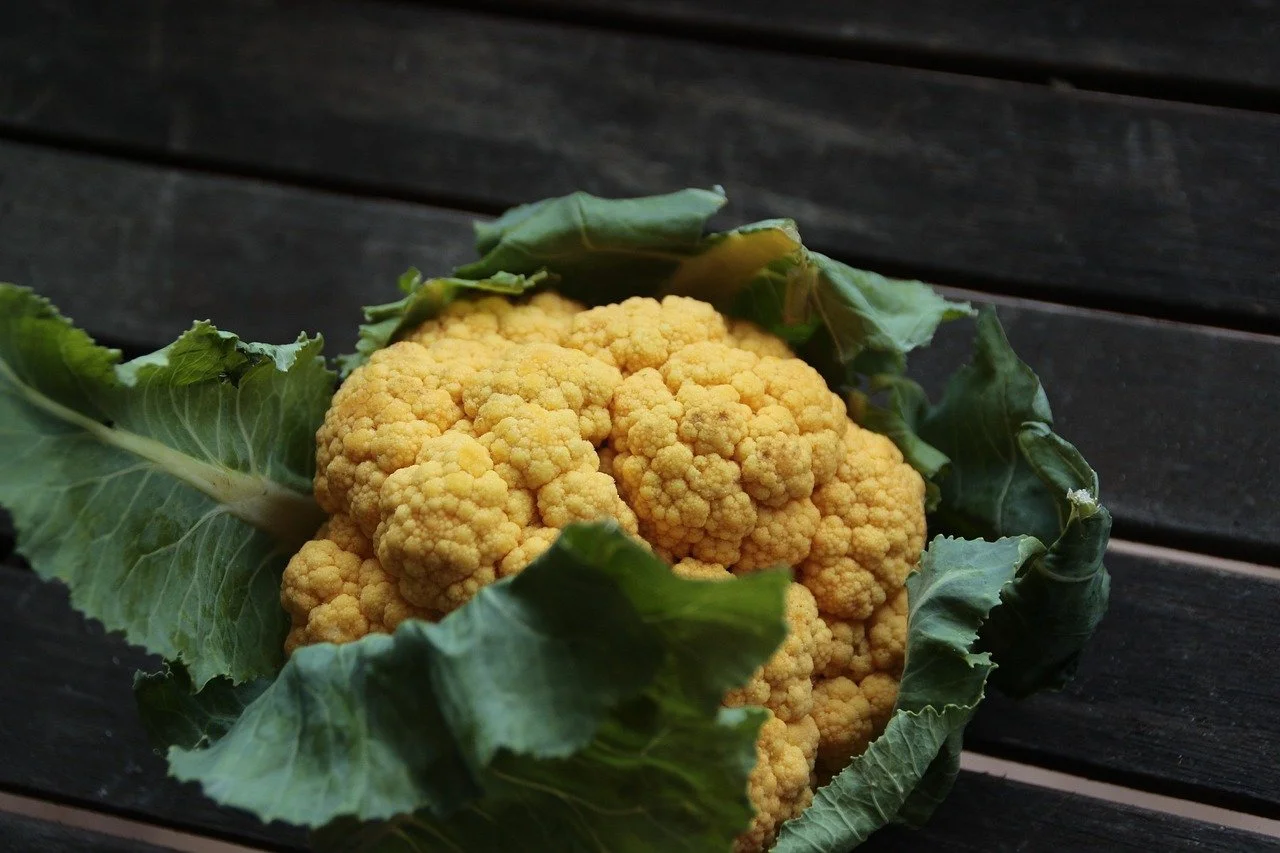
Cauliflower is a vegetable that grows from a stem that carries a head. This head contains dense, compact flower buds known as curds. Cauliflower thrives in cool climates just like beets, but is slightly more sensitive to the frost over prolonged periods of time. It is high in nutrients like fiber and vitamin C. Cauliflower is typically sorted by color and growing tendencies, rather than species type. The most popular varieties include White Cauliflower, Green Cauliflower, Purple Cauliflower, and Yellow-Orange Cauliflower, also referred to as Cheddar. White cauliflower is the most widely grown variety and is the standard found in grocery stores and culinary use. Their curds are an off-white color and produce a mild, slightly nutty taste. White Cauliflower is high in vitamins C and K, and is quite versatile, often cooked, roasted, or eaten raw. Green cauliflower is a hybrid of broccoli and cauliflower, which consists of heads with green-colored curds, with the most well-known form being Romanesco. The flavor in green cauliflower is generally stronger than that of white, and its texture is usually firmer. Green cauliflower can be cooked into stir-frys, steamed, and eaten countless other ways. Purple cauliflower contains vibrant curds ranging from lavender to deep purple. It has a similar taste and texture to white cauliflower, but loses its vibrancy when cooked. Purple cauliflower is typically roasted alongside white and green. Yellow-Orange cauliflower, commonly known as Cheddar, gets its name from its brightly colored yellow-orange or “cheddar” curds. When cooked, the color intensifies unlike the other varieties. It has a similar taste to white cauliflower, but is sometimes described as being sweeter. This cauliflower is often roasted and used in soups, sauces, and chowders.
The diversity in beets and cauliflower reflect their adaptivity to climates and how versatile a species can be. Red, golden, and striped beets come from the same species, but serve different culinary purposes. The different colors of cauliflower curds demonstrate the relationship between selective breeding and pigmentation. Make sure to add beets and cauliflower to your winter rotation!